Advancements in Non-Invasive Blood Glucose Monitoring Devices: Paving the Way for Diabetic Care of the Future

Diabetes mellitus is a chronic metabolic disorder affecting millions worldwide, and managing blood glucose levels is crucial for patients' overall health and well-being. Traditionally, individuals with diabetes have relied on invasive methods such as fingerstick testing to monitor their blood glucose levels. However, these methods can be painful, inconvenient, and sometimes lead to complications like skin irritation or infections. The quest for a non-invasive alternative to traditional blood glucose monitoring has been ongoing for decades, and recent advancements in technology have brought promising solutions that may revolutionize diabetic care of the future.
Non-invasive blood glucose monitoring devices aim to measure blood glucose levels without the need for finger pricking or blood sampling. These devices utilize innovative technologies that range from optical sensors and spectroscopy to wearable patches and contact lenses. Let's explore some of the groundbreaking advancements that are paving the way for diabetic care of the future.
- Optical Sensors: Optical sensors are at the forefront of non-invasive glucose monitoring. These sensors use light waves to detect changes in blood glucose levels. When light interacts with glucose molecules, it undergoes specific changes that can be measured and analyzed to estimate blood glucose concentrations. Devices like wristbands or smartwatches with embedded optical sensors have shown promising results in clinical trials, offering convenient and pain-free glucose monitoring for individuals with diabetes.
- Spectroscopy Techniques: Spectroscopy-based devices analyze the interaction of light with body tissues to measure glucose levels. Near-infrared spectroscopy (NIRS) and Raman spectroscopy are two prominent techniques being explored. NIRS devices send near-infrared light into the skin, and the reflected light carries information about glucose levels. Similarly, Raman spectroscopy analyzes the scattering of light to estimate glucose concentrations. These non-invasive methods are expected to provide accurate glucose readings and reduce the need for traditional blood tests.
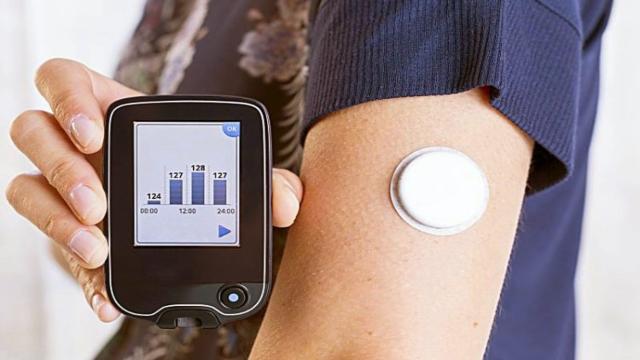
- Wearable Continuous Glucose Monitors (CGMs): Wearable CGMs are becoming increasingly popular among individuals with diabetes. These devices are worn on the skin and continuously measure glucose levels through a tiny sensor inserted beneath the skin surface. Some wearable CGMs offer readings in real-time, allowing users to track their glucose levels throughout the day and receive alerts for potential highs or lows. These devices offer a more comprehensive picture of glucose fluctuations, empowering patients to make informed decisions about their diet, medication, and lifestyle choices.
- Contact Lens Glucose Monitoring: An exciting innovation in non-invasive glucose monitoring is the development of contact lenses that can detect glucose levels in tears. These smart lenses are equipped with miniature sensors and wireless technology to transmit glucose data to a paired device. Although still in the early stages of development, contact lens glucose monitoring holds immense potential for unobtrusive and continuous glucose tracking.
- Saliva-Based Devices: Researchers have been exploring the use of saliva as a non-invasive medium to measure blood glucose levels. Saliva contains numerous biomarkers, including glucose, which can be analyzed using biosensors or microfluidic technology. Saliva-based glucose monitoring could offer a convenient and painless approach for diabetic patients, especially for those who may have difficulties with other monitoring methods.
- Smartphone Apps and Artificial Intelligence: The widespread use of smartphones has opened up new possibilities for non-invasive glucose monitoring. Smartphone apps, combined with artificial intelligence algorithms, can leverage various data inputs, such as food intake, physical activity, and even voice patterns, to estimate glucose levels. These apps aim to provide personalized and continuous monitoring, helping individuals manage their diabetes more effectively.
While non-invasive blood glucose monitoring devices show great promise, their development and adoption come with challenges. Ensuring accuracy and reliability in glucose measurements remains a key concern. Regulatory approval and the need for extensive clinical trials add to the time and resources required for bringing these devices to market. Nonetheless, the ongoing advancements in this field offer hope for a future where individuals with diabetes can manage their condition seamlessly and comfortably, promoting better adherence to treatment plans and improved overall health outcomes.
In conclusion, the landscape of diabetes care is rapidly evolving with advancements in non-invasive blood glucose monitoring devices. From optical sensors and spectroscopy techniques to wearable CGMs and contact lenses, these innovative technologies hold the potential to transform the way diabetes is managed. As research and development continue, it is likely that we will witness a revolution in diabetic care, making life easier and healthier for millions of people living with diabetes around the world.