Advancements in Automated Sample Storage Systems for Biobanking: Enhancing Efficiency and Reliability

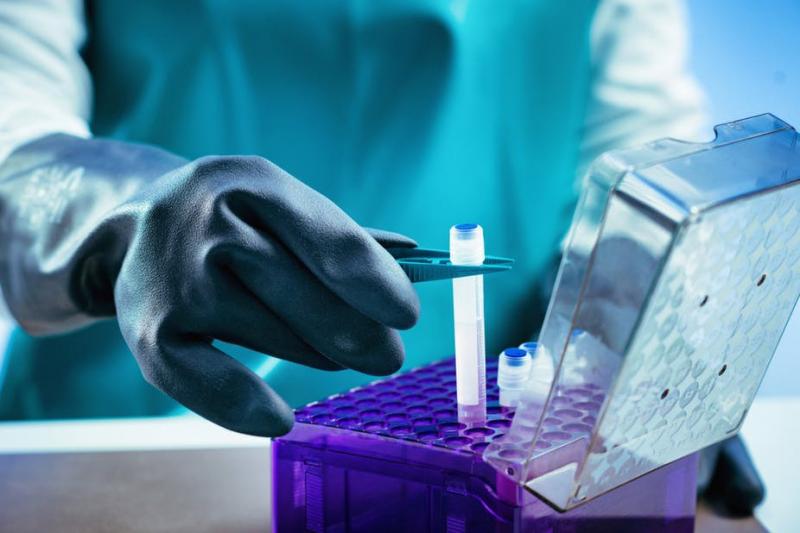
In the field of biobanking, the preservation and management of biological samples are of paramount importance for advancing scientific research and medical breakthroughs. Traditional methods of sample storage, often reliant on manual handling, are not only labor-intensive but also prone to human errors that could compromise sample integrity. However, in recent years, there have been remarkable advancements in automated sample storage systems that are revolutionizing biobanking by enhancing efficiency and reliability.
Automated sample storage systems combine cutting-edge robotics, sophisticated software, and state-of-the-art preservation techniques to create a seamless and efficient process for storing and retrieving biological samples. These systems are designed to address the challenges faced by traditional biobanking methods, such as sample degradation, misplacement, and inadequate traceability. By embracing automation, researchers and biobank managers can mitigate these issues and unlock new possibilities in research and medical applications.
One of the key advantages of automated sample storage systems is their ability to minimize human intervention. With these systems, samples are tracked, stored, and retrieved using advanced robotic arms and precision handling mechanisms. This reduces the chances of contamination, degradation, and mislabeling that can occur during manual handling. Automated systems also enhance traceability by maintaining a digital record of each sample's location, temperature, and storage duration, ensuring the highest level of data integrity.
Efficiency is another paramount benefit of these advancements. Traditional biobanking methods can be time-consuming, requiring manual searching, handling, and cataloging of samples. Automated systems streamline these processes by using barcode or RFID technology to identify and sort samples accurately. This not only saves time but also minimizes the risk of errors, making it easier to access specific samples when needed. Additionally, these systems can operate 24/7, ensuring continuous sample management without interruptions.
Reliability is at the core of automated sample storage systems. Many of these systems are equipped with temperature and humidity control features that maintain optimal storage conditions for various types of samples, from DNA and RNA to tissue samples and cell cultures. This precise control helps to prevent degradation and ensures the longevity of samples over extended periods. Furthermore, automated systems incorporate fail-safe mechanisms and redundancy, reducing the likelihood of system failures that could compromise the integrity of the stored samples.
In research, the advancements in automated sample storage systems are enabling scientists to embark on studies that were previously unfeasible due to limitations in sample management. Longitudinal studies involving large sample sizes, for instance, can now be executed efficiently and accurately, facilitating insights into disease progression, treatment efficacy, and more. Pharmaceutical companies can also benefit from these systems by expediting drug discovery and development processes.
In conclusion, the advancements in automated sample storage systems are reshaping the landscape of biobanking by enhancing efficiency and reliability. These systems are revolutionizing the way biological samples are stored, managed, and utilized, offering researchers and biobank managers a higher level of confidence in sample integrity and accessibility. As automation technology continues to evolve, the potential for further innovations in biobanking and scientific research is boundless, promising a future of accelerated discoveries and improved healthcare outcomes.