Acute Kidney Injury Treatment: Empowering the Kidneys to Heal

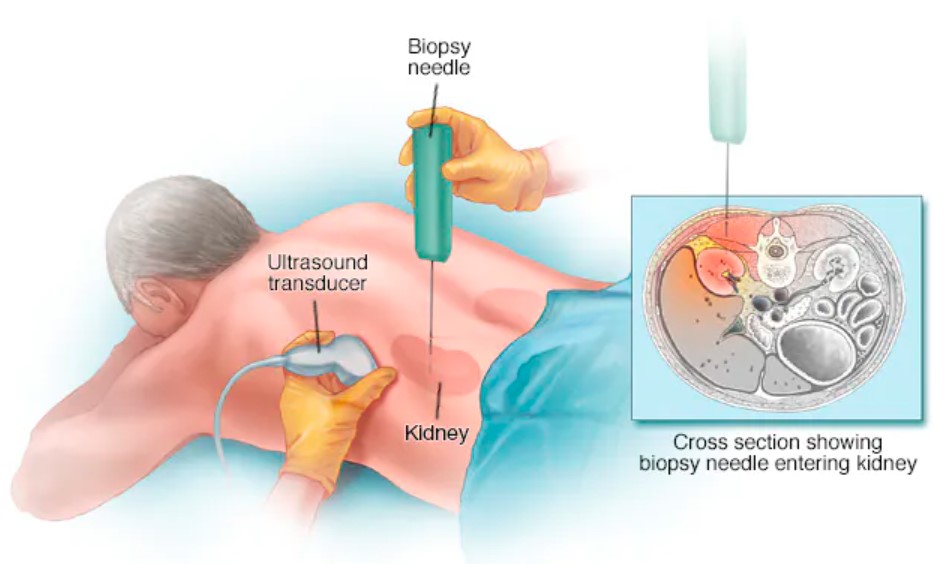
Introduction: Acute Kidney Injury (AKI) is a sudden and severe condition that requires prompt medical attention and proper treatment. In this blog, we will explore the essential aspects of AKI treatment, focusing on empowering the kidneys to heal and regain their functionality. Let's delve into the causes, symptoms, and the latest treatment options available for managing AKI effectively.
Understanding Acute Kidney Injury: AKI is a critical condition in which the kidneys abruptly lose their ability to filter waste products and excess fluids from the blood, resulting in a buildup of harmful substances in the body. The condition can be caused by various factors, including dehydration, infection, reduced blood flow to the kidneys, or exposure to certain medications or toxins.
Early Detection Saves Lives: Timely diagnosis of Acute Kidney injury treatment plays a crucial role in improving treatment outcomes. Healthcare providers must be vigilant in identifying AKI risk factors, such as advanced age, chronic kidney disease, diabetes, and high blood pressure. Routine monitoring of kidney function in high-risk individuals can help detect AKI in its early stages, enabling swift intervention.
Bold Interventions for AKI Treatment:
-
Fluid and Electrolyte Balance: Maintaining proper fluid and electrolyte balance is essential for AKI patients. Intravenous fluids may be administered to restore fluid levels and support kidney function.
-
Medication Review: Certain medications can worsen kidney function or cause AKI. Healthcare professionals carefully evaluate a patient's drug regimen, adjusting or discontinuing medications as needed to avoid further harm to the kidneys.
-
Diuretics: Diuretics are commonly used to help the kidneys eliminate excess fluid and reduce edema in AKI patients. However, their use should be closely monitored to prevent potential complications.
-
Nutrition and Diet: A balanced and kidney-friendly diet is crucial for AKI patients. Reducing protein intake and avoiding foods high in potassium and phosphorus can ease the burden on the kidneys.
-
Dialysis: In severe cases, when the kidneys are unable to function adequately, dialysis may be necessary to remove waste products and excess fluids from the blood.
Innovations in AKI Treatment: Medical advancements have paved the way for innovative approaches to AKI treatment, enhancing patient outcomes and recovery rates.
-
Biomarkers for Early Detection: Researchers have identified specific biomarkers that can help predict AKI development even before symptoms manifest. Early detection using these biomarkers allows for timely intervention and better chances of recovery.
-
Stem Cell Therapy: Emerging studies explore the use of stem cells to promote kidney repair and regeneration. Stem cell-based therapies hold promise for restoring damaged kidney tissues and improving long-term kidney function.
-
Precision Medicine: Tailoring AKI treatment based on an individual's genetic makeup and response to medications enhances treatment efficacy and minimizes adverse reactions.
Preventing AKI Recurrence: Once a patient recovers from AKI, preventing its recurrence becomes crucial. Adopting a healthy lifestyle, managing underlying health conditions, and regular follow-ups with healthcare providers can significantly reduce the risk of AKI relapse.
Conclusion: Acute Kidney Injury demands immediate attention and appropriate treatment to safeguard patients' health and wellbeing. By staying informed about the latest treatment options and medical innovations, we can work together to support those affected by AKI and promote kidney health. Remember, early detection, bold interventions, and ongoing preventive measures are key to enhancing AKI recovery and ensuring renal wellness for all.