Multiple Myeloma has Become a Treatable Disease
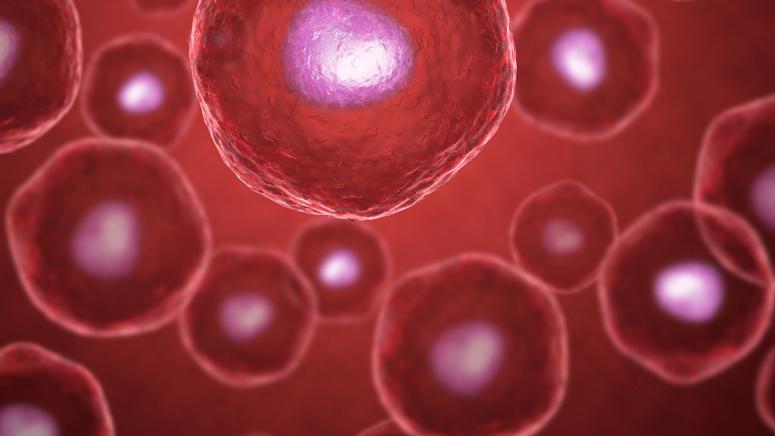
With the advancements of medical science, we have come across umbilical cord blood stem cell transplantation. We all know that there are various benefits of cord blood banking such as cord blood stem cells are efficient in treating various diseases. However, for stem cell transplantation has been recently discovered there are a number of risks associated with it and doctors are still working on making this transplantation safer and more efficient.
A group of researchers along with Jean Roy, a hematologist at the University of Montreal in Canada are doing researches to reduce the risks occurring with stem cell transplantation. They basically studied the risks of stem cell transplantation in treating multiple myeloma. Before going deep into that, let us first understand about multiple myeloma and possible risks associated with it.
Multiple Myeloma:
It is basically a type of cancer that attacks plasma cells (a type of white blood cell). These plasma cells make antibodies which further help the body to fight against a number of infections. Cancer cells in multiple myeloma accumulate in the bone marrow and crowd healthy cells. These cancer cells affect plasma cells and start to produce abnormal proteins which result in multiple complications.
Symptoms of multiple myeloma:
It may vary from person to person at an early stage.
Pain in the bone
Loss of appetite
Weight loss
Feeling excess thirsty
These are the common symptoms that may cause some complications:
Reduces the body’s ability to fight with infections.
The occurrence of pain in the bone, thinning of bones and breakage.
Kidney dysfunction may lead to kidney failure
Anemia
Risks associated with stem cell therapy
There are a number of risks associated with the treatment of multiple myeloma through stem cell therapy. It may cause GvHD or complications in the immune system and relapses to the patient.
Reducing the risks:
Doctors are studying on the use of the new molecule, UM171 for cord blood stem cell transplantation. Since the immune system of the newborn baby is still immature, the umbilical cord stem cells may have a few adverse effects. Hence, Roy emphasizes on using cord blood stem cells because it has lesser immune complications.
The umbilical cord blood stem cells are also known for their anti-cancer effect. The doctors found that a limited amount of stem cells from the umbilical cord blood was the major reason behind the hindrance in treating adults with multiple myeloma but the use of UM171 molecule has made the treatment possible for adult patients.
UM171 basically increases the number of stem cells in umbilical cord blood hence making the treatment possible. Doctors from the University of Montreal found that it increased the number of stem cells in umbilical cord blood by 30 times which acted as a boon for adult patients. 22 patients at the University of Montreal showed improvement in their condition.
According to Roy’s study, the new molecule will be used to grow the cord blood in the lab which will then be reintroduced in the body of the patient. The team of Dr. Roy has made an expectation that this method will reduce the risks associated with the treatment.
If these assumptions came to be true stem cell therapy will get benefits of cord blood banking and can become an effective treatment option to treat myeloma patients.