Flexible Packaging: Embracing Sustainable Solutions for a Greener Future

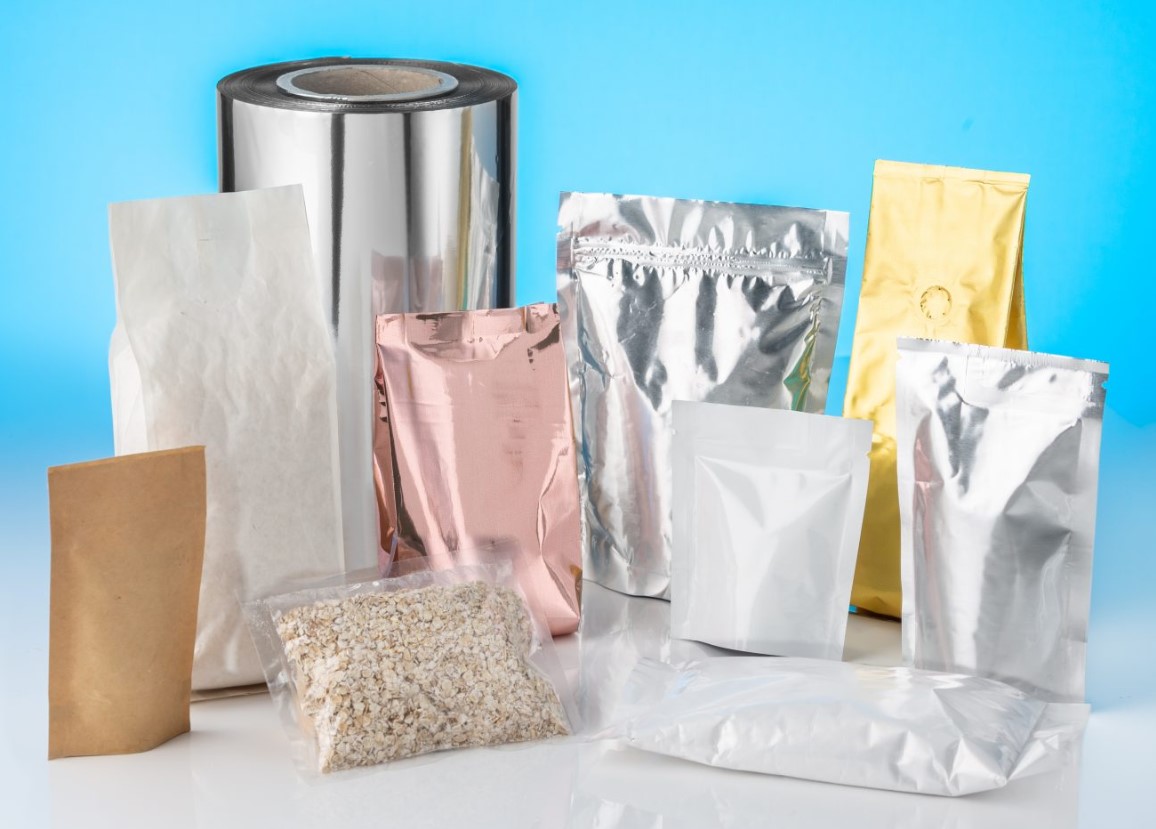
Flexible Packaging: The Versatile Solution for Modern Packaging Needs
Flexible packaging has emerged as a game-changing solution in the world of modern packaging. With its adaptability and versatility, it has revolutionized the way products are stored, protected, and presented to consumers. In this article, we will delve into the various aspects of flexible packaging, exploring its benefits, applications, and impact on sustainability.
What is Flexible Packaging?
Flexible packaging refers to a type of packaging that is made from flexible materials such as plastic, aluminum foil, paper, or a combination of these materials. Unlike traditional rigid packaging, such as glass or metal containers, flexible packaging can be easily manipulated, folded, or shaped to fit the product's form. It ranges from pouches, bags, and wraps to laminated films and stand-up pouches.
Benefits of Flexible Packaging
-
Lightweight and Space-Saving: Flexible packaging is considerably lighter than rigid alternatives, reducing transportation costs and minimizing the amount of space required for storage. This makes it an ideal choice for both manufacturers and consumers, as it reduces overall packaging waste.
-
Product Freshness and Shelf Life: Flexible packaging often includes barrier properties that protect the contents from oxygen, moisture, and other external factors. This enhances the shelf life of perishable goods like food, pharmaceuticals, and cosmetics, ensuring they reach consumers in optimal condition.
-
Convenience and Portability: The flexible nature of the packaging allows for easy dispensing and handling. Consumers appreciate the convenience of resealable features, spouts, and tear notches that make products easy to open, use, and carry on the go.
-
Design and Branding Opportunities: Flexible packaging offers ample space for creative branding and eye-catching designs. Manufacturers can leverage various printing techniques to enhance the visual appeal of their products and stand out on the shelves.
Applications of Flexible Packaging
The adaptability of flexible packaging has enabled its widespread adoption across various industries:
-
Food Industry: From snacks, beverages, and frozen foods to pet treats, flexible packaging dominates the food industry. It preserves the freshness of edibles and facilitates portion control.
-
Pharmaceutical Industry: Medicines and medical devices benefit from flexible packaging's ability to provide tamper-evident seals and protect against external contaminants.
-
Personal Care and Cosmetics: The beauty industry embraces flexible packaging for lotions, shampoos, and creams, allowing easy dispensing and attractive presentation.
-
Electronics and Technology: Products like batteries, cables, and small gadgets are often packaged using flexible materials, ensuring their safety during transit.
Sustainability and Flexible Packaging
Sustainability is a critical concern in the packaging industry, and flexible packaging has stepped up to address this challenge. The lightweight nature of flexible packaging significantly reduces carbon emissions during transportation. Moreover, advancements in material science have led to the development of eco-friendly and recyclable flexible packaging options.
In conclusion, flexible packaging has emerged as a versatile and eco-friendly alternative to traditional packaging methods. Its numerous benefits, including convenience, product freshness, and design opportunities, make it a favorite choice for businesses and consumers alike. As technology and innovation continue to improve, flexible packaging is likely to become even more sustainable, cost-effective, and visually appealing, ensuring it remains a prominent player in the packaging industry.