Contract Packaging: Maximizing Efficiency and Quality in Product Distribution

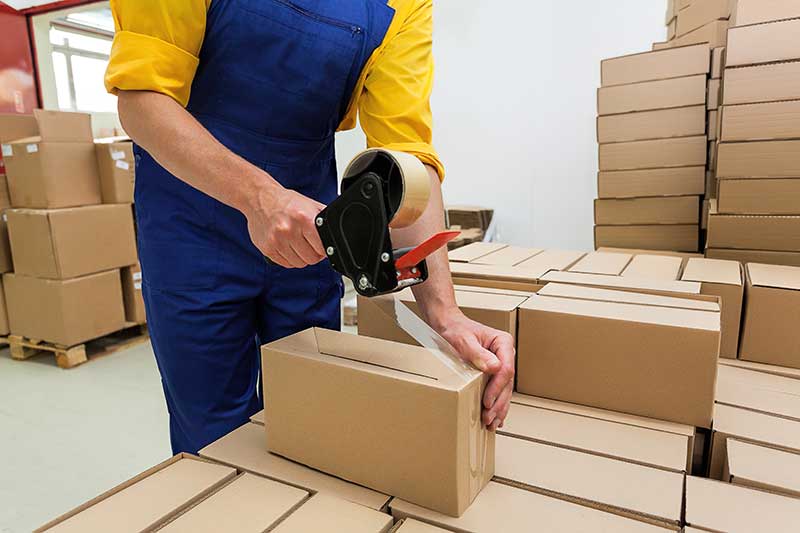
Contract packaging, also known as co-packing, is a business arrangement where a company outsources its packaging tasks to a specialized external service provider. These providers, equipped with state-of-the-art facilities and skilled workforce, take charge of the entire packaging process, from design and assembly to labeling and distribution. The practice has gained significant traction across industries due to its potential to improve supply chain efficiencies and reduce operational costs.
The Advantages of Contract Packaging
-
Focus on Core Competencies: Contract packaging allows companies to concentrate on their core activities, such as research, development, and marketing, without getting bogged down by intricate packaging processes. This streamlining of tasks leads to increased productivity and enhanced overall performance.
-
Cost Savings: By outsourcing packaging requirements, businesses can reduce capital investment in expensive machinery and storage facilities. Contract packaging companies often have established relationships with packaging material suppliers, enabling them to negotiate bulk discounts, further reducing costs for the client.
-
Flexibility and Scalability: Contract packagers can adapt quickly to fluctuating demand, providing scalable solutions that match a company's production requirements. This flexibility is particularly valuable in industries with seasonal or unpredictable product demand.
-
Expertise and Innovation: Contract packaging providers are experts in their field, well-versed in the latest industry trends, materials, and technologies. Leveraging their expertise can result in innovative and eye-catching packaging designs that attract consumers and elevate brand recognition.
-
Quality Assurance: Reputable contract packaging companies adhere to strict quality control measures to ensure that products are packaged accurately, securely, and in compliance with industry regulations.
Key Considerations for Contract Packaging
While contract packaging offers numerous benefits, companies must make informed decisions when selecting a suitable partner. Consider the following factors:
-
Experience and Track Record: Assess the potential co-packer's experience, reputation, and track record in the industry. Client testimonials and case studies can provide valuable insights.
-
Capabilities and Technology: Evaluate the packaging company's infrastructure, technological capabilities, and capacity to handle your specific product requirements.
-
Quality Control and Compliance: Ensure that the contract packager follows industry standards and compliance regulations, especially if your products have special handling or safety requirements.
-
Communication and Transparency: Open communication and transparency are crucial for a successful partnership. Look for a contract packager that values clear communication and responsiveness.
Conclusion
Contract packaging has emerged as a strategic solution for companies seeking to optimize their supply chain, reduce costs, and maintain a competitive edge in the market. By entrusting packaging tasks to specialized external providers, businesses can focus on their core strengths while benefiting from the expertise, efficiency, and scalability of professional packaging services. When choosing a contract packaging partner, careful consideration of their experience, capabilities, and commitment to quality will ensure a successful and rewarding collaboration. With the right contract packaging provider, companies can streamline their product distribution and maximize efficiency, setting the stage for continued growth and success.