Board Packaging: The Art of Protecting Products with Eco-Friendly Solutions

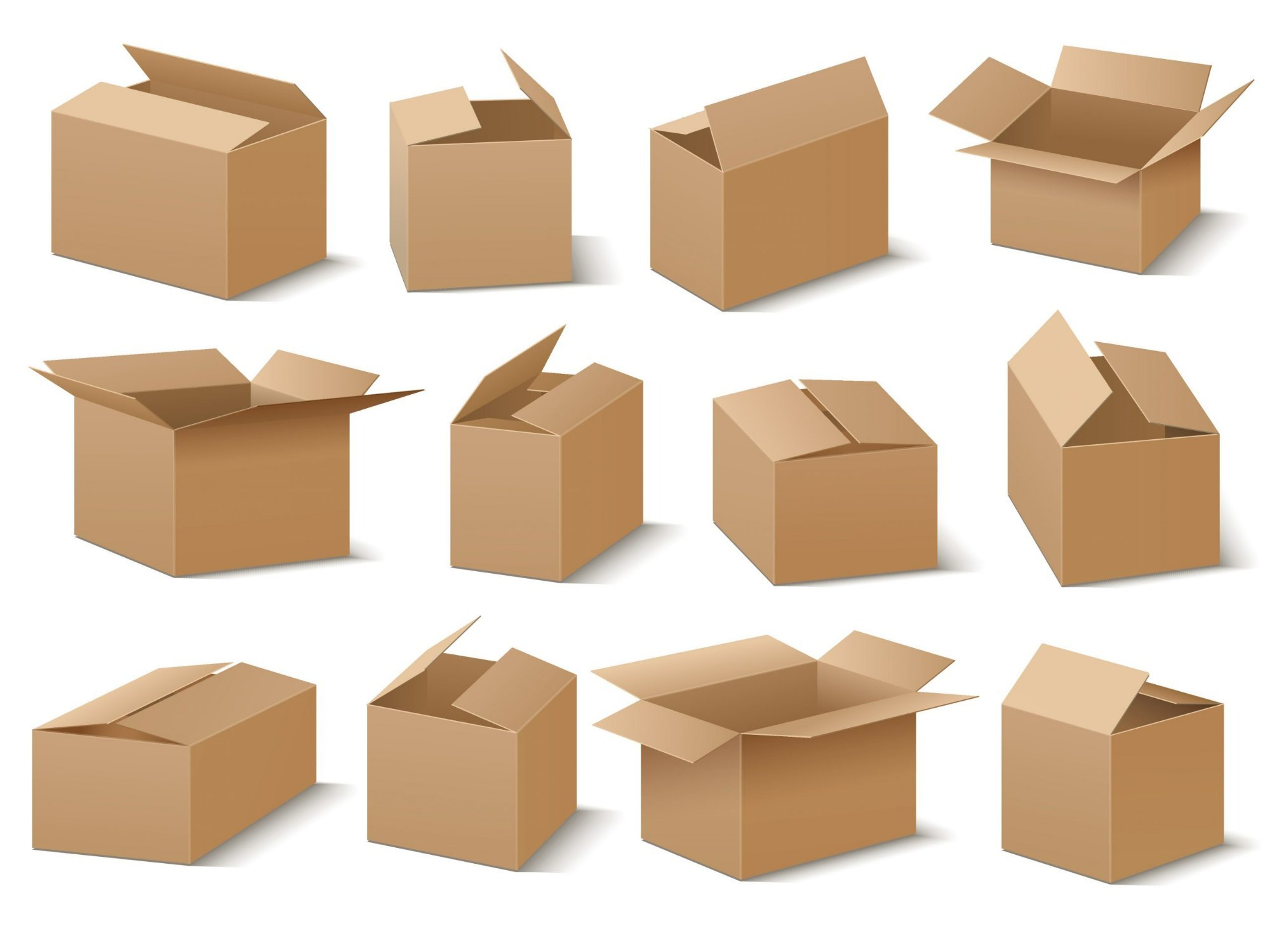
Board packaging, also known as cardboard or paperboard packaging, is a widely used and versatile form of packaging material that plays a crucial role in protecting and preserving various products during storage, transportation, and distribution. It is made from wood pulp and is a sustainable alternative to plastic or foam packaging. Board packaging has gained popularity due to its eco-friendly nature, recyclability, and ease of customization.
Key Characteristics of Board Packaging
Board packaging comes in various types and grades, each with unique characteristics tailored to specific product requirements. The primary types include corrugated cardboard, paperboard cartons, and folding cartons. Corrugated cardboard is made of three layers - an inner wavy layer (corrugated medium) sandwiched between two flat layers (linerboards). This structure gives it exceptional strength and durability. Paperboard cartons, on the other hand, are thinner and smoother, making them ideal for lightweight products. Folding cartons are generally used for retail packaging and are known for their attractive designs and easy foldability.
Advantages of Board Packaging
Eco-Friendly: Board packaging is biodegradable and recyclable, making it an environmentally responsible choice. It helps reduce the overall carbon footprint and supports sustainable packaging initiatives.
Versatility: Board packaging is suitable for a wide range of products, from delicate electronics to heavy machinery. Its ability to withstand different environmental conditions makes it an ideal choice for diverse industries.
Cost-Effective: Compared to other packaging materials, board packaging is cost-effective and readily available. It offers an economical solution for businesses without compromising on quality.
Customization: Manufacturers can easily customize board packaging to fit their products' specific dimensions and branding requirements. Printing options allow for eye-catching designs and promotional messaging.
Protection: With its robust and shock-absorbent properties, board packaging ensures products reach their destination safely, reducing the risk of damage during transit.
Sustainability and Innovations
The growing concern for the environment has pushed the packaging industry to explore more sustainable practices. Board packaging has evolved to incorporate recycled materials, reducing the demand for virgin fibers. Additionally, advancements in manufacturing techniques have led to the development of lightweight yet durable board packaging, further reducing its environmental impact.
Conclusion
Board packaging has become an indispensable part of the modern supply chain due to its ability to protect products effectively and contribute to sustainability efforts. Its versatility, cost-effectiveness, and eco-friendly nature have made it a preferred choice for businesses and consumers alike. As innovations continue to drive the packaging industry, board packaging is poised to play a pivotal role in shaping a greener and more sustainable future.