The Wonder Called Camera Module

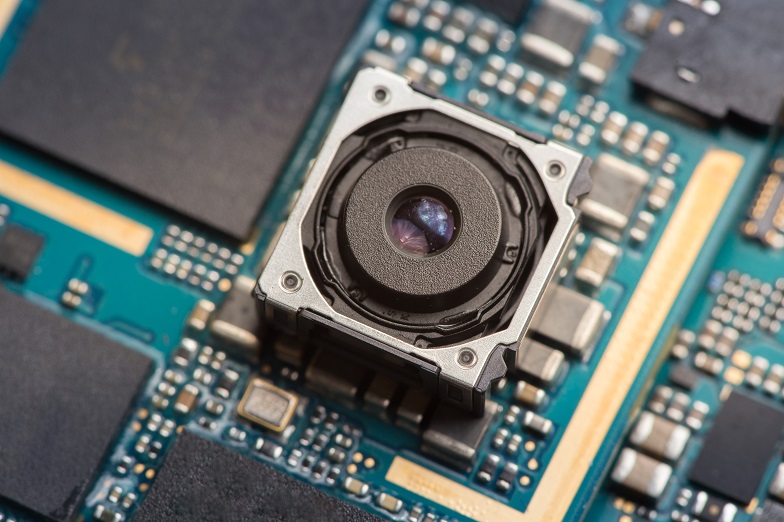
Cameras have become an integral part of our daily lives, whether it is to capture memories, connect with friends and family over social media or take breathtaking photos of scenic landscapes. At the heart of most modern day cameras lies an incredibly small yet powerful component - the camera module. In this article, we take a deeper look at this wonder called camera module.
Introduction to Camera Module
A camera module, also known as camera phone module, is a tiny circuit board containing an image sensor and camera lens that is used for digital cameras found in devices like smartphones, tablets, drones etc. Measuring only a few millimeters in size, a camera module packs in camera components like image sensors, lenses, autofocus motors and more into a compact structure. Camera modules have revolutionized photography by making cameras ubiquitous in consumer electronics.
Building Blocks of a Camera Module
At its core, a camera module consists of the following key components:
- Image Sensor: This silicon chip contains millions of light-sensitive photosites that capture the light passing through the lens and convert it into digital information. Common image sensors used are CMOS and CCD.
- Camera Lens: Made from multiple optical glass or plastic lenses arranged in a precise manner, the camera lens focuses the incoming light on the image sensor to capture clear photographs.
- Autofocus (AF) Motor: Thin film transistors or stepper motors that control the focusing by moving certain lens elements back and forth for sharp focusing.
- Supporting Electronics: Other essential electronic components like integrated circuits, controller chips, wires and PCB that power the module and process the image data.
This compact assembly results in small, lightweight and low-cost 'camera eyes' that can easily be incorporated into portable devices.
Advancements in Camera Module Technology
Over the years, camera module technology has advanced at a tremendous pace to keep up with the demands of the fast evolving smartphone and camera industries:
- Higher Resolution Sensors: Image sensors with 20MP, 32MP, 64MP and more resolutions pack more pixels into the same small size. This boosts photo quality.
- Multi-camera Arrangements: Modules with dual, triple or quad cameras using multiple sensors are being used for features like optical zoom, wide-angle shots and portrait mode.
- Smaller Sizes: Current modules measuring mere 3-5mm allow cameras even in thinnest of phones. Foldable phone cameras are as small as 1mm!
- Faster Autofocus: Dual Pixel, PDAF etc AF technologies enable lighting fast focusing for chasing fast moving subjects.
- Larger Apertures: Wider apertures of f/1.8 or lower in advanced modules let in more light for low-light photography.
- Optical Image Stabilization: Built-in OIS reduces blur due to handshake for steadier videos.
These improvements have transformed smartphone cameras into creative tools on par with basic point-and-shoot cameras.
Role of Camera Module Makers
A handful of specialized manufacturers worldwide design and mass produce camera modules as components for OEMs (Original Equipment Manufacturers) like smartphone brands and camera makers. Some of the leading Camera Module suppliers globally are:
- LG Innotek (South Korea): Known for high resolution modules with OIS for flagship phones.
- Partron (Taiwan): Expert in slim modules under 3mm thick for ultra-thin devices.
- Asia Optical (Taiwan): Specializes in lens units and optical zoom modules.
- Sunny Optical (China): Strong portfolio includes under-display camera modules.
- Semco (South Korea): Focused on mid-range modules with large apertures.
- Primax (Taiwan): Experienced manufacturer of entry-level CMOS modules.
These specialized module makers work closely with major sensor producers like Sony, Omnivision and offer custom modules tuned for the unique needs of each OEM client's devices.
Explore more information on this topic, Please visit -
https://www.newswirestats.com/camera-module-market-forecasts-and-outlook-analysis/