Understanding Status Epilepticus: Comprehensive Insights into Prolonged Seizure Disorder

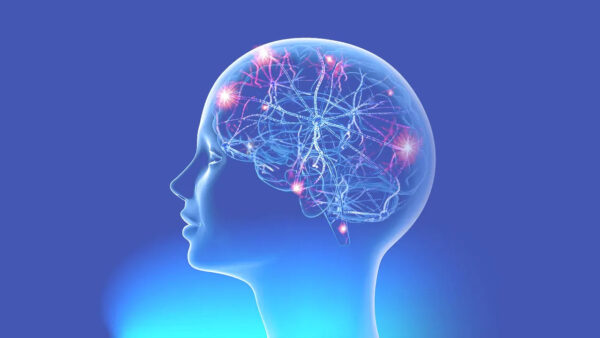
Status epilepticus is a critical neurological emergency characterized by prolonged or recurrent seizures without full recovery between episodes. It represents a severe form of epileptic crisis demanding immediate medical intervention due to its potential for long-lasting brain damage or fatality. This disorder transcends typical seizure patterns, presenting unique challenges for clinicians and researchers alike. The intricate complexity of status epilepticus underscores the importance of advancing medical knowledge, therapeutic approaches, and market dynamics surrounding this life-threatening condition.
Pathophysiology and Causes of Status Epilepticus Explored in Detail
Status epilepticus occurs when the brain experiences continuous seizure activity lasting more than five minutes or when multiple seizures happen in a short period without a return to baseline consciousness. The prolonged electrical storm in neural circuits disrupts the delicate balance of excitatory and inhibitory neurotransmitters, chiefly glutamate and gamma-aminobutyric acid (GABA). Imbalances in these neurotransmitters can lead to sustained excitotoxicity that damages neurons, particularly in vulnerable regions such as the hippocampus and cerebral cortex.
The underlying causes that trigger status epilepticus are multifaceted. Acute brain insults such as traumatic head injury, stroke, central nervous system infections, metabolic disturbances like hypoglycemia or electrolyte imbalances, central nervous system tumors, and abrupt withdrawal from anti-epileptic drugs act as potent inciting factors. Certain genetic epileptic syndromes or chronic epilepsy patients may also experience status epilepticus as a manifestation of disease progression or medication noncompliance.
Diagnostic Approaches and Clinical Manifestations in Status Epilepticus Cases
Recognizing status epilepticus promptly involves thorough clinical evaluation supported by advanced diagnostic tools. Patients typically present with continuous convulsive activity—muscle jerking and rigidity—or with non-convulsive phenotypes exhibiting altered consciousness and subtle motor signs. Electroencephalography (EEG) remains the cornerstone diagnostic modality, allowing real-time observation of epileptiform discharges, which are crucial to differentiating status epilepticus from mimicking conditions such as psychogenic non-epileptic seizures or metabolic encephalopathies.
Imaging techniques like magnetic resonance imaging (MRI) and computed tomography (CT) scans are imperative for detecting structural abnormalities or acute brain insults contributing to status epilepticus. Blood tests evaluating glucose, electrolytes, infectious markers, and drug levels assist in identifying reversible etiologies and guiding targeted management.
Treatment Modalities and Pharmaceutical Innovations Targeting Status Epilepticus
Treatment of status epilepticus is a time-sensitive neurological intervention prioritizing rapid seizure control to prevent irreversible brain injury. Initial therapy often involves administering benzodiazepines, such as lorazepam or midazolam, to stabilize neural hyperactivity effectively. If seizures persist, subsequent antiepileptic drugs (AEDs) like fosphenytoin, valproate, or levetiracetam are commonly employed, aiming to interrupt ongoing seizure cascades and restore neurochemical equilibrium.
Recent pharmaceutical advancements have propelled the development of novel AEDs and therapeutic protocols that offer enhanced efficacy and tolerability profiles, especially in refractory status epilepticus cases where traditional treatments fail. Intensive care management may encompass sedative infusions, mechanical ventilation, and continuous EEG monitoring to optimize patient outcomes.
Emerging Opportunities in Status Epilepticus Therapeutics Sector
The global landscape of status epilepticus treatment reveals substantial growth driven by increasing prevalence of epilepsy-related emergencies and rising awareness of neurological emergencies. Pharmaceutical companies are focusing on research and development of innovative drugs with rapid onset of action and improved safety margins. Biotechnological advances in understanding epileptogenesis and neuroprotection have sparked the design of targeted biologics and neuromodulation devices.
Moreover, rising healthcare expenditure and expanding geriatric populations contribute to a growing demand for effective status epilepticus management solutions. The integration of artificial intelligence and digital health tools in diagnosing and monitoring status epilepticus patients is also reshaping treatment paradigms and market strategies.
Detailed Research Reports Offering In-depth Analysis on Status Epilepticus
For healthcare stakeholders, pharmaceutical developers, and policy makers, detailed market research reports on status epilepticus provide invaluable insights into competitive landscape, therapeutic trends, regulatory frameworks, and patient demographics. These comprehensive analyses facilitate informed decision-making and strategic planning in drug development, clinical trial design, and commercialization activities.
Accessing extensive datasets and predictive models enables stakeholders to track market growth trajectories and identify potential investment areas. Reports typically encompass segmentation by drug class, route of administration, geographic region, and patient profile, delivering a 360-degree perspective of the status epilepticus treatment ecosystem.
Future Prospects and Research Directions in Status Epilepticus Management
Ongoing research in neurological sciences continues to shed light on biomarkers for early detection and prognostication of status epilepticus. Experimental therapies focusing on gene modulation, neuroinflammation control, and seizure circuit remodeling hold promise for altering disease course and improving quality of life.
Future therapeutic innovations aim to personalize interventions based on genetic and epigenetic profiles, optimizing drug regimens while minimizing adverse effects. Additionally, clinical guidelines and emergency protocols are evolving to incorporate emerging scientific evidence and technological advancements.
Get more Insights on Status Epilepticus
Get This Report In Japanese language: てんかん重積状態
Get This Report In Korean language: 간질 지속증
Read more articles related to this industry:
About Author:
Money Singh is a seasoned content writer with over four years of experience in the market research sector. Her expertise spans various industries, including food and beverages, biotechnology, chemical and materials, defense and aerospace, consumer goods, etc.
(https://www.linkedin.com/in/money-singh-590844163)
#StatusEpilepticus#NeurologyMarket#EpilepsyTreatment#CoherentMarketInsights#HealthcareResearch#BrainHealth