Understanding Fallopian Tube Cancer: Diagnosis and Management

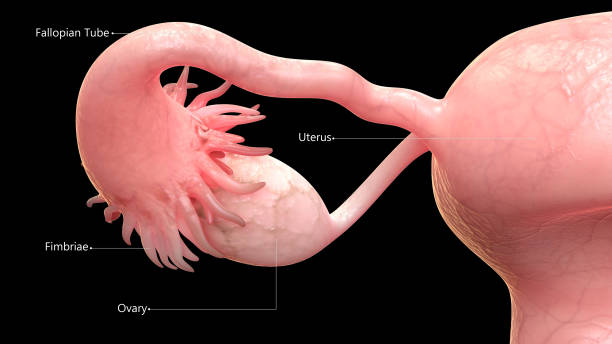
Fallopian tube cancer, though rare, is a significant gynecological malignancy that requires precise understanding for timely diagnosis and effective management. Originating in the slender tubes connecting the ovaries to the uterus, fallopian tube cancer presents distinct clinical features, making it essential for both medical professionals and patients to recognize its manifestations. This cancer often mimics ovarian cancer in its presentation and pathology, contributing to diagnostic challenges. The symptoms may be subtle initially, but as the cancer progresses, pelvic pain, abnormal vaginal bleeding, and unexplained abdominal swelling become apparent. Identifying these symptoms early is pivotal, as prognosis improves significantly with prompt intervention. Advanced diagnostic tools, such as transvaginal ultrasound and computed tomography (CT) scans, aid in detecting fallopian tube abnormalities, guiding the subsequent clinical decisions regarding biopsies or surgical exploration.
Detailed Insights into the Diagnostic Procedures for Fallopian Tube Cancer
Fallopian Tube Cancer diagnostic accuracy is paramount in managing fallopian tube cancer due to its rarity and symptom overlap with other gynecologic conditions. Initial evaluation typically includes pelvic examination and imaging studies. Transvaginal ultrasound remains a frontline investigative modality to detect adnexal masses, offering high-resolution images of the fallopian tubes. When imaging reveals suspicious masses or fluid accumulation, further assessments like magnetic resonance imaging (MRI) or CT scans are employed for comprehensive staging and to evaluate metastasis. Histopathological examination following tissue biopsy or surgical removal of the suspected tumor confirms the diagnosis and determines the cancer subtype. Furthermore, tumor markers, including CA-125 levels in the blood, although not exclusively specific to fallopian tube cancer, provide supportive diagnostic information and are useful for monitoring treatment response. Understanding these diagnostic pathways helps in differentiating fallopian tube cancer from ovarian and other pelvic malignancies, which is critical for planning an effective treatment strategy.
Current Treatment Modalities and Therapeutic Options Available for Patients
Treatment for fallopian tube cancer is multidisciplinary, involving surgery, chemotherapy, and sometimes targeted therapies. Surgical intervention is typically the initial step for patients diagnosed with localized tumors. The surgery often includes total hysterectomy, bilateral salpingo-oophorectomy, and removal of affected lymph nodes, aiming to achieve complete tumor resection. In cases where the cancer has spread, debulking surgery may be necessary to reduce tumor burden. Postoperative chemotherapy, principally platinum-based regimens such as carboplatin combined with paclitaxel, constitutes the standard adjuvant treatment. Recent advances in oncology have introduced targeted therapies and maintenance treatments which are being explored in clinical trials for recurrent or resistant cases. The treatment plan is tailored based on the cancer stage, histological type, and patient health status, emphasizing the need for individualized care. Understanding these therapeutic options is vital for patients and healthcare providers to engage in informed decision-making.
Emerging Trends in Fallopian Tube Cancer Research and Market Landscape Analysis
The evolving landscape of fallopian tube cancer research is marked by ongoing clinical trials and innovative drug developments aimed at improving survival rates and quality of life. Novel agents targeting specific genetic mutations and biological pathways in cancer cells are under investigation, highlighting the transition towards precision oncology. Research is also focused on identifying reliable biomarkers for early detection and prognosis, addressing the current challenges posed by nonspecific symptoms and late diagnosis. For stakeholders looking to navigate the competitive market dynamics of gynecologic oncology therapeutics, recent research reports provide in-depth analysis of emerging drugs, pipeline candidates, and regional market penetration strategies. These reports deliver insights into patient demographics, treatment adoption rates, and forecasted market trends, enabling pharmaceutical companies, healthcare providers, and investors to strategize effectively.
Navigating the Global Market Trends and Forecasts in Fallopian Tube Cancer Therapeutics
Understanding the commercial landscape of fallopian tube cancer treatment requires detailed data on market drivers, challenges, and growth opportunities. Market research reports on gynecologic oncology outline comprehensive analyses of the current therapeutic market, including drug approval statuses, patent expiries, and competitive assessments. These insights are crucial for organizations aiming to introduce innovative treatments or expand their market presence across different geographies. Key growth factors include increasing incidence rates, rising awareness, and technological advancements in diagnostics and treatment. Detailed segmentation by drug class, end-user application, and regional distribution helps stakeholders identify lucrative niches and investment opportunities. For decision-makers seeking navigational information on market dynamics, recent analytical reports provide a clear picture of evolving trends and emerging market players.
Market Dynamics and Investment Opportunities Based on Epidemiological and Clinical Data
The epidemiology of fallopian tube cancer influences market demand for effective diagnostics and therapeutics. Increasing prevalence in high-risk populations, coupled with aging demographics, fuels the need for comprehensive healthcare solutions. Epidemiological studies highlight geographic variations and risk factor distributions, assisting public health strategists in developing awareness programs and screening initiatives. Investment decisions in the pharmaceutical and biotech sectors rely heavily on such clinical and population-level data to evaluate market potential and innovation impact. Analyzing clinical trial pipelines alongside market research facilitates identification of gaps and opportunities for novel drug development. Stakeholders benefit from granular market insights that encompass patient segments, reimbursement scenarios, and healthcare infrastructure readiness, guiding scalable business strategies.
Fallopian tube cancer remains a challenging malignancy requiring concerted efforts across research, clinical practice, and market development. Integrating comprehensive clinical knowledge with market intelligence empowers healthcare providers, industry participants, and researchers to advance care standards and drive innovation forward.
Get this Report in Japanese Language: 卵管がん市場
Get this Report in Korean Language: 나팔관 암 시장
About Author:
Money Singh is a seasoned content writer with over four years of experience in the market research sector. Her expertise spans various industries, including food and beverages, biotechnology, chemical and materials, defense and aerospace, consumer goods, etc. (https://www.linkedin.com/in/money-singh-590844163)