Understanding Asphalt: A Versatile Construction Material

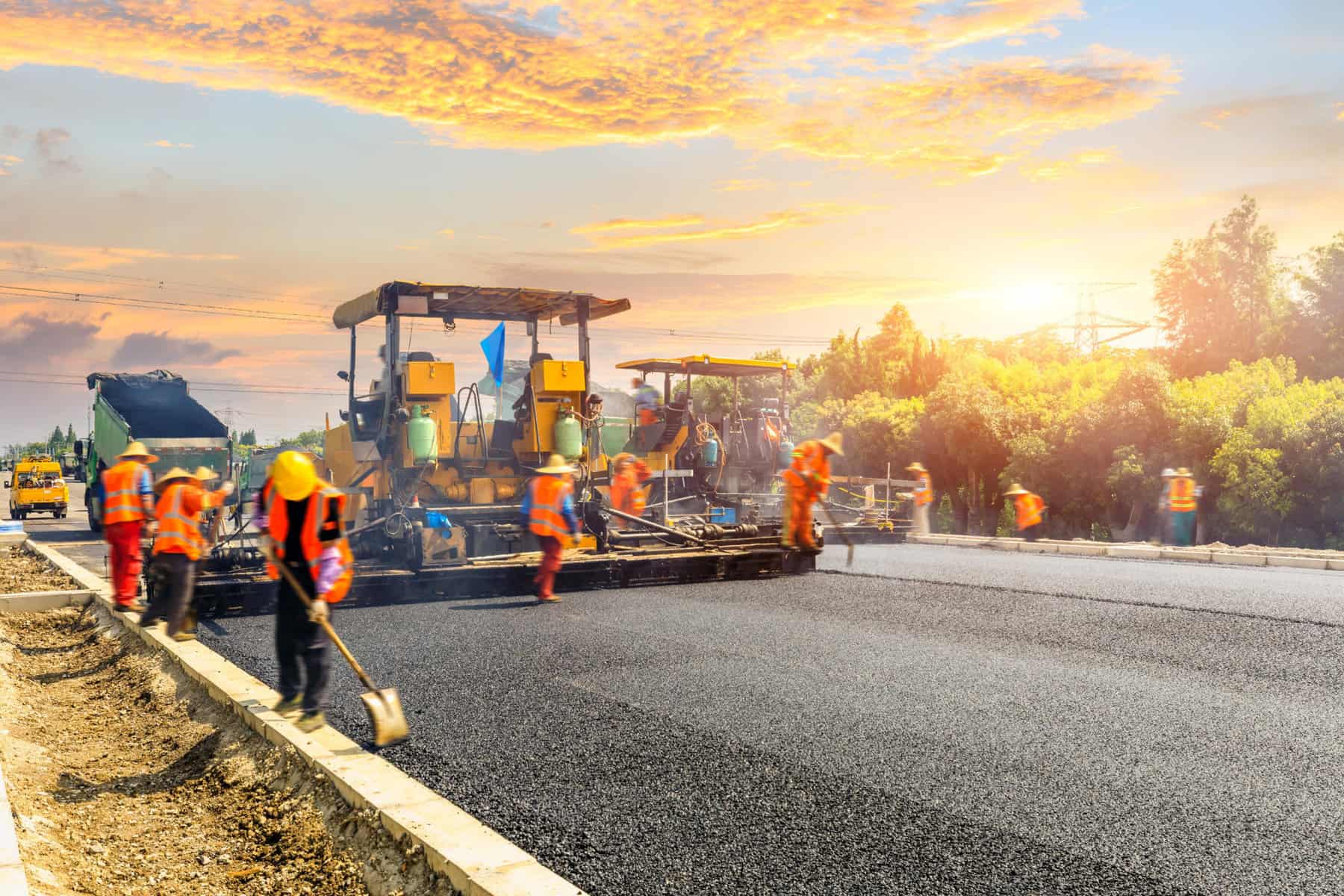
Asphalt is a widely used construction material consisting of bitumen, a sticky, black and highly viscous form of petroleum, which is mixed with aggregate materials including sand and gravel. When heated and mixed thoroughly with aggregate, it becomes a malleable substance. Upon cooling, it becomes solid and can be laid down in large, flat slabs to form asphalt concrete pavements.
Composition and Production
Asphalt is primarily composed of bitumen, which accounts for approximately 5% of the mixture by weight. The remaining 95% of the mixture consists of well-graded aggregate materials like coarse aggregate, fine aggregate, mineral filler etc. ranging from powdery material to pea-sized gravel. The bitumen acts as a binder and waterproofs the aggregate materials when mixed together. Asphalt is usually produced in specialized asphalt mixing plants, where the aggregate materials are dried and heated to high temperatures to allow for mixing with liquid asphalt cement. The temperature allows the asphalt to become sufficiently fluid for easy mixing. The mixture is then deposited onto clean surfaces and compacted.
Performance Properties
Some key properties that make Asphalt suitable for construction include strength, flexibility, waterproofing, durability and cost-effectiveness. When compacted, asphalt achieves high strength and load-bearing characteristics necessary for transportation infrastructure. It also remains flexible even at sub-freezing temperatures, preventing cracking. This flexibility is due to the bitumen component, which acts as a glue between aggregate particles. Its waterproofing property prevents penetration and damage from water. Asphalt mixtures can last over 20 years with proper maintenance and are relatively inexpensive to produce and install compared to other paving materials.
Types of Asphalt Mixtures
Several types of asphalt mixtures exist, designed for specific applications:
- Dense-graded Asphalt - Contains densely packed aggregate particles of varying sizes for high-traffic applications like freeways and highways.
- Open-graded Asphalt - Contains uniformly sized aggregate particles allowing water to drain through, used for preventing hydroplaning on roads and for noise abatement.
- Stone Matrix Asphalt - Contains high-quality aggregate and stiffer binders for maximum durable wearing surfaces.
- Hot Mix Asphalt - Standard asphalt mixture produced in hot mix plants, accounting for over 90% of asphalt usage.
- Warm Mix Asphalt - Produced at lower temperatures than HMA for reduced emissions and energy use but similar performance.
- Asphalt Rubber - Contains ground rubber tires for extra flexibility and durability. Used in airports.
Common Uses of Asphalt
Given its versatile performance properties, asphalt has widespread uses in construction:
- Pavements - Asphalt concrete is the most common paving material worldwide for roads, highways, parking lots and walkways due to its strength and durability.
- Roofing Products - Asphalt roll roofing, asphalt shingles and built-up roofing systems use asphalt for waterproofing roofs and protecting building interiors.
- Adhesives - Asphalt-based adhesives are used to adhere tiles, shingles and roofing felts to various surfaces.
- Waterproofing - Liquid asphalt or asphalt emulsions are applied as waterproofing membranes for building foundations, tunnels, bridges etc.
- Soundproofing - Specialty asphalt products are used to insulate structures from noise pollution and enhance acoustic insulation.
Asphalt concrete's durability, flexibility and waterproofing properties have made it the construction material of choice worldwide for transportation infrastructure and building applications. Modern asphalt mixtures can last over 20 years with proper design and quality control. Asphalt recycling and reuse initiatives ensure the sustainable use of this versatile and economical construction material.
Get more insights on Asphalt