Telematics and Connectivity in the Truck Platooning Market

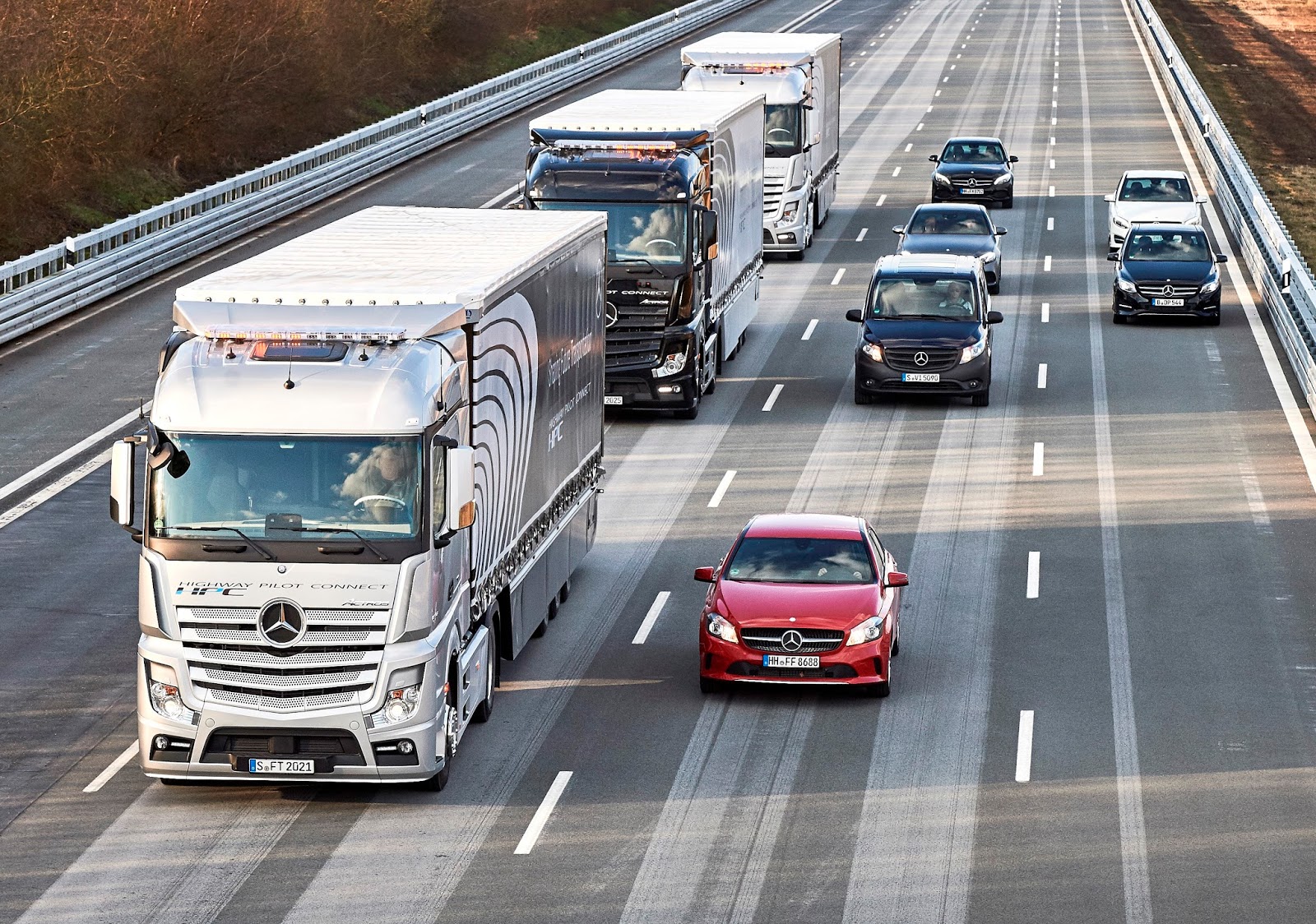
Telematics and connectivity technologies are at the forefront of transforming the truck platooning market by enabling seamless communication between vehicles and the infrastructure. Telematics systems utilize sensors, GPS, and onboard communication devices to collect and transmit real-time data, enhancing safety, efficiency, and operational visibility in platooning operations.
One of the primary benefits of telematics in the truck platooning market is enhanced safety. By providing real-time updates on the position, speed, and behavior of platooning trucks, telematics enables adaptive cruise control and coordinated braking, reducing the risk of accidents. In emergency situations, telematics can trigger automated safety protocols, such as alerting nearby vehicles or triggering emergency braking, further enhancing road safety.
Moreover, connectivity plays a crucial role in maintaining the integrity of the platoon. Trucks in a platoon must communicate seamlessly with each other to maintain safe distances and synchronize their movements. Connectivity technologies enable fast and reliable data exchange, allowing platooning trucks to operate as a unified, coordinated convoy.
Telematics and connectivity also contribute to fuel efficiency and cost savings. Through continuous monitoring of engine performance, tire pressure, and other vital parameters, telematics systems can identify opportunities to optimize fuel consumption and reduce unnecessary wear on components. Fleet managers can receive real-time fuel efficiency reports, enabling them to make data-driven decisions to minimize operational costs.
Beyond the benefits for individual fleets, telematics data can contribute to broader transportation planning and infrastructure optimization. Governments and transportation authorities can leverage telematics data to analyze traffic patterns, identify congestion hotspots, and make data-driven decisions to improve overall traffic flow and road safety.
As telematics and connectivity technologies continue to advance, they will play an increasingly pivotal role in shaping the future of the truck platooning market, driving innovation, and transforming the way goods are transported efficiently and safely on the roads.