Sustainable Solutions: Paving the Way with Eco-Friendly Asphalt

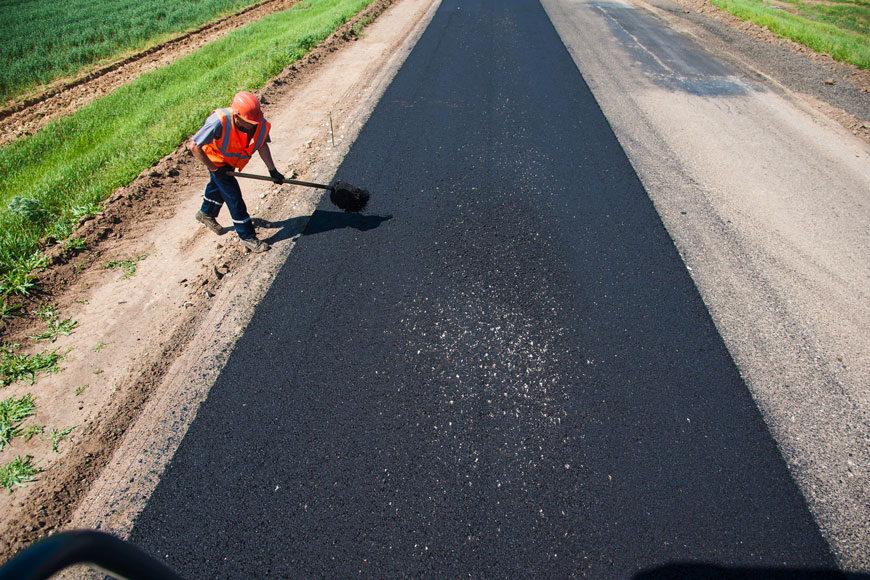
As concerns about environmental sustainability grow, the road construction industry is embracing eco-friendly solutions, and one of the key players in this movement is eco-friendly asphalt. Traditional hot-mix asphalt, while durable, generates substantial greenhouse gas emissions during production. Eco-friendly alternatives aim to reduce these emissions, conserve natural resources, and promote a greener approach to road infrastructure.
One of the primary sustainable solutions is the use of warm-mix asphalt (WMA). WMA allows asphalt to be manufactured and applied at lower temperatures compared to conventional hot-mix asphalt. This reduction in temperature not only lowers energy consumption but also reduces emissions of volatile organic compounds (VOCs) and greenhouse gases. By adopting WMA technology, road construction can significantly decrease its carbon footprint while maintaining the quality and performance of the pavements.
Recycling is another vital aspect of eco-friendly asphalt. The incorporation of reclaimed asphalt pavement (RAP) and recycled asphalt shingles (RAS) in asphalt mixtures helps reduce the demand for new aggregates and binder materials. This recycling process not only conserves natural resources but also minimizes the amount of waste sent to landfills. Additionally, the use of recycled materials in asphalt mixtures can lead to cost savings, making it an economically attractive and sustainable option.
The Asia-Pacific region holds a significant share in the global Asphalt Market, fueled by rapid industrialization and extensive road projects. North America and Europe witness robust demand for asphalt in road rehabilitation and infrastructure upgrades, further propelling market growth. The Asia-Pacific region holds a dominant share in the asphalt market due to rapid urbanization and extensive road network expansion. North America and Europe also contribute significantly to the market, driven by infrastructure rehabilitation and upgrades.
In recent years, innovative bio-based asphalt binders have emerged as an environmentally friendly alternative. These binders are derived from renewable resources, such as plant oils or biomass waste, reducing the dependence on petroleum-based products. Bio-based asphalt binders offer comparable performance to traditional binders while contributing to a significant reduction in greenhouse gas emissions.
Moreover, porous Asphalt is gaining popularity as an eco-friendly pavement option. Porous asphalt allows rainwater to pass through the pavement and infiltrate into the soil below, reducing the risk of stormwater runoff and promoting groundwater recharge. This eco-friendly solution helps mitigate urban flooding, improve water quality, and replenish groundwater resources.
In conclusion, sustainable solutions in asphalt technology are paving the way towards a greener future for road construction. Warm-mix asphalt, recycling practices, bio-based binders, and porous asphalt are all playing vital roles in reducing the environmental impact of road infrastructure. Embracing eco-friendly asphalt not only addresses environmental concerns but also leads to more resilient and cost-effective roadways for the benefit of communities and the planet.