The Strategic Importance of Ferro Manganese in Steel Production

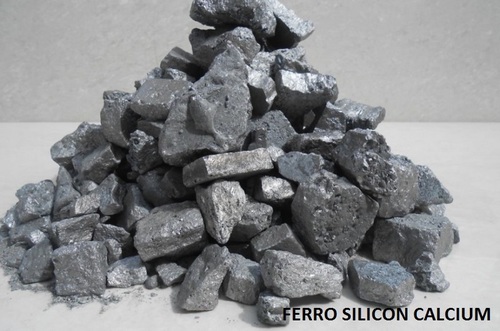
Ferro manganese is a critical alloy used extensively in the steel manufacturing industry, primarily as a deoxidizer and an agent to improve the strength and durability of steel. It is an alloy composed mainly of iron and manganese, with manganese content usually ranging between 60% and 80%. The production and application of ferro manganese have evolved substantially over the years, driven by advancements in metallurgical processes and the growing demand for high-quality steel products globally. Understanding the role of ferro manganese in industrial applications, its production processes, and the factors influencing its market behavior provides significant insights for stakeholders across the steel and alloy sectors.
Role of Ferro Manganese in Steel Manufacturing and Alloy Strengthening
Ferro manganese serves as a vital additive in steel production for several reasons. Its primary function is to remove oxygen from molten steel to avoid brittleness caused by oxidation. Manganese acts as a deoxidizing and desulfurizing agent, enhancing the physical properties of steel such as tensile strength, toughness, and wear resistance. The addition of ferro manganese also improves the hardenability of steel, making it suitable for manufacturing automotive components, construction materials, and heavy machinery. The properties conferred by ferro manganese allow steel producers to create specialized steel grades that meet precise industrial needs, thus expanding the applications of steel in various sectors.
Advanced Production Techniques and Raw Material Sourcing for Ferro Manganese
The production of Ferro Manganese involves the reduction of manganese ore in the presence of iron ore and carbon in submerged electric arc furnaces. The quality and efficiency of ferro manganese production depend heavily on the composition of raw materials used and the technological capabilities of the furnaces. High-grade manganese ore with optimal manganese content and low impurities leads to superior ferro manganese alloys. Additionally, advances in furnace design, energy efficiency, and temperature control contribute to higher yield and better quality of the final alloy. Regions rich in manganese ore reserves, such as South Africa, Australia, and China, dominate the production landscape due to availability of affordable and high-quality raw materials.
Global Ferro Manganese Market Trends and Consumption Patterns
The demand for ferro manganese is closely tied to the global steel production industry, which fluctuates based on economic growth, infrastructure development, and industrial expansion. Emerging economies with rapid urbanization often lead the consumption of ferro manganese due to large-scale construction and automobile manufacturing activities. Market trends reveal a shift toward producing higher purity grades of ferro manganese to meet stringent steel quality standards. Additionally, sustainability concerns and energy-efficient production methods are gaining traction, influencing market dynamics. The increasing integration of electric arc furnace steelmaking, which requires substantial ferro alloy inputs, further propels the demand across Asia-Pacific and other developing regions.
Factors Influencing Pricing and Supply Chain Stability of Ferro Manganese
The pricing of ferro manganese is subject to several variables, including raw material costs, energy prices, geopolitical factors, and import-export regulations. Fluctuations in manganese ore supply or energy disruptions can significantly impact costs. Moreover, trade policies such as tariffs and quotas in major producing and consuming countries affect the export-import balance, influencing international prices. Logistics and transportation infrastructure also play a crucial role, as ferro manganese is often shipped in bulk between producing hubs and consuming industries. Manufacturers and traders must adapt to these elements to ensure supply chain reliability and competitive pricing, especially amid increasing demand from specialized steel sectors.
Navigating Industry Reports for Strategic Insights on Ferro Manganese
For businesses and investors seeking detailed market analysis on ferro manganese, comprehensive industry reports provide valuable data on production volumes, consumption rates, market segmentation, and forecast trends. These reports offer insights into key players, regional demand, technological innovations, and emerging markets. Navigational keywords such as “ferro manganese alloy market trends report,” “global ferro manganese industry analysis,” and “steel additive market forecast report” can guide users directly to up-to-date resources that help in strategic decision-making. Accessing these analytical tools empowers stakeholders to understand competitive landscapes, evaluate growth opportunities, and mitigate risks associated with market volatility.
Commercial Applications and Buyer Insights in Ferro Manganese Markets
The commercial landscape for ferro manganese primarily involves steel manufacturers, foundries, and alloy producers requiring consistent quality and supply for their production lines. Buyers focus on factors such as purity levels, carbon content, and particle size distribution to match their specific process needs. Bulk procurement from reputed suppliers coupled with supply chain assurance and after-sales service contributes to long-term business relationships. Additionally, technological trends pushing for new steel grades and alloys open new commercial avenues for ferro manganese suppliers who can innovate in product customization and sustainable production. Commercial transactions often reflect broader economic conditions, as steel sector growth directly influences ferro manganese consumption volumes.
Get this Report in Japanese Language: フェロマンガン市場
Get this Report in Korean Language: 페로 망간 시장
About Author:
Money Singh is a seasoned content writer with over four years of experience in the market research sector. Her expertise spans various industries, including food and beverages, biotechnology, chemical and materials, defense and aerospace, consumer goods, etc. (https://www.linkedin.com/in/money-singh-590844163)