Self-Testing Market is Estimated to Witness High Growth

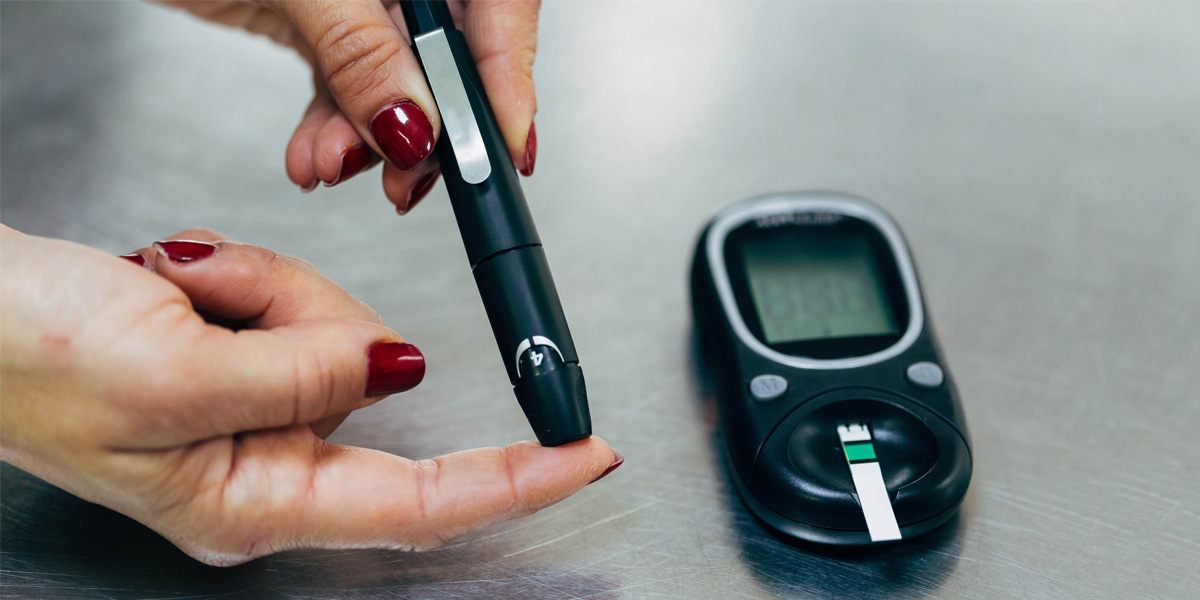
Self-testing refers to diagnostic or screening tests that allow individuals to collect their own samples and interpret test results without the direct involvement of a healthcare professional. Common types of self-testing include home pregnancy kits, HIV home testing kits, glucose monitoring for diabetes, and ovulation prediction kits. These tests help save time and provide convenience along with raising awareness by empowering individuals to proactively monitor their health.
The global self-testing market is estimated to be valued at US$ 21867.72 Mn in 2023 and is expected to exhibit a CAGR of 6.8% over the forecast period 2023 to 2030, as highlighted in a new report published by Coherent Market Insights.
Market Dynamics:
Rising prevalence of chronic diseases such as diabetes, HIV/AIDS, and cardiovascular diseases has been a major driver of growth in the self-testing market. According to the Centers for Disease Control and Prevention (CDC), around 34.2 million people in the US, or 10.5% of the population, have diabetes as of 2018. Self-testing helps people to conveniently monitor their medical conditions and seek timely treatment as needed. Another key driver is increasing awareness about the benefits of early disease diagnosis. Self-testing kits enable early detection and help lower healthcare costs in the long run. However, lack of diagnostic accuracy compared to lab tests and anxiety caused by incorrect self-interpretation remain key challenges to be addressed.
SWOT Analysis
Strength: The self-testing market provides convenience to users as they can test themselves from the comfort of their homes. It helps save time by eliminating the need for visits to diagnostic centers. Home sample collection and testing are easier for individuals.
Weakness: Self-testing may not be as accurate as tests conducted by healthcare professionals. It requires users to correctly follow instructions for sample collection and handling. Lack of clinical oversight could potentially lead to incorrect results.
Opportunity: Growing awareness about early detection and prevention of diseases is driving the demand for self-testing solutions. The proliferation of e-commerce is expanding access to self-testing kits. Technological advances are making home testing more user-friendly and accurate.
Threats: Stringent regulations around accuracy and safety could increase compliance costs. Reimbursement and coverage policies vary widely between countries posing commercialization challenges. Developing economies may not have adequate infrastructure and awareness to support self-care practices.
Key Takeaways
The Global Self-Testing Market Size is expected to witness high growth. The global self-testing market is estimated to be valued at US$ 21867.72 Mn in 2023 and is expected to exhibit a CAGR of 6.8% over the forecast period 2023 to 2030.
The North American region currently dominates the self-testing market owing to the high adoption of self-monitoring practices driven by rising healthcare costs. Asia Pacific is projected to exhibit the fastest growth during the forecast period supported by growing medical expenditures, rapid urbanization and increasing awareness in developing countries.
Key players related content comprises Key players related content
Key players operating in the self-testing market are BNP Paribas, CVS Health, Aviva, Allianz, Humana, Cigna, Aetna, Wellcare Health Plans Inc., UnitedHealth Group Inc., and Nippon Life Insurance Company, among others.
Explore more information on this topic, Please visit -
https://www.pressreleasebulletin.com/self-testing-market-size-and-trends-analysis/
Explore more trending article related this topic -