Rise of Intelligent Automation : Automated Analyzers Revolutionizing Modern Laboratories

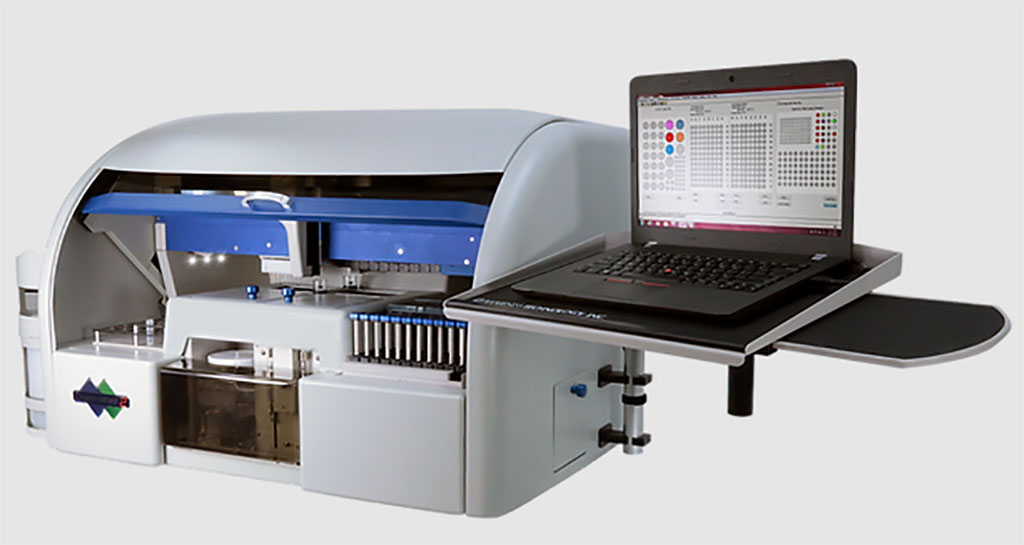
Automated analyzers are becoming increasingly common in laboratories as the technology advances to incorporate more intelligent automation and data analytics capabilities. These systems use robotics, sensors, and analytical software to conduct a wide variety of chemical and biological tests on samples without direct human involvement. The rise of automated analyzers is driven by the need for higher testing volumes, improved accuracy and consistency, as well as the desire to reduce labor costs and eliminate manual errors.
Advantages
One of the key advantages of this system is increased productivity. They can process thousands of samples per day, around the clock with minimal human intervention. This level of throughput simply wouldn't be possible with manual methods. Automated Analyzers also deliver highly consistent and accurate results. Programmed workflows and calibrated sensors ensure tests are done precisely according to proven protocols. This removes the possibility of human errors such as improper sample handling or incorrectly following test procedures. They also save on labor costs. They require fewer technicians to operate compared to conducting the equivalent number of tests manually. This frees up staff for more specialized tasks.
New Automation Technologies
The latest systems incorporate cutting-edge robotics, imaging, and artificial intelligence capabilities. Advanced robot arms can precisely pipette samples and reagents, carefully handling even minuscule volumes. High-resolution digital microscopy and imaging sensors allow automated microscopic analysis and digital slide imaging. Integrated artificial intelligence is enabling these systems to diagnose conditions, flag abnormal results, track trends, and even predict future outcomes based on historical test data. voice control and natural language processing are also starting to be applied to simplify interaction between users and automated equipment. These new automation technologies will make analyzers even more autonomous and intelligent in the coming years.
Applications in Various Industries
Automated analyzers find widespread use across many industries for different applications. In healthcare, they are vital for high-volume clinical testing in hospital and commercial laboratories. This includes diagnostic testing of blood, urine, tissue samples and more to detect diseases, monitor treatments, and screen for conditions. Food and beverage companies rely on automated analyzers for product quality control, ensuring ingredients meet specifications and final products are safe. Environmental testing laboratories use them to monitor air, water and soil quality by automating tests for various contaminants. Forensic laboratories leverage the high throughput of automated systems for DNA analysis, toxicology screening and other criminal casework. Other major end-users include pharmaceutical companies conducting drug discovery and product safety testing. Overall, automated analyzers have become essential laboratory workhorses across various industries.
Opportunities for Analytics and Connectivity
While earlier these systems primarily focused on conducting individual tests, newer digitally integrated platforms are designed for more advanced data analytics applications. Built-in computing power and connectivity enable real-time wireless linking of analyzers to laboratory information management systems and cloud-based databases. Test results and instrumentation data can then be mined and analyzed for insights. Analytics reveal trends, detect anomalies, predict instrument maintenance needs, and help optimize workflows. Integration with LIS or LIMS also streamlines sample tracking and seamless electronic result reports to ordering physicians or clients. Connectivity opens up opportunities for remote monitoring, virtual assistance, and over-the-air software upgrades to automated analyzers. The potential for data-driven insights is a major factor driving further improvement and innovation in analyzer technologies.
they have transformed modern clinical, industrial, environmental and forensic testing laboratories by automating routine analysis tasks. Their higher throughput, precision, and consistency compared to manual methods have made them indispensable. Advancing robotics, AI and data analytics are taking automation to the next level, offering deeper insights and enhanced productivity from integrated digital platforms. Overall, automated analyzers will continue revolutionizing various industries by supporting new discoveries and facilitating better decision-making through optimized laboratory workflows.
Get More Insights on- Automated Analyzers
Explore More On- Cryptoxanthin Market