Respiratory Devices: Enabling Healthier Breathing

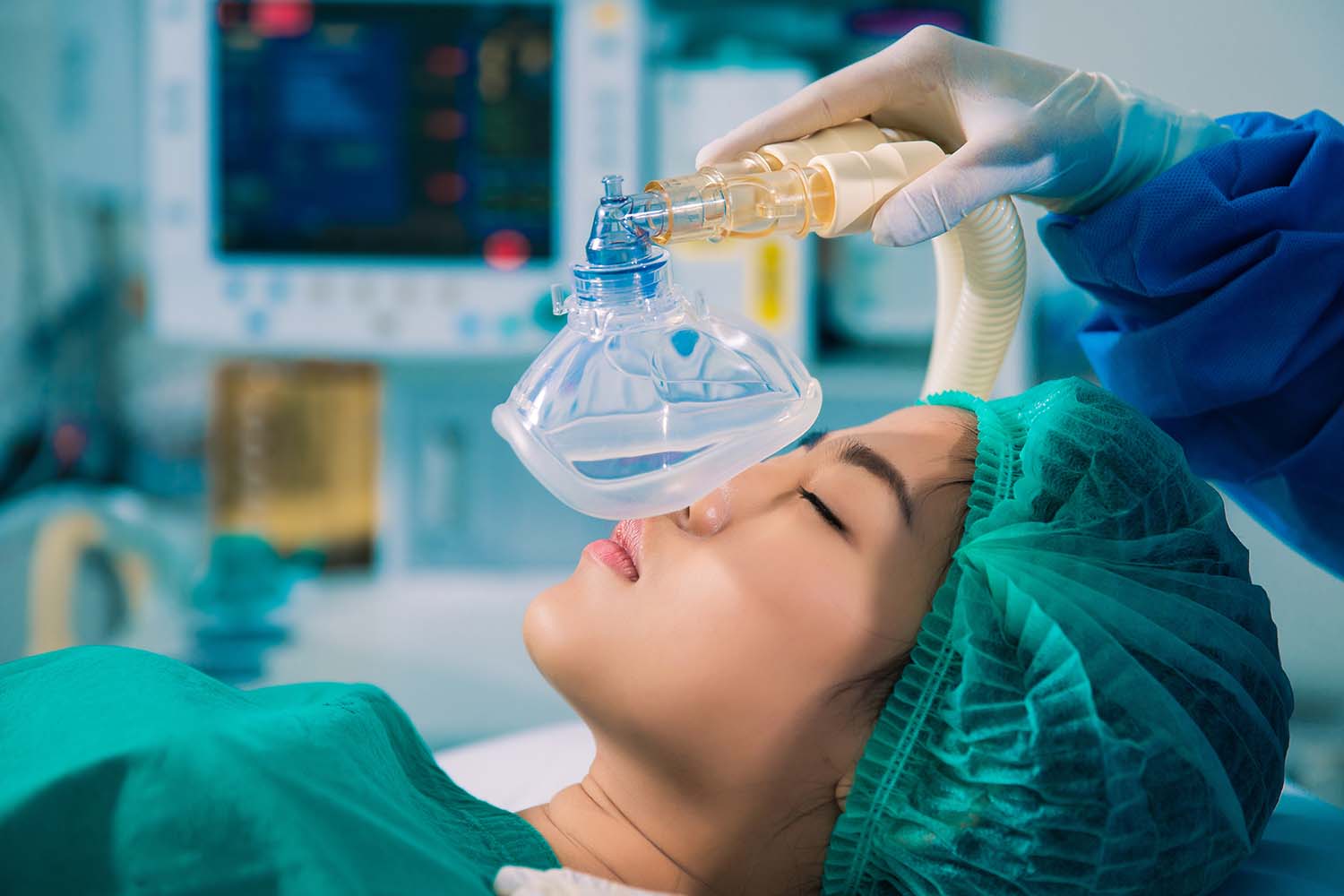
Respiratory devices play a vital role in supporting lung function and improving breathing. From simple masks to complex ventilators, medical technology has developed innovative solutions to treat respiratory conditions.
Nebulizers and Inhalers
One of the most common respiratory devices are nebulizers and inhalers. These portable devices are used to deliver medications directly to the lungs through an inhaled mist or vapor. Nebulizers work by placing a liquid medication into the machine which then converts it into a fine mist that can be inhaled through a mouthpiece or mask. Inhalers on the other hand contain medication in either an aerosol or dry powder form that is released when activated and inhaled.
Both nebulizers and inhalers are frequently prescribed for conditions like asthma and COPD to deliver bronchodilators and steroids to open airways and reduce inflammation. They provide an effective way to self-administer respiratory medications outside of a medical setting. Devices may differ based on medication type, single use or rechargeable, and mist production method like ultrasonic or jet nebulizers. Overall, nebulizers and inhalers offer an easier way to access treatment and manage respiratory symptoms at home.
Continuous Positive Airway Pressure Devices (CPAP)
CPAP devices are commonly utilized to treat obstructive sleep apnea (OSA). OSA occurs when throat muscles relax during sleep blocking the airway, temporarily stopping breathing. To use a CPAP, a mask is worn over the nose, mouth or both and provides a continuous supply of pressured air to keep the airway open throughout sleep.
The pressurized air is delivered through a hose connected to a CPAP machine. Models range in size but all work to sense breathing and supply air pressure to prevent airway collapse. Treatment with CPAP enables uninterrupted sleep, improving energy and reducing symptoms of excessive daytime sleepiness. By addressing OSA, CPAP also lowers risks for heart disease, diabetes and stroke long term. With proper fitting and adjustment, most patients see significant quality of life improvements on CPAP therapy.
Oxygen Delivery Systems
Oxygen delivery systems provide supplemental oxygen to patients with low oxygen levels in their blood typically due to lung or heart conditions. Portable oxygen concentrators, liquid oxygen reservoirs, and home oxygen systems are the main devices used.
Portable oxygen concentrators are self-contained battery-powered units that filter room air to deliver concentrated oxygen through a nasal cannula. Liquid oxygen systems consist of large insulated containers that deliver vaporized liquid oxygen through tubing. Home oxygen systems pipe compressed gas tanks or liquid oxygen reservoirs throughout a home with tubing ending at the patient’s nasal cannula.
Proper fitting and set up is important for these devices to safely deliver the prescribed level of oxygen. They offer mobility and independence for patients requiring oxygen support at home or on the go. Oxygen therapy has been shown to greatly improve symptoms, exercise tolerance and quality of life for those with chronic lung diseases.
Respiratory Ventilators
For patients with very severe lung impairment or failure, mechanical ventilators are used to breathe for them either temporarily or long term. Ventilators work by pushing pressurized air in and out of the lungs through an endotracheal tube inserted through the mouth or tracheostomy opening in the neck.
Types of ventilators include portable transport ventilators for emergency use, intensive care ventilators for hospital settings, and home ventilators for long term care at home. Modes of ventilation can be adjusted based on patient needs from full mandatory support to less invasive options like non-invasive ventilation masks. Proper monitoring is important for ventilators to prevent lung damage from too much pressure or not enough air exchange.
When other options aren't sufficient, mechanical ventilation provides life-sustaining breathing support. It allows time for underlying lung illness to heal or serves as long term assistance for conditions like spinal muscular atrophy. With skilled nursing, ventilators enable many to survive and thrive in spite of severe respiratory impairment.
Respiratory Monitoring Devices
Pulmonary function tests measure lung capacity through spirometers while pulse oximeters non-invasively monitor blood oxygen levels with a finger clip. Peak flow meters evaluate daily changes in airflow limitation for asthma and COPD. Diagnostic tests like polysomnography and end-tidal CO2 monitors help diagnose and treat sleep apnea and respiratory failure more accurately.
Wearable devices also allow remote Respiratory Devices monitoring. Fitness trackers can detect trends in breathing rate, heart rate and blood oxygen during activity or sleep. More advanced systems have sensors to transmit detailed respiratory and vital sign data to provider monitoring portals. This enables early intervention for worsening symptoms from home.
Overall, respiratory monitoring devices provide objective data on lung function to inform treatment decisions and gauge response over time. Combined with symptoms, they create a comprehensive picture of dynamic lung health. New technologies continue expanding monitoring options into everyday devices for more proactive care.
Explore more information on this topic, Please visit -
https://www.newswirestats.com/respiratory-devices-market-share-and-demand-analysis/
Explore more trending article -
https://www.pressreleasebulletin.com/treasury-management-market-growth-and-forecastsanalysis/