Proteomics: Unlocking the Secrets of Biological Systems

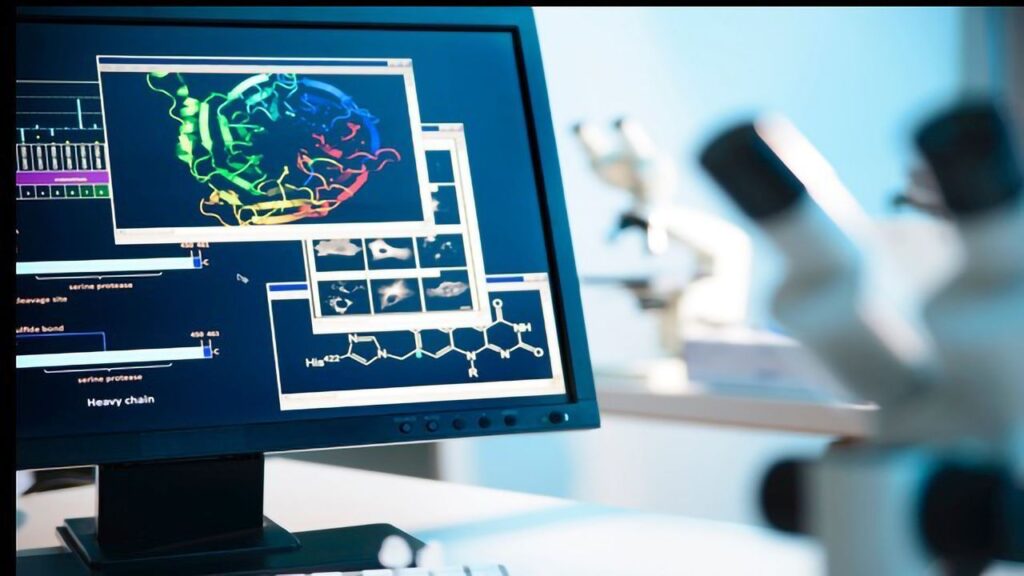
Proteomics refers to the large-scale study of proteins, particularly their structures and functions. It is a rapidly growing field that is providing new insights into how biological systems work at the molecular level. The proteome, which is the entire complement of proteins in a cell, tissue, or organism, is far more complex and dynamic than the genome. Proteomics facilitates the comprehensive analysis of the proteome through a variety of advanced techniques and technologies.
History and Development of Proteomics
The field of Proteomics began emerging in the mid-1990s alongside developments in genomics and DNA sequencing technologies. Early proteomics research involved the separation and identification of large numbers of proteins using two-dimensional gel electrophoresis (2DE) combined with mass spectrometry. 2DE allowed researchers to visually differentiate between many proteins simultaneously based on their isoelectric point and molecular weight. This provided an early glimpse into the complexity of proteomes.
Over the past few decades, the field has greatly expanded thanks to advancements in mass spectrometry and bioinformatics capabilities. Technologies like liquid chromatography-mass spectrometry (LC-MS) now allow much more sensitive, high-throughput, and quantitative analyses of proteomes compared to 2DE-based methods. State-of-the-art mass spectrometers can readily identify thousands of proteins from a single sample. Additionally, targeted approaches are being developed for validating and quantifying specific protein biomarkers. These advances have propelled proteomics into diverse areas like diagnostics, drug development, toxicology, and systems biology research.
Protein Identification and Quantification
One of the primary goals of proteomics is to unambiguously identify and quantify as many proteins as possible within a given sample. Mass spectrometry has become the cornerstone technology for both identification and quantification of proteins on a large scale. During the identification process, intact proteins are first digested into smaller peptide fragments using enzymatic digestion with proteases like trypsin.
The peptide mixtures are then separated by liquid chromatography and introduced one-by-one into the mass spectrometer for analysis. The mass spectrometer measures the mass-to-charge ratio (m/z) of each individual peptide. Database searching algorithms then compare these experimental values against theoretical peptide masses predicted from a genome database to deduce the identities of the parent proteins. Quantification can be performed by comparing signal intensities between samples to determine relative changes in protein abundance levels. Advanced techniques like multiple reaction monitoring (MRM) and selected reaction monitoring (SRM) enable targeted quantification of pre-selected proteins.
Applications of Proteomics
Proteomics has enabled discoveries across many fields of biology and medicine. Some important applications include:
Biomarker Discovery: One major goal of clinical proteomics is to identify novel protein biomarkers for various diseases. Biomarkers can serve as diagnostic, prognostic, or predictive indicators to help develop personalized treatment strategies. Cancer biomarker research has yielded several FDA-approved tests.
Drug Development and Toxicology: Proteomics is instrumental in understanding drug mechanisms, identifying drug targets, and detecting adverse drug responses or toxicity at the protein level. It facilitates pre-clinical safety assessments and evaluating pharmacodynamics.
Systems Biology: By characterizing dynamic changes in protein expression, interactions, modifications etc., proteomics provides invaluable insights into integrated cellular behavior and networks. This drives computational modeling of biological pathways and processes.
Agriculture: Proteomics finds applications in optimizing crop yields, developing pest-resistant varieties, assessing stress responses, monitoring food quality, and ensuring product authentication and traceability in supply chains.
Microbiology: Characterization of pathogen proteomes aids antibiotic discovery, vaccine development, and understanding host-pathogen interactions. This supports efforts against infectious diseases.
Challenges and Future Outlook
While proteomics has revolutionized biological research, several technical bottlenecks still exist. Identifying low-abundance proteins, characterizing highly hydrophobic or basic membrane proteins, resolving protein isoforms, and deciphering complex protein interactions remain ongoing challenges. Data analysis and management are other hurdles due to the enormous scale of proteomics datasets.
Looking ahead, integrating proteomics with other -omics data, artificial intelligence, and digital technologies holds promise to gain deeper multi-omics insights. Advancing targeted quantitative methods, single-cell analyses, spatial mapping techniques, and proteomic imaging modalities will expand the scope and applications of proteomics. With continuous technological innovations, proteomics is set to further accelerate biological discoveries and drive precision healthcare solutions in the coming decades.
Get more insights on this topic:
https://www.insightprobing.com/proteomics-understanding-the-complex-world-of-proteins/