Iris Recognition: The Future of Biometric Authentication

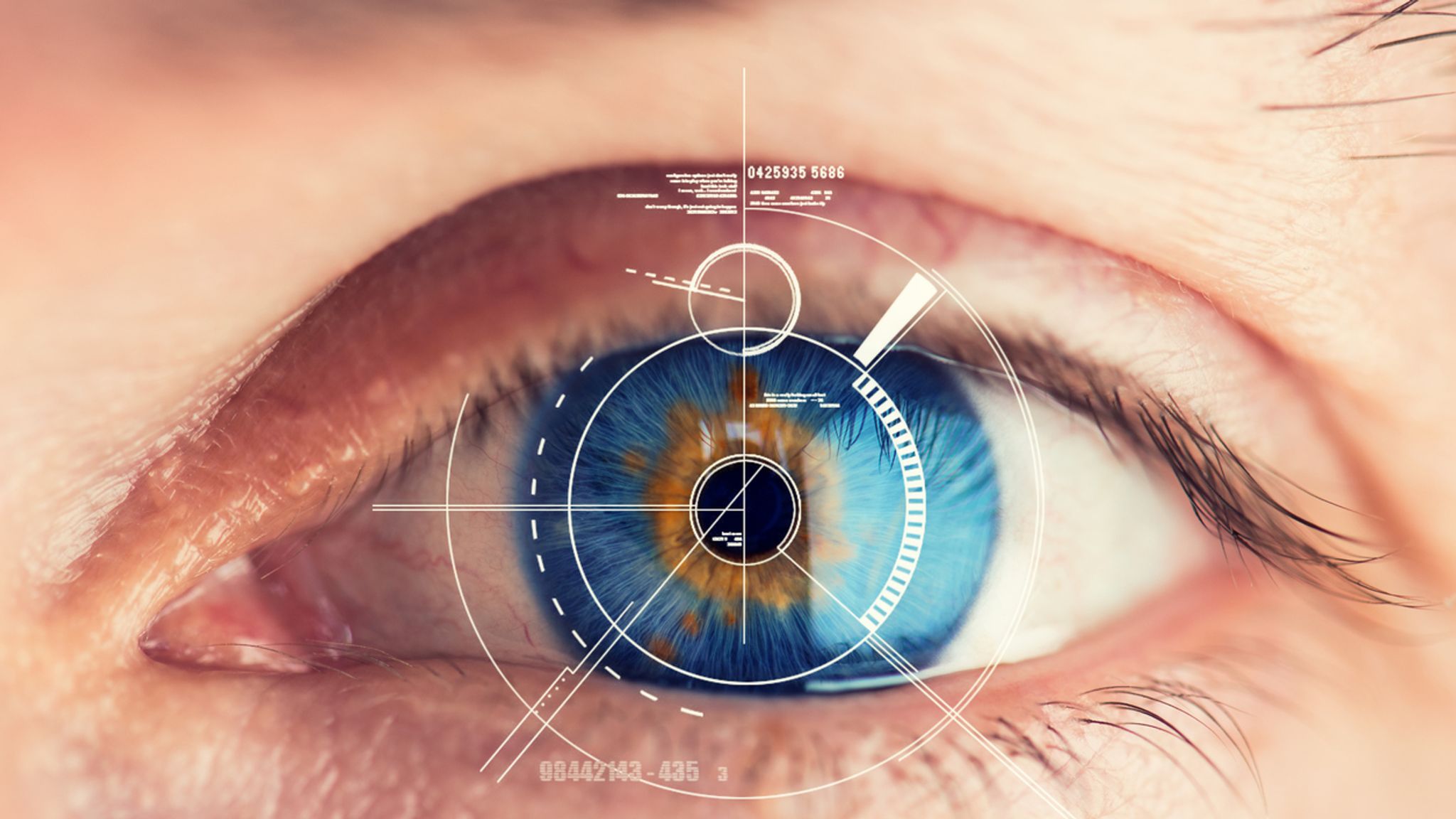
As technological advancements continue to rapidly evolve how we interact with devices both big and small, authentication and identification methods must keep pace to remain secure. While passwords and PIN numbers have been the traditional methods used, they can often be compromised through theft, hacking or simple human forgetfulness. Biometric authentication provides a more secure alternative by utilizing unique physical attributes of individuals. Of all the biometric technologies available, iris recognition stands out as one of the most accurate and difficult to spoof. This article will explore the capability and promise of iris recognition as the biometric of the future.
How Does Iris Recognition Work?
The iris, the colored ring that surrounds the pupil of the eye, is a sensitive internal organ that is visible externally but protected behind the cornea. It is one of the few anatomy that is developed in utero by approximately 8 months and remains stable for the rest of one's life. No two irises are alike, not even between twins, making them highly distinctive personal identifiers.
Iris Recognition works by using specialized cameras to capture an image of the iris from approximately 10-15 centimeters away. These high resolution cameras can acquire enough detailed features of the iris to differentiate one person from another even in less than ideal lighting conditions. Over 240 distinct characteristics are analyzed from the iris such as rings, furrows, freckles and the relationships between collarettes and iris pigment features. A digital template is then created based on this distinctive map and stored in a database. For authentication, the iris image is captured again and compared against the stored template through matching algorithms.
Advantages of Iris Recognition
Some of the key advantages that have made iris recognition stand out among other biometrics include:
- Uniqueness: The intricate details of the iris make it virtually impossible for two irises to be identical, even between genetically identical individuals like twins. This gives an extremely low false match rate.
- Permanence: From around 8 months of age, the iris structure remains stable and does not change or degrade over time. This makes iris recognition suitable for lifespan identification.
- Difficult to spoof: Unlike fingerprints which can be left behind, or facial features which can be disguised, one cannot replicate an iris without surgical implantation. Attempts to spoof an iris match require a visible iris to be very close to the sensor.
- Non-invasive: Iris scanning is completely non-invasive and hygienic as it does not require direct contact with the person or the device. Participants need only look into the camera from a short distance away.
- Large storage capacity: The iris holds extensive pattern detail resulting in highly distinctive digital templates that use very little storage space. This allows for quick 1:many searches among very large databases.
Applications of Iris Recognition
With such a high degree of accuracy and security, iris recognition has found diverse applications across government, military, healthcare and commercial domains:
Border Control: Several countries have integrated iris scanning at major international airports and border crossing points for automated verification of travelers against watchlists and visa/passport data. This allows for fast clearance of legitimate passengers.
National ID Programs: Countries like India have adopted iris as the biometric identifier for their 'Aadhar' social security program with over a billion enrolled residents. The authentication is used for benefit disbursements, banking, taxation and more.
prisoner identification: Prisons worldwide rely on iris biometrics to positively identify inmates, preventing mixing up of identities or escapes using an alias. This ensures proper tracking of incarceration periods and parole compliance.
Device Access: Laptops, smartphones and other electronically secure devices are now being manufactured with integrated iris cameras. Users simply glance at the device for login, payments or sensitive actions without need for passwords.
Healthcare Records: Medical organizations deploy iris scanners at patient intake, operating theaters or dispensaries to verify patient identity before procedures or treatment. This avoids errors due to namesakes or fake identities.
Continued Advancements
Iris recognition technology continues its path of advancement through improved optics, cameras, segmentation and matching algorithms. Standoff iris identification now allows subjects to be identified from distances of 3 meters or more. Integrated systems are getting more compact and affordable. Mobiles and other portable devices allow for iris on-the-go. Multispectral iris imaging uses different wavelengths to capture even more distinguishing traits embedded in the iris texture. Fusion with other modalities like face or fingerprint can boost matching strength. With such enhancements, iris recognition promises to become the dominant biometric of the future, providing secure one-to-many identification at massive scale for a wide array of critical applications.
As threats to identity and security evolve, there is an increasing need for authentication methods that are highly accurate, non-invasive and resistant to spoofing or circumvention. Iris recognition fits this role perfectly by leveraging the intricate and immutable patterns of the iris to deliver identification that is among the most reliable biometrics available today. Its diverse applications across key domains attest to its growing importance. Through continued technical improvements, iris recognition will remain at the forefront of identifying individuals and serve as a linchpin for securing access in an increasingly digital and connected world.
Get more insights on Iris Recognition