Innovative Connections: Unraveling the World of Flat Flex Cables in Modern Electronics

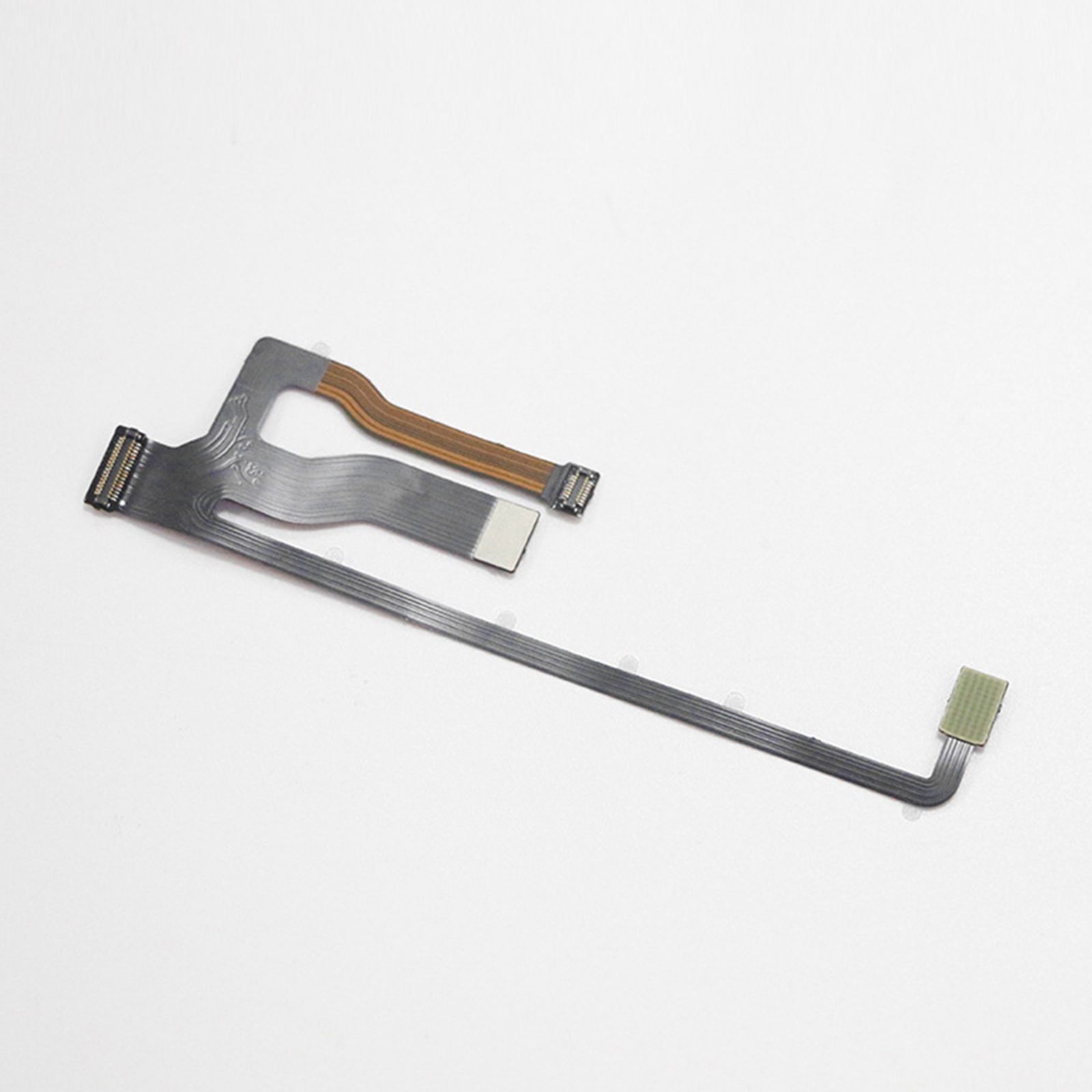
Flat Flex Cables:
Flat flex cables (FFCs) are a modern innovation that allows for thin, flexible circuitry connections in electronics. As technology gets ever smaller, flat flex cables provide an important solution for routing signals and power in tightly packed devices. This article will explore what flat flex cables are, how they work, and where they are used.
What are Flat Flex Cables?
A flat flex cable is a cable made of multiple conductor traces bonded between two flexible polymer films, such as polyimide. The conductor traces are very thin, often made of copper or sometimes other conductive materials like aluminum. Multiple fine conductor traces run parallel to each other between the films, allowing multiple connections through a single flat cable.
Since the early traces are so thin and close together, flat flex cables can transfer many connections through a very small space. They are much thinner and more flexible than traditional wire harnesses. Typical thicknesses are 0.1mm or thinner, allowing FFCs to conform to tight bends and complex packaging setups. The polymer films protect and insulate the traces while allowing them to flex repeatedly without damage.
How do Flat Flex Cables Work?
The key to how flat flex cables function is their multilayer flexible circuit design. Multiple thin conductive traces are bonded precisely between layers of thin polymer film using adhesives or thermal bonding. This forms a single connective layer that can run many independent circuit paths side-by-side through a tiny width.
The polymer film cover layers insulate and protect the traces from damage or shorts during flexing. Traces are arranged so they can terminate on both ends of the cable to interconnect circuits. Connections are made by punching holes in the polymer layer precisely over trace ends and soldering or pin-connecting. Some FFC ends have sockets to simplify assembly.
Flat Flex Cable Uses in Electronics
One of the biggest uses of flat flex cables is inside electronics like smartphones, laptops, and other compact devices. They are ideal for connecting components tightly assembled into layers, allowing contacts between boards, chips, batteries and other parts. Some specific uses include:
- Connecting motherboards to displays in laptops and monitors. FFCs easily route signals around tight corners to LCD panels.
- Connecting batteries to boards in devices like power tools, motion sensors and more. Cables lay flat against curved surfaces.
- Connecting removable sections like smartphone batteries, storage drives and camera modules. Cables allow modular designs.
- Routing control pathways between different sections inside complex electronics. Cable layers separate functions.
- As durable ribbon cables substitutes, connecting keyboards/trackpads to computers and consumer electronics buttons/switches.
Advanced Applications of FFC Technology
Beyond consumer electronics, flat flex circuit technology enables some cutting-edge applications:
Medical Devices - Miniaturized health monitors, implantables and surgical robots require ultra-thin, flexible interconnects. FFCs meet stringent biocompatibility needs.
Aerospace - Spacecraft, satellites and next-gen aircraft use FFCs to route signals in tight areas with vibration and thermal cycling challenges. Military tech also utilizes robust cable designs.
3D Printing - As 3D printer frames get more compact and additive manufacturing heads more complex, FFCs help coordinate many moving parts in tight registration.
Flexibility and Future of FFC
The flexibility and finely-tuned manufacturing of flat flex cables opens up continued innovation. Designs integrating circuitry, seals and other components into a single flexible layer point to even more capabilities. Emerging applications in robotics, prosthetics, smart fabrics and more rely on thin, durable electrical pathways.
As electronic and mechanical miniaturization pushes the limits of traditional rigid boards and wires, flat flex cables remain well-positioned to solve interconnect challenges. Their inherently flexible circuit structures also match growing demand for conformal electronics and wearables. Continuous technology advances will see even thinner, stronger FFCs enabling the next generation of devices.
In summary, flat flex cables have become an essential building block of modern electronics due to their tiny size and flexibility. Enabling tightly-packed component assembly through multiple parallel traces in a single thin film layer, FFCs improve performance and design freedom. Their versatility opens applications across industries like consumer tech, medical devices and aerospace. Furthermore, ongoing material and process innovations point to continued growth in uses of flat flex cable technology.
Get more insights on this topic :
https://www.rapidwebwire.com/flat-flex-cables-revolutionizing-connectivity-in-modern-electronics/