Innovative Applications and Dynamics of Polyacrylamide Polymer

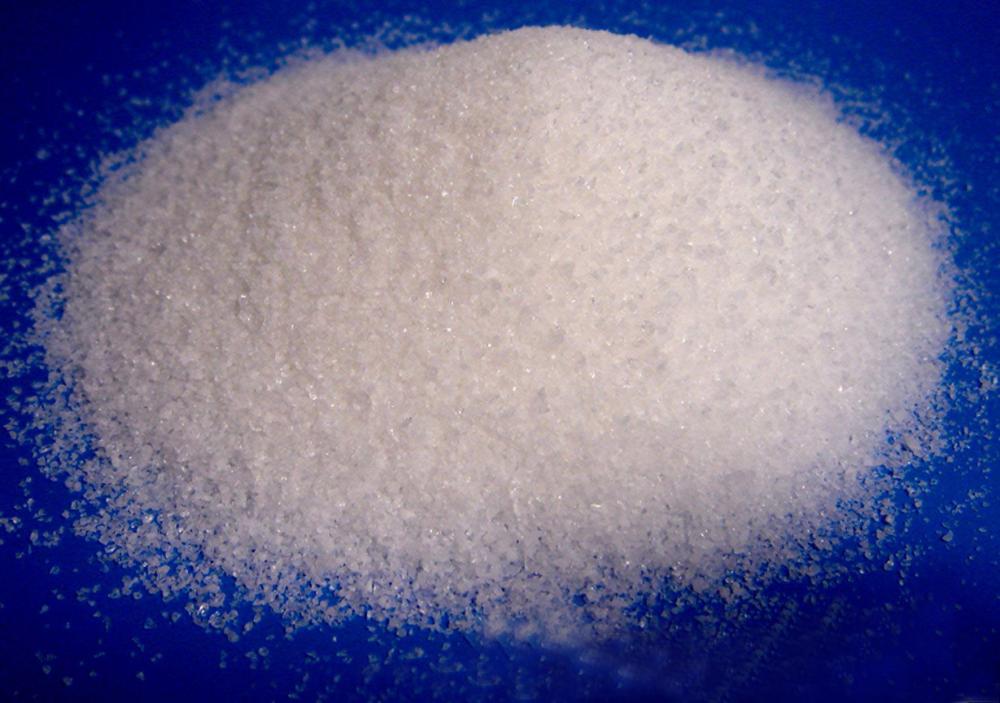
Polyacrylamide, a versatile synthetic polymer, is renowned for its exceptional water-absorbing and thickening properties, making it a critical component across diverse industrial sectors. Widely employed in wastewater treatment, agriculture, petroleum recovery, and paper manufacturing, this polymer enhances process efficiency and product quality. Understanding the multifaceted uses, production trends, and regional behaviors of polyacrylamide offers valuable insights into its growing demand and evolving technologies.
Comprehensive Overview of Polyacrylamide Uses in Various Industries
Polyacrylamide serves primarily as a flocculant and thickening agent, pivotal for solid-liquid separation processes. In wastewater treatment plants, it facilitates the aggregation of suspended solids and contaminants, improving the clarification and purification of water. This function is vital for municipal and industrial effluent management, particularly in textile, mining, and chemical processing industries.
In agriculture, polyacrylamide is applied as a soil conditioner that enhances water retention, reducing irrigation frequency and preventing soil erosion. It aids in sustaining crop yields in arid and semi-arid regions by improving soil structure and moisture conservation. Meanwhile, in oil extraction, polyacrylamide-based polymers are integral to enhanced oil recovery techniques, increasing extraction efficiency from mature reservoirs through improved fluidity and displacement mechanisms.
Additionally, the paper manufacturing industry utilizes polyacrylamide to increase fiber retention and improve paper quality. Its application extends to cosmetic formulations and hygiene products, emphasizing the polymer’s broad industrial relevance.
Production Technologies and Types of Polyacrylamide Polymers
Polyacrylamide is synthesized through free radical polymerization of acrylamide monomers. Variations in polymerization methods result in different molecular weights and ionic forms—non-ionic, anionic, and cationic—which determine the polymer’s performance in various applications. Non-ionic polyacrylamides are commonly used where neutrality is required, such as in water treatment, while anionic and cationic forms are selected based on the ionic nature of the substrate or contaminants.
The molecular weight and charge density customization allow manufacturers to tailor polymers for specific industrial needs. Advances in production include environmentally friendly manufacturing processes that minimize residual acrylamide monomers, ensuring safer applications, particularly where human and environmental exposure is a concern.
Key End-Use s Driving Polyacrylamide Growth
Geographically, Asia Pacific dominates the polyacrylamide consumption landscape due to rapid industrialization, increasing municipal wastewater management initiatives, and expanding agricultural practices. China and India particularly lead with substantial investments in infrastructure and environmental sanitation projects, driving polymer demand.
North America and Europe hold significant shares, driven by stringent environmental regulations mandating effective water treatment practices and sustainable agriculture methods. The rise of shale oil production in the United States further fuels polyacrylamide use in enhanced oil recovery.
Moreover, emerging economies in Latin America and the Middle East are exhibiting growing adoption rates, propelled by urbanization and the industrial sector’s expansion. Governments’ increasing focus on addressing water scarcity and soil degradation further propels polyacrylamide utilization, owing to its multifunctional benefits.
Commercial Overview: Polyacrylamide Players and Competitive Strategies
The global polyacrylamide is characterized by the presence of key chemical manufacturers, specialized polymer producers, and diversified companies adopting aggressive growth strategies. Leading enterprises focus on capacity expansions, product innovations, and strategic partnerships to capture larger shares. Customized polyacrylamide solutions for industry-specific applications are intensively developed to maintain competitive advantages.
Price competitiveness, improved polymer efficacy, and adherence to environmental compliance form the core of the commercial strategies deployed by leaders. The introduction of bio-based and biodegradable alternatives also marks a significant trend within the commercial sector, responding to growing sustainability concerns.
Transactional Aspects: Purchasing Trends and Supply Chain Dynamics in Polyacrylamide
Polyacrylamide purchasing involves multiple transaction models, including bulk procurement by large industrial users and smaller quantities for specialty applications. Supply chain logistics are influenced by raw material availability—primarily acrylamide monomer—and regional manufacturing footprints. Global supply networks adapt to fluctuating demand cycles seen in agricultural seasons and industrial output variations.
Distributors and wholesalers play a critical role, providing localized access to polyacrylamide grades suited for specific processes. Online procurement platforms are gaining traction, streamlining purchase processes and improving transparency in pricing and delivery schedules.
Understanding transactional trends in different regions assists buyers in timing purchases effectively, optimizing inventory levels, and leveraging favorable contract terms with suppliers.
Get This Report in Japanese Language - ポリアクリルアミド
Get This Report in Korean Language - 폴리아크릴아마이드
Read More Articles Related to this Industry -
Types of Agrochemicals and Their Role in Modern Farming
The Impact of Agrochemicals on Soil Health and Crop Yield
About Author:
Priya Pandey is a dynamic and passionate editor with over three years of expertise in content editing and proofreading. Holding a bachelor's degree in biotechnology, Priya has a knack for making the content engaging. Her diverse portfolio includes editing documents across different industries, including food and beverages, information and technology, healthcare, chemical and materials, etc. Priya's meticulous attention to detail and commitment to excellence make her an invaluable asset in the world of content creation and refinement.
(LinkedIn- https://www.linkedin.com/in/priya-pandey-8417a8173/)