Infusion Pumps: Revolutionizing Patient Care Delivery

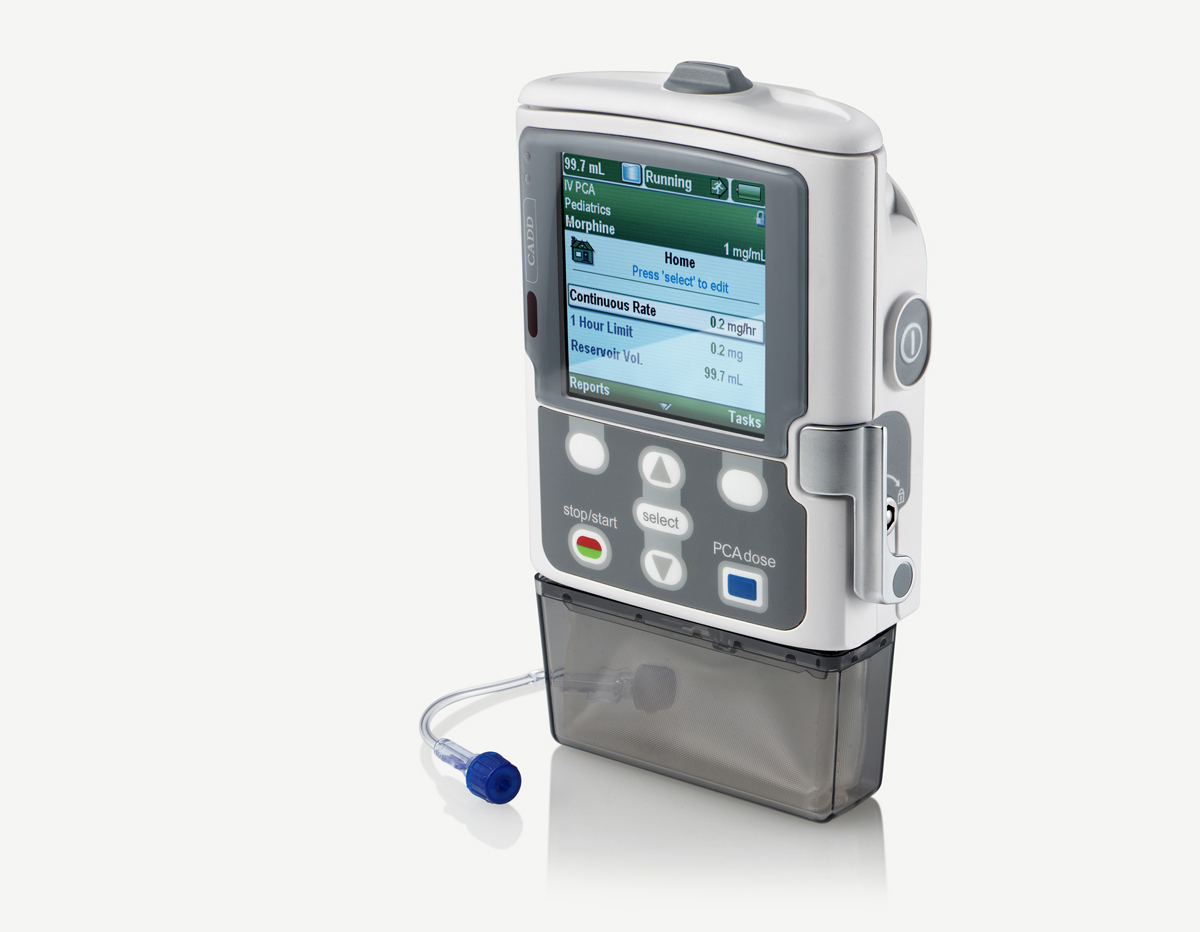
Infusion pumps have greatly transformed the way medications are delivered to patients in healthcare facilities. These computerized devices have allowed for more precise, controlled and automated delivery of fluids, nutrients, medications and blood products to patients. In this article, we will explore how infusion pumps work, their various types and applications, benefits they provide as well as recent advances driving further innovation in this field.
How Infusion Pumps Work
Most modern infusion pumps work on the principle of volumetric positive displacement. They contain a precise motorized syringe or piston pump that pushes the fluid or medication out in small, controlled amounts from flexible tubing connected to an intravenous catheter placed in the patient's vein. The pumps are powered by batteries and programmed via an interface to deliver fluids at specific flow rates and in pre-set volumes over time.
Advanced infusion pumps contain microprocessors that allow customizable delivery protocols and complex dosing algorithms. They also have safety features such as automated volume limits, alarms for blocked lines or air bubbles. Many pumps can even be networked to hospital electronic health records and pharmacy systems for increased safety and workflow efficiency.
Types of Infusion Pumps
There are different types of Infusion Pumps suited for various clinical applications:
- Syringe pumps: These use pre-filled syringes to deliver fluids, medications or blood transfusions. They are portable and ideal for ambulatory patients.
- Elastomeric pumps: Self-powered pumps that use elastomeric balloons or bags to slowly infuse fluids. They do not require batteries or electricity.
- Insulin pumps: Specifically designed portable pumps that deliver insulin doses to manage diabetes.
- PCA (patient-controlled analgesia) pumps: Allow patients to self-administer bolus doses of pain medications by pushing a button as needed.
- Epidural pumps: Used for administering anesthetics or analgesics into the epidural space during labor, surgical procedures or post-operative pain management.
- Implantable pumps: Miniaturized pumps surgically placed inside the body to deliver drugs directly into tissues or organs over extended periods. Used for conditions like chronic pain or cancer.
Applications and Benefits in Hospitals
Infusion pumps have become ubiquitous in hospitals where they are used across various clinical departments for many indications. Some major applications include:
- ICUs (intensive care units): For intravenous delivery of nutrients, medications, blood products and fluids to critically ill or unstable patients who need close monitoring.
- Operating rooms and recovery areas: For administering intravenous or epidural anesthesia, sedatives, analgesics during and after surgeries or procedures.
- Oncology departments: For outpatient chemotherapy administration via portable pumps or implanted pumps for long-term pain control.
- Pediatrics: To precisely dose medications, especially for small children and newborns in neonatal units.
- General medical/surgical floors: For routine hydration and antibiotic therapy of non-critical adult patients.
The key benefits infusion pumps provide hospitals include standardizing medication dosing, reducing risks of human errors, freeing up nursing staff for other duties, keeping meticulous delivery records, and enabling complex or high-risk therapies previously not feasible without pumps. This has translated to improved clinical outcomes, higher patient satisfaction as well as reduced costs associated with medical errors and lengthy hospital stays.
Recent Advances in Infusion Pump Technology
Infusion pump technology continues evolving rapidly with several recent key developments:
- Smart pumps: Integrate clinical decision support tools to provide dose and programming checks, warned of incompatible drugs and automatically halt infusions if issues occur. This significantly reduces pump programming errors.
- Specialty pumps: Newer models target niche areas like chemotherapy, TPN nutrition, analgesia, pediatrics, home care with special features and interfaces tailored for these applications.
- Connected pumps: Capable of wireless data transfer to electronic health records for true interoperability. Allows remote monitoring and oversight of pumps located within hospital as well as in home settings.
- Closed-loop control: Advanced “artificial pancreas” insulin pumps contain algorithms automatically regulating insulin doses based on continuous glucose monitoring sensors for superior diabetes management. Research aims to expand this to other conditions.
- Patch pumps: Transdermal pumps successfully deliver drugs through the skin, eliminating intravenous access needs. Promising for conditions where regular bolus injections are inconvenient.
- Ambulatory pumps: A miniaturized generation offers increased portability for truly mobile patients requiring long-term infusions outside hospitals. Their market share is rapidly growing.
In summary, infusion pumps have revolutionized medication administration workflows in healthcare through standardized, controlled and automated dosing capabilities. Constant technology evolution now enables even more personalized, precise and interconnected care. As pumps become smarter through integration of clinical decision support, connectivity and advanced control algorithms, they promise to expand therapy options for more diseases and settings of care. Infusion pumps will undoubtedly remain a mainstay technology transforming how treatment is delivered to patients globally for the foreseeable future.