Industrial Flooring: Essential for Safety, Efficiency and Longevity in the Workplace

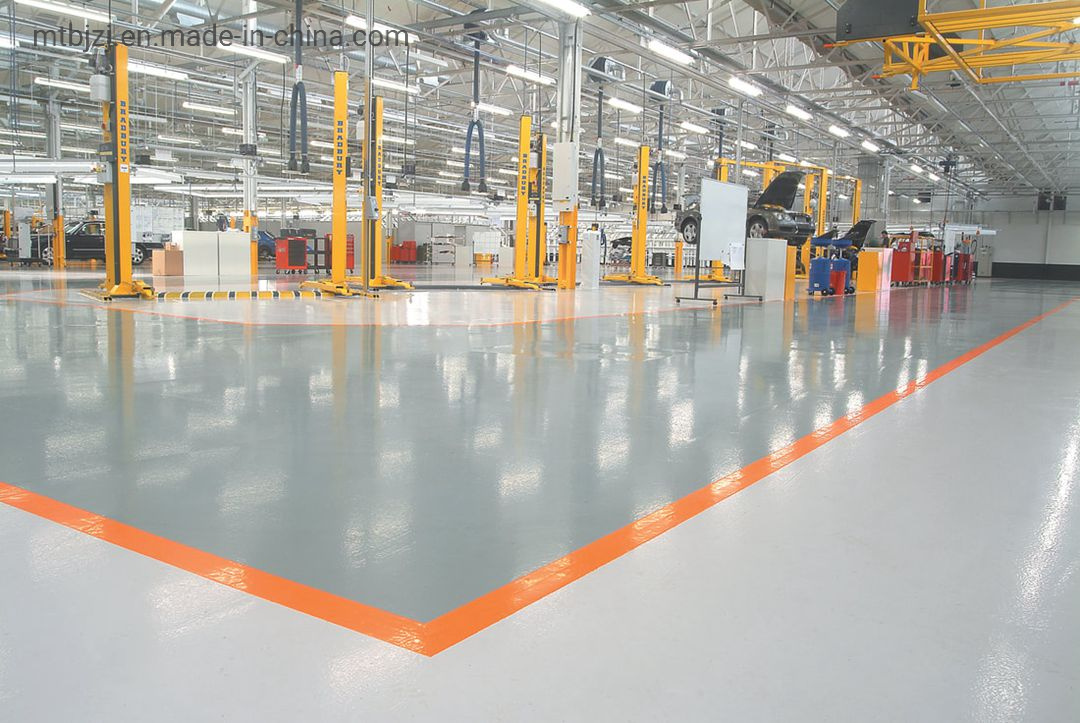
Industrial floors are one of the most crucial yet often overlooked elements of any commercial or industrial facility. The floor serves as the foundation for all operations, from material handling and assembly to storage and shipping. As such, investing in high-quality industrial flooring makes good business sense to maximize safety, productivity and the lifespan of the facility. This article explores the various industrial flooring options and considerations for selecting the right solution.
Types of Industrial Flooring
There are several flooring materials commonly used in industrial environments depending on the specific application and requirements. Let's take a look at some of the main options:
Concrete
- Plain concrete is a very durable and affordable option as the basic warehouse or factory floor. However, it offers little or no slip resistance and can deteriorate over time without protective coatings.
Epoxy Flooring
- Epoxy resin coatings applied over concrete form a hard, chemical- and impact-resistant surface ideal for heavy duty use. Multiple color and finish options provide aesthetic benefits along with ease of cleaning and maintenance.
Polymer Flooring
- Similar to epoxy but made of advanced polymers that offer even greater chemical resistance, strength and flexibility. Polymer floors hold up extremely well in demanding food processing and chemical handling facilities.
Cementitious Overlays
- Also applied over concrete, cementitious toppings contain epoxy or polyurethane binders for enhanced durability. They tend to be more slip-resistant and suitable for damp environments compared to bare concrete.
Vinyl/Rubber Flooring
- Made of polyvinyl chloride (PVC) or natural/synthetic rubber composites, these rolls and tiles provide cushioning and anti-fatigue properties along with chemical resistance. Common in automotive repair shops.
Grates and Gratings
- Perforated metal plate flooring allows light, people and equipment to pass through easily for applications like mezzanines or drainage requirements. Offers extreme durability.
Considerations for Industrial Flooring Selection
When evaluating options for your industrial facility's floors, it's important to consider:
- Traffic Levels - How much foot and equipment traffic will the floor see on a daily basis? Heavy traffic areas require extra tough, slip-resistant surfacing.
- Material Handling - What types of items will be transported over the floor? Acids, oils, chemicals? The floor needs sufficient chemical resistance properties.
- Aesthetics - Plain concrete may suffice in a warehouse but attractive, colorfast options boost morale in work areas.
- Slip Resistance - OSHA standards demand minimal coefficients of friction to prevent slips and falls, especially in wet areas.
- Temperature Tolerances - If heat or freezing conditions are present, ensure flooring can withstand thermal cycling.
- Drainage & Cleaning - Impervious surfaces like epoxy allow hosedown cleaning and safe drainage of fluids.
- Budget - Cost per square foot can vary greatly so assess budget against specific usage requirements.
- Lifespan - Consider a floor's proven track record, any warranty coverage and long-term durability for your facility's needs.
Large-scale industrial flooring projects also require comprehensive surface preparation and expert installation for maximum performance and return on investment over time. An experienced contractor can evaluate your unique application and specifications to recommend the ideal solution.
The Safety and Productivity Advantages of Quality Industrial Flooring
When done right from the start, high-quality industrial Industrial Flooring pays dividends in safety, efficiency and reduced total operating costs compared to cheap, inadequate surfaces. Let's explore some key workplace advantages:
Slip-and-Fall Prevention
- Properly textured, slip-resistant flooring is essential to protecting workers from easy injuries caused by liquids or other spills that could result in lost time, medical expenses and liability issues.
Ergonomic Comfort
- Softer, cushioned floors like rubber and vinyl promote better circulation and reduce fatigue from extensive time on feet—ultimately boosting productivity and job satisfaction.
Ease of Cleaning
- Impervious, joint-free epoxy and polymer floors allow for daily hosedown cleaning to maintain sanitary conditions important for food processing and other industries. This supports overall hygiene.
Long Lifespan
- Investing in a durable floor with a 15-20 year lifespan means less disruption and expense from premature replacement—saving money over the long run compared to temporary surfaces.
Floor Protection Beyond Use
- Some coatings like clear epoxy seals provide an extra barrier that holds up longer even after the primary process flooring wears out, extending overall system life.
Get more insights on Industrial Flooring