Increasing Power Generation of Steam Turbine Market

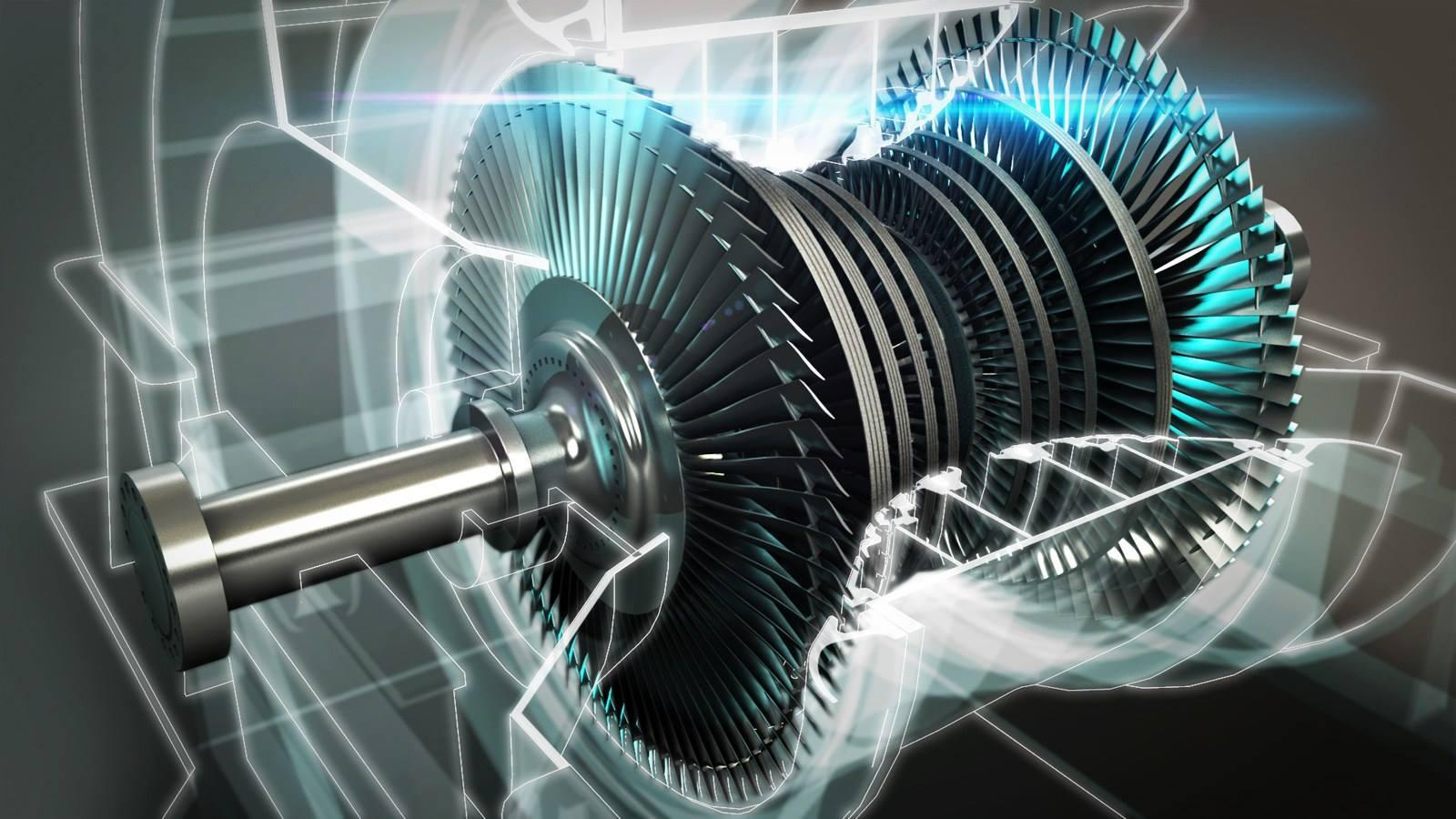
Steam turbines are a type of heat engine that extracts thermal energy from pressurized steam and converts it into mechanical work. It is mainly used in power plants for electricity generation and by industrial concerns for mechanical power applications such as power a generator or propel ships. Steam turbine has a series of blades attached to a rotor, placed inside a housing. When high-pressure steam enters the blades, the rotor will be forced to spin and convert the thermal energy into mechanical energy which can then be used to power electric generators or propel ships.
The global steam turbine market is estimated to be valued at US$ 16.63 Bn in 2023 and is expected to exhibit a CAGR of 7.3% over the forecast period 2023 to 2030, as highlighted in a new report published by Coherent Market Insights.
Market Dynamics:
One of the key drivers for the growth of the Steam Turbine Market is increasing power generation. With rapid urbanization and industrial development, the demand for power has increased significantly across the globe. Steam turbines are predominantly used in thermal power plants which generate around 80% of the total electricity produced globally. With rising demand for electricity, old coal-fired power plants based on steam turbines are being uprated or new power plants are being set up, which is driving the demand for steam turbines in the market. Growing demand for cogeneration and combined heat and power generation will also propel the market growth over the forecast period.
SWOT Analysis
Strength: Steam turbine market has significant benefits like high conversion efficiency and flexibility of operation. Steam turbines are widely used in power plants as they can burn a variety of fuels from coal to natural gas. They are also highly reliable and have a long service life. Steam turbines help reduce emissions through cleaner fuels and maintain grid stability through ancillary services.
Weakness: Steam turbines require large initial investments and have high maintenance costs. The construction of new power plants takes significant time. Steam turbines are bulky in size which makes transportation difficult. They also require a consistent supply of water for cooling which can be an issue in water-scarce regions.
Opportunity: Rising focus on renewable energy integration is driving opportunities for flexible power generation. Steam turbines help balance the intermittent supply of solar and wind power. Growing industrialization in developing nations will augment the demand for reliable power supply. Governments are promoting cleaner power solutions to meet climate targets which can boost the steam turbine market.
Threats: Strict environmental norms pose compliance challenges for old coal-fired plants. Rising share of decentralized renewables and energy storage solutions threaten the baseload operations of thermal power. Trade conflicts and geopolitical uncertainties impact capital investments. Emerging technologies like microturbines and fuel cells pose competition in some application areas.
Key Takeaways
The Global Steam Turbine Market Demand is expected to witness high growth over the forecast period supported by rising energy demand and clean power policies.
Regional Analysis: The Asia Pacific region dominates the global market currently owing to large coal-based capacity additions in China and India. Countries like China, India, Japan, and South Korea are focusing on modernizing aging coal plants with efficient supercritical turbines to reduce emissions. This presents lucrative opportunities for OEMs in the region to supply upgrades and replacement turbines.
Key players operating in the steam turbine market are Neuro Care Group, Myndlift Ltd, Brainmaster Technologies, Inc., Mitsar Co. Ltd, Emotiv, Brainworks, Mindfield Biosystems Ltd. , Narbis, Thought Technology Ltd., InteraXon Inc., Mind Media USA Inc., and NeuralScan. These companies are focusing on developing highly efficient ultra-supercritical and supercritical steam turbines to help utilities optimize plant performance. OEMs are also offering digital solutions and remote monitoring services to improve asset management. Partnerships with engineering firms enable delivery of turnkey power projects. Going forward, innovations in materials and turbine design will be crucial for players to sustain in the competitive market landscape.
Explore more information on this topic, Please visit -
https://www.pressreleasebulletin.com/steam-turbine-market-share-and-demand-analysis/