The Impact of Europe Fast Fashion on Industry

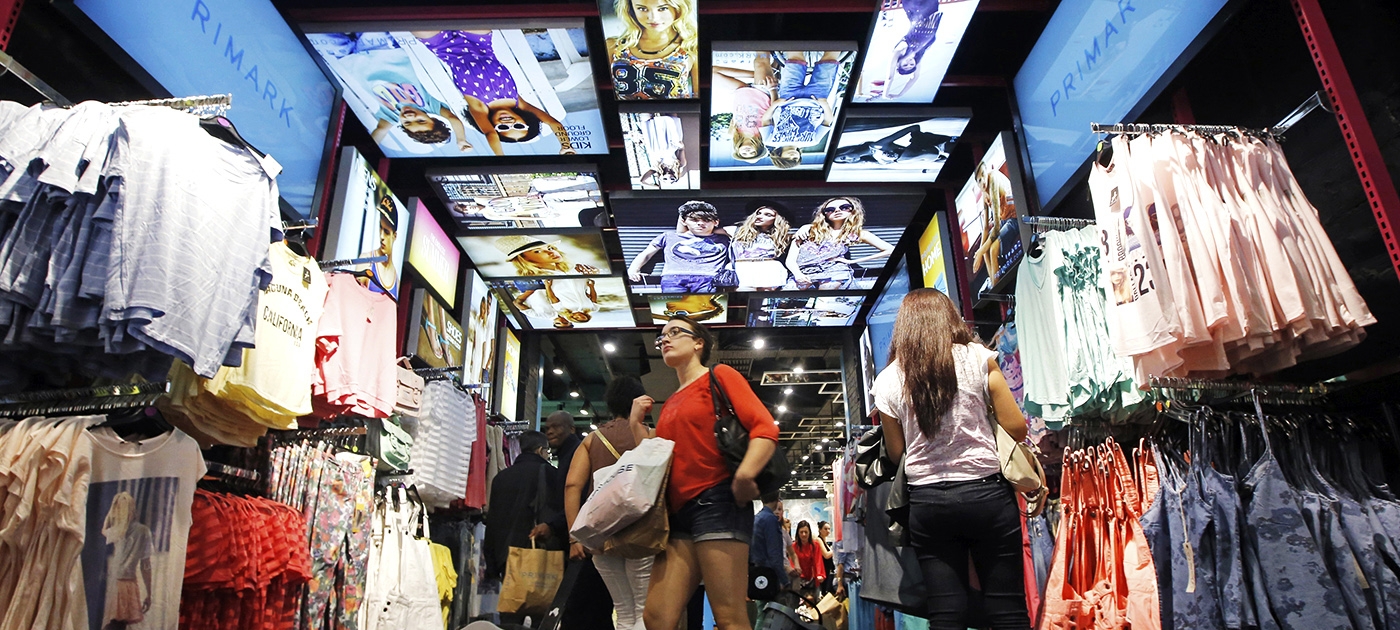
Fast fashion has become a dominant force in Europe's fashion industry, driving trends, shaping consumer behavior, and transforming the way clothing is produced, distributed, and consumed. With its emphasis on speed, affordability, and disposable fashion, fast fashion has revolutionized the way Europeans shop for clothing and accessories. In this article, we'll explore the impact of fast fashion on Europe's fashion industry, including its economic significance, environmental footprint, and social implications.
1. Economic Significance:
Europe Fast Fashion plays a significant role in Europe's fashion industry, generating billions of euros in revenue each year and supporting millions of jobs across the continent. With its rapid production cycles, low-cost manufacturing, and global supply chains, fast fashion brands have become major players in the European retail landscape, driving innovation, competition, and consumer choice.
2. Changing Consumer Behavior:
The rise of fast fashion has fundamentally altered consumer behavior in Europe, shaping preferences, expectations, and purchasing habits. With the constant influx of new styles and affordable price points, consumers have been conditioned to expect instant gratification and frequent wardrobe updates. This culture of "fast fashion" has fueled a cycle of overconsumption, waste, and environmental degradation, contributing to the depletion of natural resources and the pollution of ecosystems.
3. Environmental Impact:
One of the most significant challenges associated with fast fashion is its environmental footprint. The industry is notorious for its high carbon emissions, water consumption, and waste generation, stemming from the production, transportation, and disposal of clothing. From the extraction of raw materials to the manufacturing process and end-of-life disposal, fast fashion contributes to pollution, deforestation, and habitat destruction, exacerbating the climate crisis and threatening biodiversity.
4. Social Implications:
In addition to its environmental impact, fast fashion also raises concerns about labor rights, worker conditions, and social justice. Many fast fashion brands rely on low-wage labor in developing countries to produce clothing under often exploitative conditions. Workers in garment factories are often subject to long hours, low wages, unsafe working conditions, and lack of job security, leading to widespread labor rights violations and worker exploitation.
5. Towards a More Sustainable Future:
Despite these challenges, there is growing momentum for change within the fashion industry, with increasing awareness and activism driving demand for more sustainable and ethical practices. Many European fashion brands are taking steps to address environmental and social concerns, including initiatives to reduce carbon emissions, minimize waste, improve supply chain transparency, and promote fair labor practices. Some brands are investing in sustainable materials, such as organic cotton and recycled polyester, while others are exploring alternative business models, such as rental and resale platforms.
6. The Role of Regulation and Policy:
In addition to voluntary industry initiatives, there is also a role for regulation and policy to drive systemic change within the fashion industry. Governments can implement laws and regulations to enforce labor standards, protect workers' rights, and hold companies accountable for their environmental and social impacts. By creating a supportive regulatory framework and incentivizing sustainable practices, policymakers can help accelerate the transition to a more ethical and sustainable fashion industry.
7. Empowering Consumers:
Ultimately, the transition to a more sustainable fashion industry will require collective action from all stakeholders, including consumers. By making informed choices, supporting ethical and sustainable brands, and demanding greater transparency and accountability, consumers can drive positive change within the industry. This includes buying less, choosing quality over quantity, and extending the lifespan of clothing through repair, resale, and recycling.
Fast fashion has had a profound impact on Europe's fashion industry, shaping consumer behavior, driving economic growth, and raising important questions about sustainability and ethics. While the industry faces significant challenges in terms of its environmental and social impact, there is growing momentum for change, with increasing awareness and activism pushing companies to adopt more responsible practices. By working together, stakeholders can create a fashion industry that is both stylish and sustainable, ensuring a brighter future for generations to come.
Get more insights, On Europe Fast Fashion