How Fog Computing Enhances Real-Time Data Processing and Connectivity

Fog computing is rapidly becoming a pivotal technology in the digital transformation journey of multiple industries. It extends cloud capabilities to the edge of the network, enabling faster processing, reduced latency, and smarter decision-making closer to the data source. This computing paradigm addresses the growing demand for real-time analytics, especially with the proliferation of Internet of Things (IoT) devices generating massive amounts of data. Understanding fog computing’s architecture, benefits, and key applications is essential for industries aiming to optimize their digital infrastructure for superior performance and scalability.
Understanding Fog Computing Architecture and Its Core Components
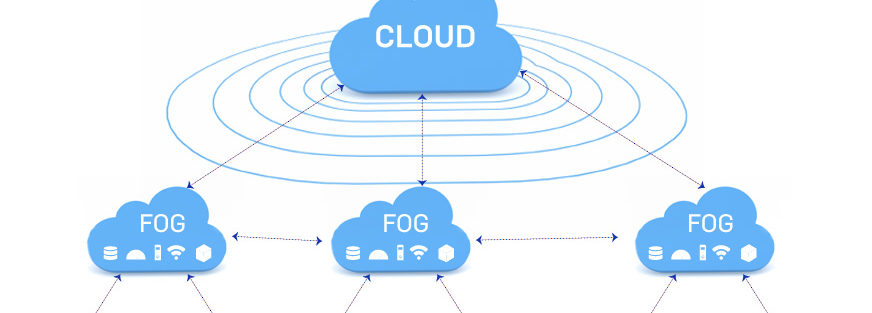
Fog computing, sometimes referred to as edge or fog networking, operates by decentralizing computing power from centralized cloud servers to localized devices such as routers, switches, and gateways. This architecture allows for intermediate data processing, filtering, and management between IoT endpoints and the cloud, significantly reducing the need to transmit all raw data to remote data centers. Core components of fog computing include fog nodes, which are the processing units located at the network edge, and fog orchestrators that manage data flow and resource allocation. This layered approach ensures efficient handling of latency-sensitive applications by minimizing bandwidth consumption and improving overall network resilience.
Key Benefits and Advantageous Use Cases of Fog Computing Technology
One of the primary advantages of Fog Computing is its ability to provide real-time analytics and responses, crucial for sectors such as smart manufacturing, autonomous vehicles, and smart cities. By processing data locally, fog computing ensures ultra-low latency which is vital for applications where delay can lead to significant operational risks. For example, in industrial automation, real-time monitoring systems can immediately detect anomalies, reducing downtime and enhancing safety. Additionally, fog computing improves data security by limiting exposure through localized data processing, meaning sensitive information doesn’t always have to travel back and forth over potentially vulnerable networks. This capability is transforming sectors such as healthcare, where patient data privacy and immediacy are critical.
How Fog Computing Impacts IoT Deployment and Network Efficiency
The synergy between IoT and fog computing is a defining factor for the future of connected ecosystems. IoT devices generate enormous volumes of data that, if sent directly to the cloud, can strain network bandwidth and provoke latency challenges. Fog computing alleviates this problem by pre-processing data near the source, allowing for intelligent data filtering and faster transmission of only relevant information to cloud platforms. This enhances network efficiency and reduces operational costs. Moreover, fog computing facilitates improved scalability of IoT systems, supporting the massive proliferation of smart devices while maintaining high service quality standards and robust connectivity.
Commercial Applications Driving the Global Expansion of Fog Computing Markets
Industries leveraging fog computing technologies witness substantial commercial benefits through optimized operational workflows and enhanced customer experiences. In retail, for instance, fog computing supports real-time inventory management and dynamic pricing by processing data insights instantaneously at store locations. In logistics and supply chain management, fog-powered tracking and monitoring improve asset visibility and streamline distribution networks. Moreover, telecommunication service providers integrate fog computing to offer edge cloud services, enabling faster content delivery and improved latency. These commercial applications underline the growing demand for fog computing as enterprises seek competitive advantages by embracing distributed computing architectures.
Transactional Opportunities in Fog Computing Infrastructure and Deployment Services
The rising interest in fog computing infrastructure has opened numerous transactional opportunities spanning hardware, software, and managed services sectors. Demand for edge servers, network gateways, and fog orchestration platforms is increasing as organizations look to deploy scalable fog environments tailored to specific operational needs. Service providers are offering deployment, maintenance, and integration expertise that facilitate seamless fog computing adoption in enterprise environments. Moreover, contracts for customized fog solutions often involve collaboration between IT vendors and sector specialists to ensure compliance, security, and performance metrics are met. These transactional trends highlight active commercial engagement and investment flows in the fog computing ecosystem.
Fog computing represents a transformative approach that enhances the processing and management of data closer to the point of generation. With its ability to reduce latency, increase security, and bolster network efficiency, fog computing is integral to unlocking the full potential of digital innovation across global industries. Access to detailed market insights and trend analyses will continue to support stakeholders in navigating this evolving technology landscape and capitalizing on its commercial possibilities.
Get This Report in Japanese Language -フォグコンピューティング
Get This Report in Korean Language -포그 컴퓨팅
Read More Articles Related to this Industry –
How ICT Companies Can Leverage Google Business Profile for Local SEO Success
How Predictive Maintenance is Revolutionizing Industrial IoT
Prescriptive Analytics vs. Predictive Analytics: Key Differences and Applications
About Author:
Priya Pandey is a dynamic and passionate editor with over three years of expertise in content editing and proofreading. Holding a bachelor's degree in biotechnology, Priya has a knack for making the content engaging. Her diverse portfolio includes editing documents across different industries, including food and beverages, information and technology, healthcare, chemical and materials, etc. Priya's meticulous attention to detail and commitment to excellence make her an invaluable asset in the world of content creation and refinement.
(LinkedIn- https://www.linkedin.com/in/priya-pandey-8417a8173/)