How Evaporative Cooling is Gaining Popularity in Various Industries

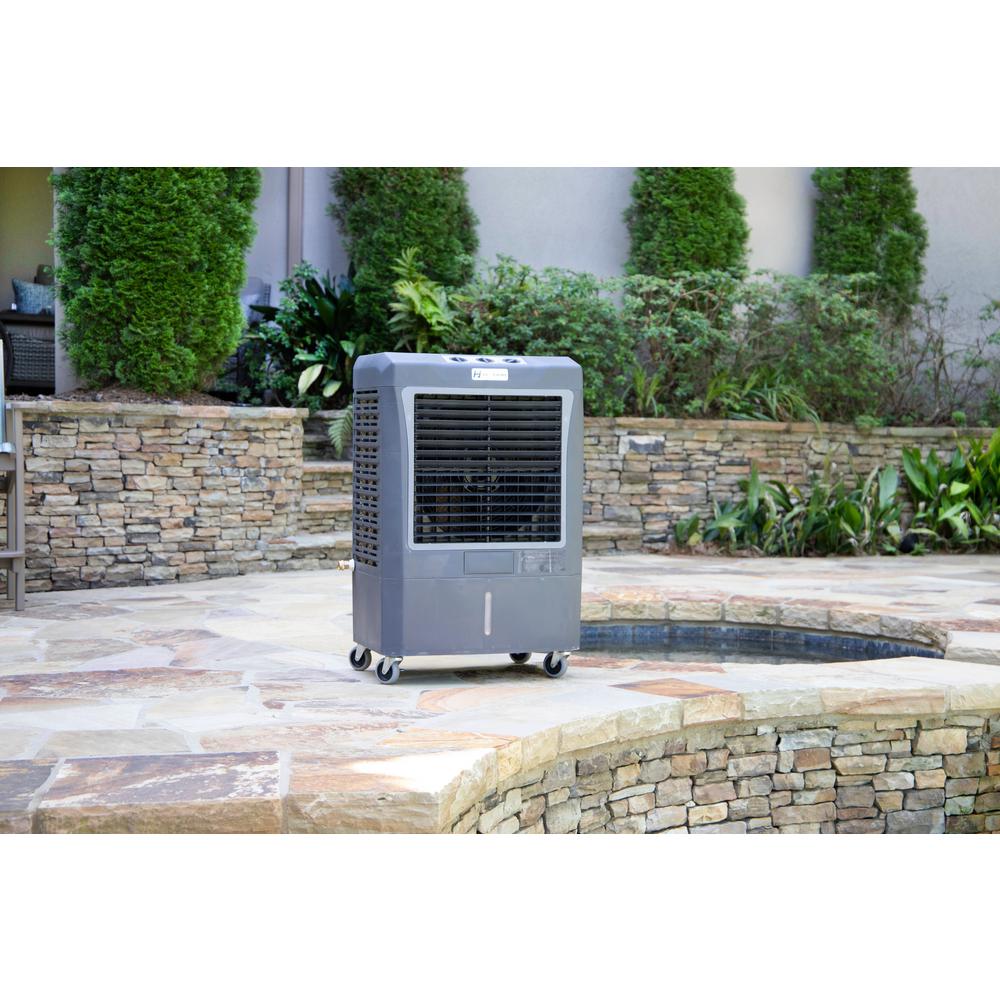
Introduction to Evaporative Cooling
Evaporative cooling is a technology that lowers the temperature of air through the evaporation of water. As warm dry air passes over a wetted surface, the water evaporates, which causes cooling through the transfer of heat from the air to the water. This process relies on heat transfer via the evaporation of liquid to cool objects below the wet-bulb temperature of the air.
Benefits of Evaporative Cooling
There are several key benefits that evaporative cooling provides compared to traditional air conditioning:
Lower Cost of Operation
Evaporative cooling systems are significantly more cost-effective to operate compared to air conditioners that use vapor-compression refrigeration cycles. By utilizing a natural cooling process, it requires less energy to run and reduces operational expenses. For commercial and industrial applications, this can translate to substantial savings over time.
Increased Sustainability
Since evaporative cooling uses water evaporation rather than chemicals in refrigerants, it has a much smaller environmental impact. There are no ozone-depleting chemicals or greenhouse gases emitted during operation. The only resource consumed is water, and it contributes far less to global warming than air conditioning. This makes evaporative cooling a greener alternative.
Works Well in Dry Climates
Evaporative Cooling works best in arid climates that experience low relative humidity levels. On hot, dry days the temperature drop can be as much as 40°F or more. This makes it highly suitable for areas that see large temperature swings between day and night such as the American Southwest. Traditional air conditioning is less effective in these very hot and dry conditions.
Uses in Commercial Buildings
Evaporative cooling technology finds many applications in larger commercial facilities due to its low energy usage and operational cost savings potential. Common uses include cooling in warehouses, manufacturing plants, office buildings, schools, retail stores, and more. Industries that benefit include construction, food processing, distribution centers, and manufacturing.
Applications in Industrial Settings
Evaporative cooling is particularly well-suited for challenging industrial applications involving machinery or processed that generate heat. Some common industrial uses include:
Cooling of Manufacturing Equipment
The high heat outputs from metalworking machinery, plastic fabricating equipment, and other industrial processes often require cooling. Evaporative coolers provide an effective way to lower air temperature surrounding production lines and individual machines to prevent overheating.
Refrigerated Warehouses
The condenser units for refrigeration in cold storage warehouses benefit greatly from evaporative cooling. By blowing cooled air over condenser coils, it improves efficiency and lowers year-round costs compared to air conditioning alone.
Ventilation in Food Processing
Food processing facilities like meatpacking plants deal with large heat loads from equipment, refrigeration, and the working environment. Evaporative coolers maintain comfortable indoor air within ventilation systems.
Data Centers & Server Rooms
Even in more technical industrial settings, evaporative cooling technology efficiently regulates air temperatures where high-density computing equipment is in use. It keeps server rooms and data centers at optimum operating conditions.
Alternative to Industrial Air Conditioning
For the high thermal loads associated with industrial activities, evaporative cooling effectively replaces conventional air conditioning as the temperature control solution. The cost reductions are substantial for manufacturing and processing enterprises.
Adoption in Agricultural Applications
Outside of commercial facilities, evaporative cooling has also found agricultural applications where temperature control is needed:
Dairy Barns & Livestock Shelters
The comfort and health of dairy cows and other livestock benefits from naturally cooled air circulation within barns and enclosures. This reduces heat stress compared to natural ventilation alone.
Greenhouse Environmental Control
In large vegetable and flower greenhouses, evaporative pads maintain optimal growing conditions year-round while conserving energy over mechanical cooling systems.
Crop Storage & Processing
For storing, processing, and packing temperature-sensitive crops like fruits and vegetables, evaporative coolers precisely regulate indoor air to prolong freshness during post-harvest handling.
Looking at the expanding adoption of evaporative cooling across various industries, its benefits of lower costs, energy efficiency and sustainability are driving broader acceptance and use compared to traditional air conditioning approaches. As temperature extremes increase with climate change, demand for this natural cooling technology will likely continue growing in the future.
Get more insights on Evaporative Cooling