Heparin Calcium: A Lifesaving Anticoagulant Drug

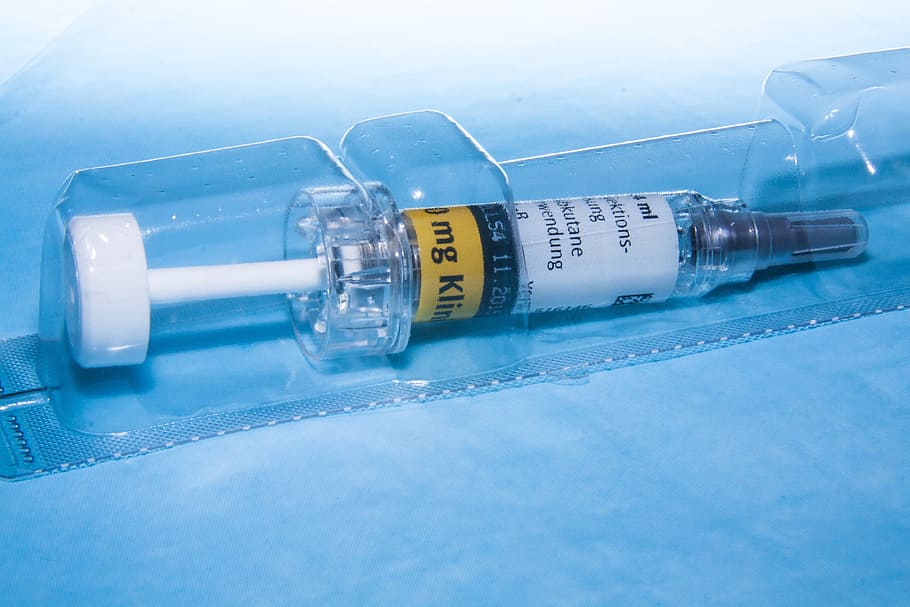
Heparin calcium is a widely used anticoagulant or blood thinner medication. Discovered in the early 1900s, it continues to be one of the most commonly used anticoagulants in medical practice today. Heparin works by inhibiting certain enzymes in the coagulation cascade pathway that are involved in blood clotting. By blocking these enzymes, heparin helps prevent or reduce the formation of blood clots both inside and outside the blood vessels.
Chemical Composition and Source
Heparin Calcium is a glycosaminoglycan composed mainly of polysaccharide chains called heparan sulfate. Naturally found in mast cells and basophils within the body, heparin is derived commercially from porcine intestinal mucosa or bovine lung tissue. Porcine intestinal mucosa remains the primary commercial source. The active form is the sodium salt of heparin which contains sodium cations. To improve bioavailability, pharmaceutical formulations of heparin often use the calcium salt instead of the sodium salt.
Mechanism of Action
Heparin acts as an indirect inhibitor of thrombin, a key enzyme involved in the coagulation cascade pathway. It does this by activating antithrombin III, a natural anticoagulant protein produced by the liver. When heparin binds to antithrombin III, it causes a conformational change that greatly accelerates the rate at which antithrombin III can inactivate factor Xa and thrombin by several thousand folds. Factor Xa and thrombin are important enzymes downstream in the coagulation cascade that activate the conversion of fibrinogen to fibrin which leads to clot formation. By inactivating these enzymes, heparin is able to effectively prevent blood clots from forming.
Indications and Clinical Uses
The most common uses of heparin calcium include treatment and prevention of deep vein thrombosis and pulmonary embolism. It is commonly given through injections before and after major surgeries to prevent clots from forming in the legs or lungs postoperatively. Heparin is also widely employed for treatment of unstable angina and non-ST-elevated myocardial infarction to prevent clots from developing in coronary arteries and worsening heart attack symptoms. It finds additional clinical applications for management of atrial fibrillation, acute coronary syndrome, and renal dialysis circuits to prevent clotting of the dialysis machine.
Administration and Dosing
Heparin calcium is administered parenterally either through subcutaneous or intravenous injection routes. For postoperative thromboprophylaxis, low dose subcutaneous heparin injections ranging from 5000 to 10000 units are given every 8-12 hours. For treatment of venous thromboembolism, intravenous heparin bolus injection of 5000 units followed by continuous intravenous infusion of 18 units/kg/hour is a common regimen titrated to achieve a target activated partial thromboplastin time (aPTT) of 55-85 seconds. Subcutaneous heparin can also be given without bolus, but at higher doses of 20000-30000 units twice daily. Dosing is tailored based on individual clinical condition, age, renal function, concurrent medications and bleeding risks.
Adverse Effects
The main adverse effect of heparin therapy is increased risk of bleeding. This can occur at any tissue site but major concerns are gastrointestinal, genitourinary, intracranial hemorrhages and heparin-induced thrombocytopenia (HIT). HIT is a serious immune-mediated reaction triggered by heparin binding to platelet factor 4. It causes a paradoxical hypercoagulable state with thrombosis. Other side effects include localized bruising, pain, hematoma or bleeding at injection sites, hyperkalemia and increased risk of osteoporosis with prolonged use. Close monitoring of activated partial thromboplastin time and platelet count is important when on heparin therapy to minimize bleeding complications.
Drug Interactions
Heparin calcium potentiates the effects of anticoagulants like warfarin and direct oral anticoagulant drugs by increasing their anticoagulant activity. This increases bleeding risks if not monitored properly. non-steroidal anti-inflammatory drugs, aspirin, thrombolytic agents may also increase the likelihood of bleeding when combined with heparin. Drugs like allopurinol,quinine, morphine and corticosteroids may reduce heparin’s anticoagulant effects by interfering with its action on antithrombin III. Antacids containing aluminum and magnesium impair heparin absorption when administered concurrently. Thus, patients should report all medications to healthcare providers to help avoid potential interactions.
Monitoring of Therapy
Due to the potential for bleeding and interaction with other drugs or foods, it is essential to closely monitor patients on heparin therapy. An international normalized ratio (INR) test is used to monitor long term oral anticoagulant therapy with warfarin. However, for parenteral heparin, coagulation tests like activated partial thromboplastin time (aPTT) and anti-Xa levels are utilized. aPTT monitoring is preferred, with therapeutic range target set between 60-85 seconds. Anti-Xa levels provide more precise measurement of heparin levels with target range of 0.3-0.7 IU/mL. platelet counts should also be checked regularly to detect early signs of heparin induced thrombocytopenia. Dose adjustments and medication reconciliation can then be done accordingly to ensure safe and effective heparin use.
Heparin Alternatives
For patients who cannot tolerate heparin calcium or are at high bleeding risk, low molecular weight heparins like enoxaparin, dalteparin and fondaparinux are viable options. Being shorter polysaccharide chains, they have more predictable pharmacokinetics allowing fixed dosing without monitoring. Direct oral anticoagulants or DOACs like rivaroxaban, apixaban, edoxaban and dabigatran offer oral alternatives without need for monitoring and have overtaken warfarin as first-line options for majority of indications except in dialysis. For HIT patients, non-heparin anticoagul
For Deeper Insights, Find the Report in the Language that You want:
About Author:
Ravina Pandya, Content Writer, has a strong foothold in the market research industry. She specializes in writing well-researched articles from different industries, including food and beverages, information and technology, healthcare, chemical and materials, etc. (https://www.linkedin.com/in/ravina-pandya-1a3984191)