Healthcare Chatbots: Revolutionizing Patient Care and Experience

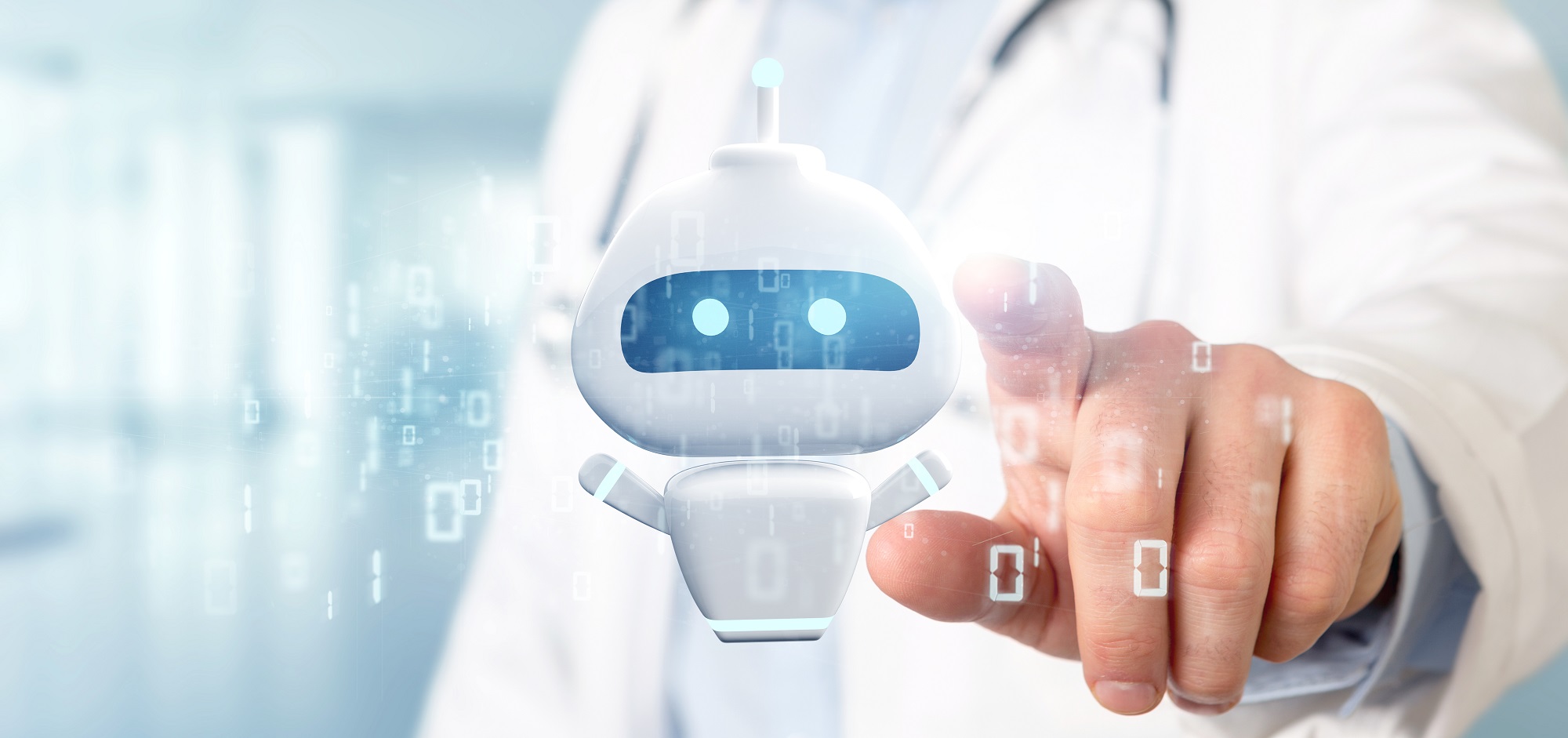
The healthcare industry is undergoing massive technological changes with the rise of artificial intelligence (AI) and bots. Healthcare chatbots are AI-powered conversational agents that utilize natural language processing to assist patients and streamline various healthcare processes. From answering basic medical questions to assisting with appointments and billing, chatbots are playing an increasing role in making healthcare more efficient, affordable and accessible for all.
What is a Healthcare Chatbot?
A healthcare chatbot is a software application that interfaces with patients and healthcare providers through messaging apps, websites or dedicated mobile apps. Using natural language conversations, healthcare chatbots can understand users' medical needs and questions and provide prompt responses. Some key features of healthcare chatbots include:
- 24/7 Availability: Chatbots are available round the clock for users to get medical guidance and support anytime, anywhere without needing human assistance. This helps address issues of access in rural areas with physician shortages.
- Natural Language Conversations: Chatbots understand common language through advanced NLP capabilities and can communicate with patients in a conversational, human-like manner to understand medical issues and provide helpful responses.
- Symptom Checking and Diagnosis Support: By asking questions about symptoms and medical history, some chatbots can provide preliminary diagnosis of common conditions to help users better understand their health issues. This eases some pressure off physicians.
- Healthcare Administrative Tasks: Chatbots assist with various administrative healthcare tasks like answering insurance questions, finding providers, scheduling appointments, reminders for medications and payments. This streamlines workflows.
Improving Patient Experience
Chatbots are improving convenience and the overall patient experience in several ways:
- Quick Medical Guidance: For non-emergency health queries, chatbots provide 24x7 basic medical guidance by understanding symptoms and recommending next steps. This relieves pressure from emergency services.
- Access to Care: In underserved regions, chatbots help improve access to care by enabling virtual consultations for issues that do not require physical exams. This bridges care gaps.
- Personalized Support: Chatbots collect user medical history to provide tailored health guidance, reminders and task management. This delivers proactive, customized care to patients.
- Multilingual Capabilities: Many healthcare chatbots support common languages to address linguistic barriers and make healthcare more inclusive for all communities.
- Streamlined Administrative Workflows: By automating routine tasks, chatbots free up clinician time to focus more on direct patient care responsibilities.
Applications of Healthcare Chatbots
Healthcare Chatbots have a wide range of applications across various industry domains:
- Telehealth: Chatbots assist telehealth providers with non-emergency triage, consultation scheduling and monitoring chronic conditions remotely.
- Hospitals: Used in hospital workflows for tasks like gathering patient history during admission, answering billing/insurance queries, appointment booking etc.
- Clinics and Physician Practices: Chatbots schedule appointments, triage patient issues, send pre/post-visit instructions and collect payments to optimize front/back-office operations.
- Public Health: Useful for health promotion programs, pandemic response like dispelling myths, tracing contacts and vaccination administration support.
- Pharma: Assist pharmacists, fulfill drug/prescription queries, manage refills and adherences to medications.
- Health Insurers: Address policy and coverage questions from customers, process claims and interact with providers on certifications.
Legal and Ethical Considerations
While healthcare chatbots deliver ample benefits, some legal and ethical risks need addressing:
- Clinical Accuracy: Chatbots should not provide actual medical diagnoses and clinical advice without human oversight. Incorrect information can misguide patients.
- Privacy and Security: Patient health data needs robust protections to ensure privacy and prevent breaches as chatbots collect, analyze and share such sensitive information.
- Transparency on Limitations: Chatbot interactions must make users aware of scope and system limitations upfront to avoid potential harms from incomplete or wrong guidance.
- Algorithmic Bias: If chatbot training datasets reflect biases toward certain groups, the algorithms risk exacerbating existing healthcare inequities for underserved communities.
Explore more information on this topic, Please visit -
https://www.newswirestats.com/healthcare-chatbots-market-size-and-trends-analysis/