The Growing Snack Products: Changing Consumer Trends and Preferences

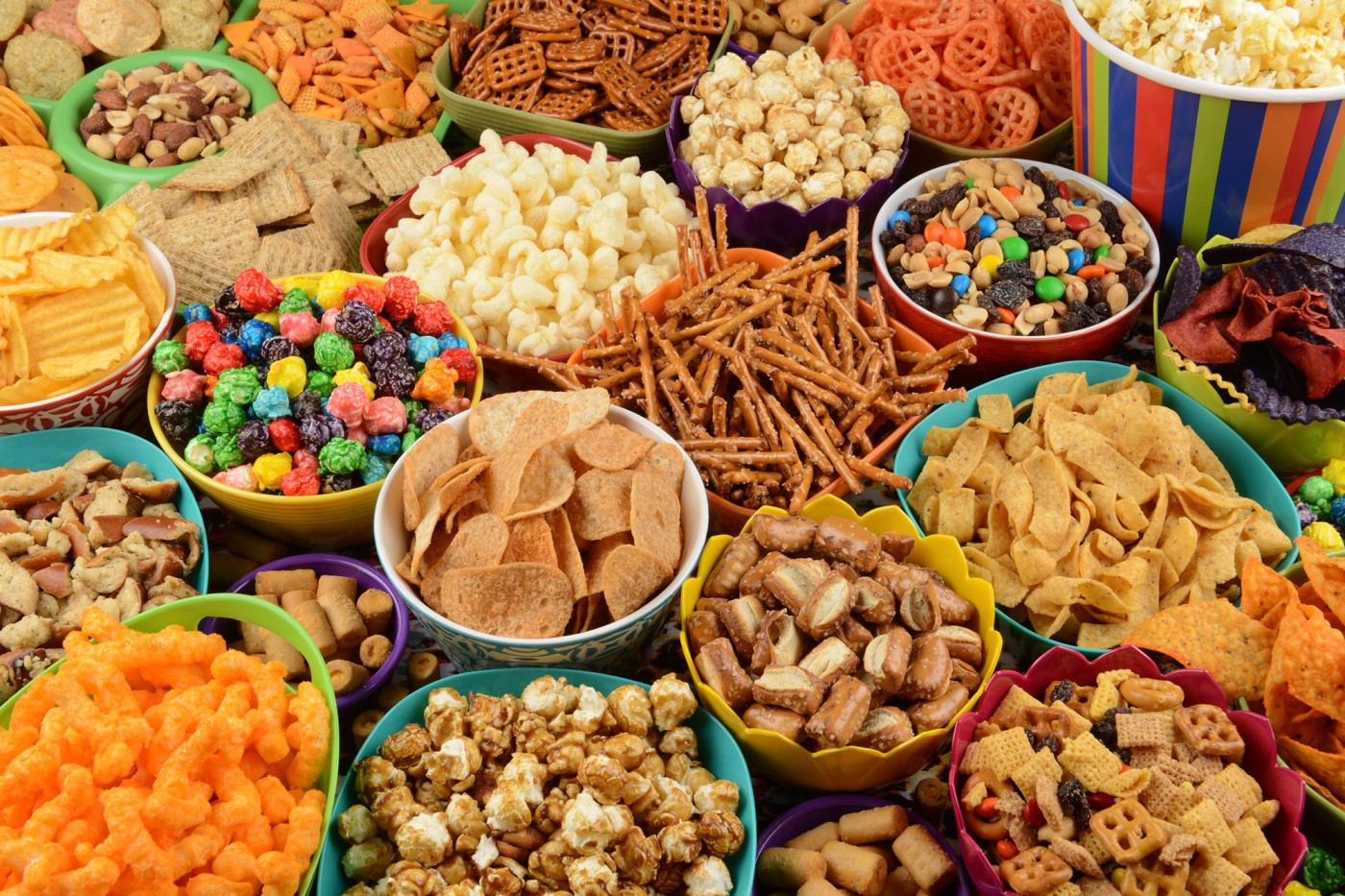
The snack food industry has seen tremendous growth over the past few decades evolving from a small market to a multi-billion dollar business. Rising on-the-go lifestyles, hectic schedules, and changes in consumer preferences have all contributed to increased demand for convenient and portable snack options. Experts predict the global snack food market size will reach over $1 trillion by 2025 as more people regularly consume snacks between meals. Let's explore some of the key drivers behind the industry's rise and changing trends influencing its trajectory.
Rise of the Snacking Culture
With busier schedules leaving less time for traditional meals, many consumers now regard snacks as an important part of their daily nutrition. A paradigm shift from the classic three square meals to frequent snacking throughout the day has taken hold. Research shows over 50% of global consumers snack at least twice a day. TheLines between meals and snacks have blurred as snacks take the place of some meals for time-strapped customers. As snacking becomes a lifestyle rather than an occasional treat, snack food producers are innovating new products tailored for on-the-go consumption.
Demand for Healthier Options
While indulgent options remain popular, there is growing consumer demand for healthier snack alternatives perceived as better-for-you. Nutritious versions of popular snacks with simple ingredients and less sugar, fat, salt, and additives are gaining popularity. Companies are responding by launching product lines centered around ingredients like nuts, fruits, vegetables and whole grains. For example, hummus has evolved from a niche product into a mainstream snack dip offered in numerous flavors nationally. Protein-packed snacks are also in high demand from health-conscious customers. As more struggle with diseases linked to poor diet, demand for nourishing snack options is expected to keep rising industry-wide.
Changing Tastes and Preferences
Discerning customers continually shape the Snack Products landscape by shunning certain ingredients or embracing international flavors. For example, aversion to artificial ingredients has led many top brands to remove artificial colors, flavors, and preservatives from their recipes. Gluten-free, soy-free, and allergen-friendly products are proliferating to accommodate restrictive diets. Ethnic snack mashups also sell strongly as consumers become accustomed to global flavors. Forays into Asian, Mexican, Indian and Middle Eastern snacks have resonated with adventurous palates seeking global inspiration in their snacks. Companies catering thoughtfully to evolving preferences gain an edge in this competitive market.
Embracing E-Commerce and Digital Channels
Online sales have gained relevance for snacks as more purchases shift to digital retail platforms. Brick and mortar stores continue their footfall but cannot replace the sheer omnipresence and convenience of online channels. Savvy snack brands are boosting investments in e-commerce, search, and social media initiatives to grab customer attention in cluttered digital marketplaces. Regional favorites leverage e-commerce to scale up from niche to national brands. Even large FDM players like PepsiCo and Mondelez are focusing online sales where growth rates vastly outpace physical outlets. Digital shelf-space becomes increasingly vital for snack companies to reach customers and drive up awareness at scale.
Environmental and Sustainability Concerns
Rising worries over plastic pollution and climate change are pressuring snack producers on sustainability and eco-friendly packaging. Many companies are working earnestly to develop compostable packaging made from renewable resources as an alternative to plastic. Bags, trays and wrappers crafted from cardboard, paper, sugarcane, bamboo and even seaweed are entering product portfolios. Additionally, some green-minded producers promote carbon footprint reduction, ethical sourcing and reduction of food waste in supply chain operations. Efforts to become truly sustainable are business imperatives to win over ethically-conscious millennial and GenZ customers seeking planet-friendly options.
Health of Global Trade Relations
Snack sales get impacted by tariff changes, trade negotiations, geopolitical tensions and barriers to cross-border commodity flows globally. For instance, China’s retaliatory tariffs on US pork imports disrupted supplies of a key snack ingredient like pork rinds. Brexit uncertainties also weighed on UK snack exports to Europe. Similarly, the US/Mexico trade and immigration deal impacts Mexican snack demand in America. Companies must adopt agile supply chain practices to skirt trade hurdles and ensure consistent production particularly for snack categories reliant on globally-sourced inputs. Fluctuations in trade flows and policies introduce volatility snack producers endeavor to counter through diversification and strategic decision making.
Role of Emerging Markets
While mature snack markets in the West show slower growth potential, developing regions across Asia, Latin America, Africa and Eastern Europe present exciting opportunities. Rapid wealth creation, young demographics, urbanization and shifting cultural tastes fuel huge snack food demand rises in places where per capita consumption remains relatively low. Multinationals invest heavily to penetrate nascent snack territory yet to be saturated. Local brands too flourish in emerging markets leveraging nationalist flavors and affordable pricing to access huge consumer bases. Emerging territories will undoubtedly shape global snack industry trends, consumption patterns and innovation in the coming decade.
The vibrancy of the global snack industry stems from the balance of addressing changing consumer priorities while capitalizing on macroeconomic drivers worldwide. Companies adopting prudent, insightful and socially-minded strategies maintain growth relevance in this dynamic sector constantly being redefined by shopper behaviors. While short term disruptions may occur, the future remains bright for snack manufacturers who skillfully navigate evolving industry currents. Staying nimble yet consistent in quality will serve brands well as they endeavor to develop an enduring connection with ever more discerning snack lovers across the world.
Get more insights on : Snack Products