Frankincense Extracts Market: Unveiling the Ancient Resin's Modern Applications

Introduction
Frankincense, the aromatic resin derived from Boswellia trees, has a rich history dating back thousands of years. Revered for its spiritual, medicinal, and aromatic properties, frankincense has been a valuable commodity in ancient trade routes. In the modern era, the popularity of frankincense extracts has surged, with the resin finding its way into various industries, including healthcare, cosmetics, aromatherapy, and more. This article delves into the dynamics of the frankincense extracts market, exploring its growth, applications, potential health benefits, and sustainable sourcing practices.
Market Growth and Size
The frankincense extracts market has experienced notable growth in recent years, propelled by increasing consumer interest in natural and traditional remedies. The global demand for frankincense extracts, including essential oils and resins, has witnessed steady expansion due to the resin's versatile applications and holistic appeal.
Factors such as rising interest in aromatherapy, the growing demand for natural and organic ingredients in cosmetic and skincare products, and the resurgence of traditional medicine have all contributed to the market's growth. Additionally, the rise of e-commerce and global trade has made frankincense extracts more accessible to consumers worldwide.
Types of Frankincense Extracts
Frankincense extracts are available in various forms, each offering unique applications and characteristics:
-
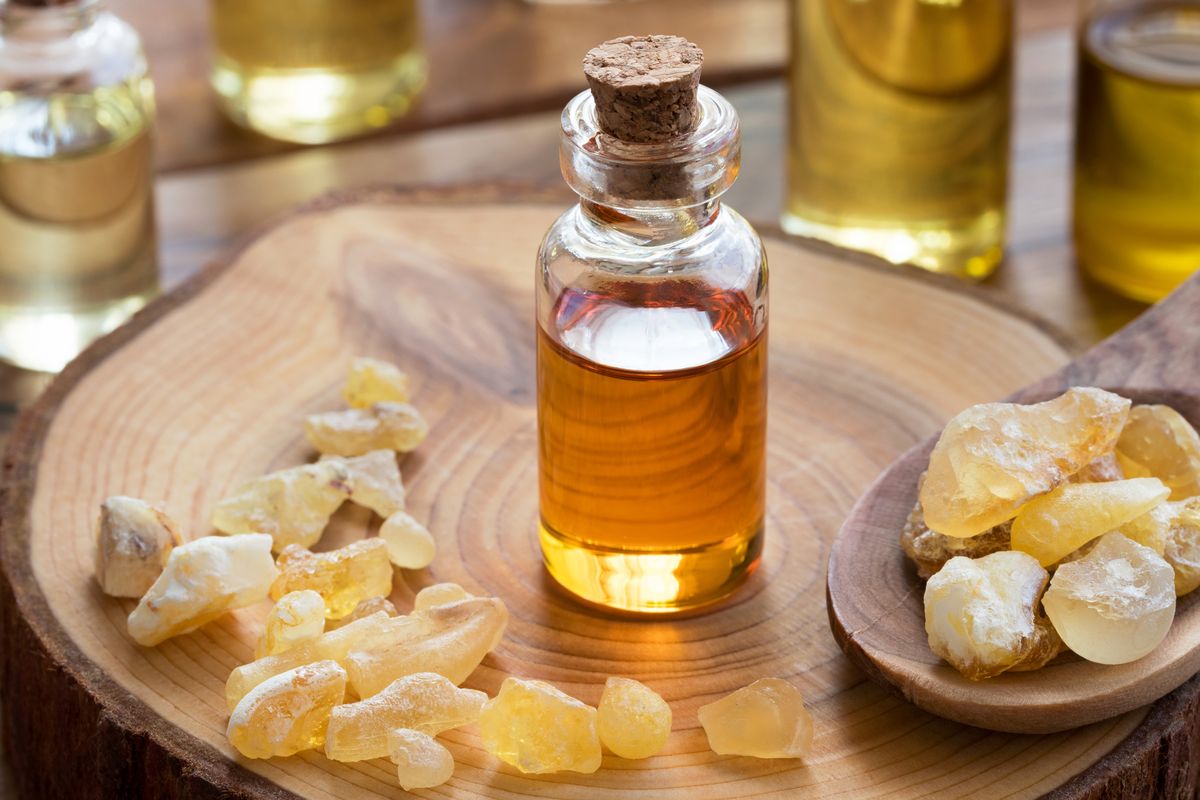
Frankincense Essential Oil: Obtained through steam distillation of the resin, frankincense essential oil is highly concentrated and renowned for its calming and aromatic properties. It is commonly used in aromatherapy and skincare products.
-
Frankincense Resin: The raw frankincense resin is used in incense burning rituals, religious ceremonies, and as a fragrant material for perfumes and home fragrance products.
-
Frankincense Extract Supplements: Frankincense extracts are also available in the form of dietary supplements, commonly used in traditional medicine for various health benefits.
Applications and Potential Health Benefits
Frankincense extracts offer a range of applications and potential health benefits:
-
Aromatherapy: Frankincense essential oil is widely used in aromatherapy for its calming and stress-reducing effects. It is believed to promote relaxation and emotional well-being.
-
Skincare and Cosmetics: The anti-inflammatory and antimicrobial properties of frankincense extracts make them valuable ingredients in skincare products, aiding in the treatment of acne, scars, and wrinkles.
-
Traditional Medicine: Frankincense extracts have been used for centuries in traditional medicine for their potential anti-inflammatory, immune-boosting, and pain-relieving properties. They are also believed to support respiratory health.
-
Spiritual and Religious Use: Frankincense resin is used in religious and spiritual rituals for its aromatic and symbolic significance.
Sustainable Sourcing and Conservation
The popularity of frankincense extracts has raised concerns about the sustainability of Boswellia trees, as overharvesting can threaten their survival. Sustainable sourcing practices are essential to ensure the long-term availability of frankincense resin and to support the livelihoods of communities dependent on frankincense harvesting.
Initiatives promoting sustainable frankincense sourcing include efforts to protect Boswellia habitats, support local communities, and promote responsible harvesting practices. Organizations work closely with local farmers and communities to implement sustainable collection methods and ensure fair trade practices.
Future Prospects and Challenges
The future of the frankincense extracts market looks promising, with a continued interest in natural and holistic remedies. As consumers seek more natural alternatives in various industries, the demand for frankincense extracts is likely to grow.
However, challenges related to sustainable sourcing, quality control, and market regulation need to be addressed. Striking a balance between meeting the market demand and conserving the fragile Boswellia ecosystems will be critical for the long-term viability of the frankincense extracts market.
Conclusion
Frankincense extracts have transitioned from ancient rituals to modern-day applications, offering a plethora of benefits across industries. As consumers increasingly value natural and traditional remedies, the demand for frankincense extracts is set to rise. However, responsible sourcing and conservation efforts are necessary to safeguard the future of Boswellia trees and the livelihoods of communities dependent on frankincense harvesting.
With ongoing research on the potential health benefits of frankincense extracts and increasing awareness about sustainable practices, the market is poised for sustained growth, preserving the timeless allure and therapeutic properties of this ancient resin.