Fluoroscopy Devices: Emerging Trends and Growing Applications in Medical Imaging

The Rise of Fluoroscopy Technology
Fluoroscopy has established itself as an important medical imaging technique for guiding procedures and capturing real-time images of internal body structures. The ability to see inside the body in motion has enabled major advances in minimally invasive treatments across various medical specialties. Fluoroscopy systems have therefore seen growing demand from hospitals and clinics worldwide.
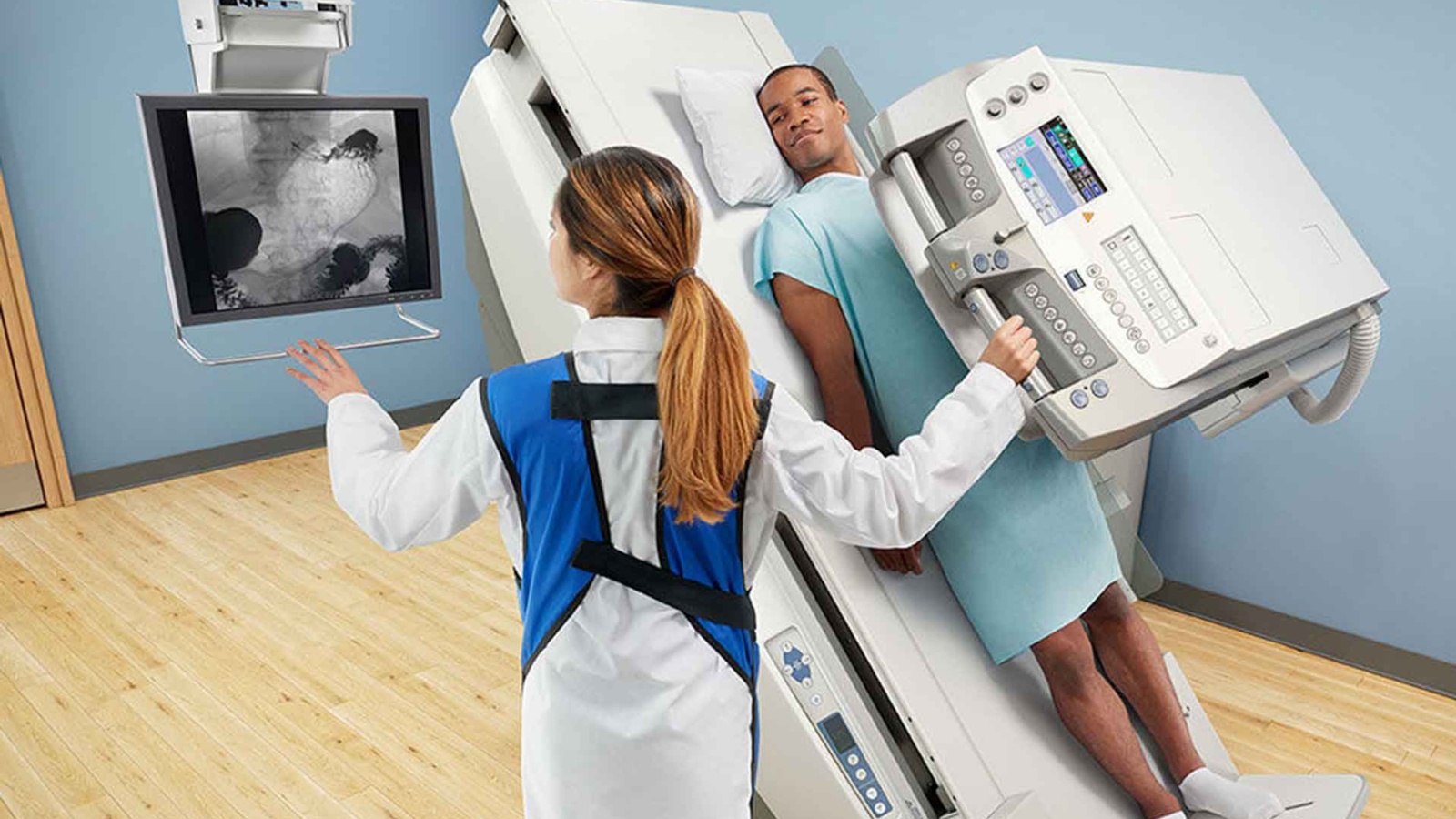
Fluoroscopy uses X-rays to obtain real-time moving images of the internal structures of a patient through the use of a fluoroscope. Compared to conventional radiography, it allows for dynamic visualization of organs, joints, and vessels. This has made it invaluable for image-guided procedures like cardiac catheterizations, orthopedic surgeries, and gastrointestinal examinations. With advancing technology, newer fluoroscopy devices offer higher resolution, dose reduction features, and integration with 3D imaging modalities.
Rising Adoption in Interventional Radiology
Interventional radiology has emerged as a major clinical application of Fluoroscopy Devices . Conditions that once required open surgeries can now be treated using minimally invasive techniques under fluoroscopy guidance. This includes treatments for liver cancer, uterine fibroids, varicose veins, and dialysis access. As such procedures become preferred options for patients, demand for top-quality imaging equipment from interventional radiology suites is growing. Leading manufacturers have responded by introducing C-arms, angiography systems, and mobile fluoroscopes tailored to the advancing needs of interventional procedures.
Advances in Surgical Visualization
Fluoroscopy is similarly enhancing outcomes in orthopedic, spinal, and trauma surgeries. Devices with higher resolutions and digital imaging capabilities provide clearer views of bone structures and implants during procedures. Combined fluoroscopy-navigation solutions help surgeons navigate challenging anatomical areas with accuracy. Some new systems integrate fluoroscopy imaging seamlessly into the surgical workflow using robotics and intraoperative CT/navigation. This is fueling uptake in trauma and complex spinal/joint reconstruction surgeries where optimal visualization is paramount.
Rising Focus on Paediatric Imaging
Paediatric fluoroscopy presents unique technical challenges due to the small size and increased radiation sensitivity of children. However, it remains invaluable for diagnosing many conditions without the need for sedation or general anesthesia. Equipment manufacturers have thus targeted this segment with development of compact and low-dose fluoroscopy solutions. Features like pulsed fluoroscopy, automatic brightness control and iterative reconstruction help minimize radiation exposure to children. This, along with growing awareness about As Low As Reasonably Achievable (ALARA) principles, is driving fluoroscopy adoption among paediatric specialties.
Future Prospects
As minimally invasive techniques rise in prevalence and complexity across medical disciplines, newer applications of fluoroscopy will continue emerging. Hybrid rooms combining multiple imaging modalities may become more commonplace. Advances in dose management, dynamic imaging capabilities, robotics integration and big data analysis also promise to enhance the diagnostic and procedural value delivered by fluoroscopy systems. With healthcare providers demanding advanced tools to improve patient outcomes, the global market for fluoroscopy devices stands poised for continued growth and evolution in the years ahead.
Get more insights on Fluoroscopy Devices
Also read related article on Vegan Fashion Market