Fiber in the Loop The Future of Broadband Technology

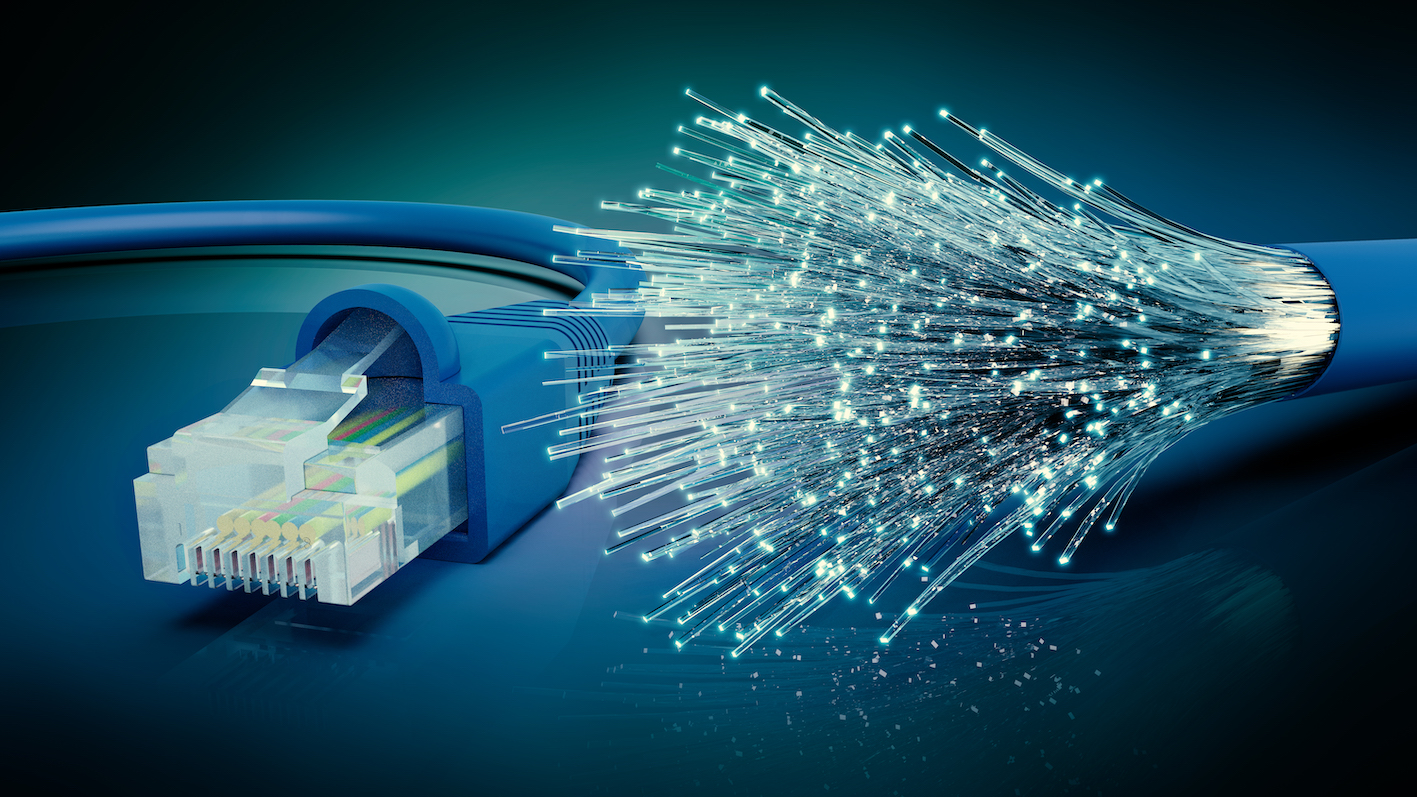
As broadband technology continues to advance at a rapid pace, fiber optic networks are playing an increasingly important role in delivering faster internet speeds to homes and businesses. Referred to as Fiber to the Premises (FTTP) or Fiber to the Home (FTTH), fiber networks are now being rolled out across many cities and communities around the world. This article aims to provide an in-depth look at fiber in the loop technology and why it represents the future of broadband.
What is Fiber in the Loop?
Fiber in the loop, also known as fiber to the distribution point (FTTdp), is a technology approach that uses fiber optic cabling to bring connectivity closer to homes and businesses than traditional copper networks. With fiber in the loop, fiber is run from the provider's central office all the way to a distribution point just outside a neighborhood. From this point onward, the existing copper telephone wires take over to carry the signal the remaining distance to premises.
While not a pure fiber network like FTTP, fiber in the loop still offers significant advantages over the traditional telephone network which relies entirely on copper for the "last mile" connection. By replacing much of the copper with fiber, network operators can deliver internet speeds fast enough to support ever increasing bandwidth demands both now and well into the future.
Benefits of Fiber in the Loop Networks
There are several key benefits that fiber in the loop networks provide compared to traditional copper-based telephone networks:
Higher Speeds - Fiber optic cables have much greater bandwidth potential than copper wires. Replacing copper with fiber for most of the "last mile" allows providers to offer download speeds up to 1 Gigabit per second or faster. This far surpasses the speed limitations of copper-based DSL internet service.
Improved Reliability - Fiber optic cables are less prone to interference from electrical equipment or weather conditions like rain or snow which can degrade copper line performance over time. Fiber connections remain clear no matter the distance from the central office.
Better Scalability - The bandwidth capacity of single mode Fiber In The Loop is virtually unlimited. Fiber networks can easily scale to support new applications and technologies requiring ever higher speeds as demands grow over the coming decades. In contrast, copper network upgrades become increasingly expensive as speeds increase.
Lower Maintenance Costs - Fiber cables require no electrical power to transmit signals and are largely immune to problems like corrosion that plague aging telephone wires. This results in fewer service disruptions and reduced long-term maintenance expenses for providers.
Technology Adaptability - Whereas copper constraints future technology options, fiber systems allow network operators flexibility in utilizing evolving technologies like 5G wireless and internet of things connectivity as they emerge. Traditional telephone networks would struggle to support such innovations.
Rollout Challenges of Fiber in the Loop Networks
While the technical capabilities and long term advantages of fiber appear clear, transitioning entire communities from copper to hybrid fiber-copper infrastructures does present some challenges:
Installation Expenses - Laying new fiber optic cables often requires trenched conduits which makes deployment upfront costs substantial, though lower than full FTTP. Significant amounts of capital are needed to fund major fiber in the loop buildouts.
Deployment Logistics - Coordinating construction work that impacts neighborhoods and rights of way adds complexity to rollouts. Developing detailed rollout plans and obtaining permits can extend project timelines.
Provider Adoption - Convincing incumbent telephone companies to modernize decades old networks requires regulatory support for cost recovery and incentives to invest. Competitive fiber startups also play a role in driving adoption.
Customer Education - Many consumers remain unfamiliar with fiber technology and bandwidth potential. Educating communities on the reasons for fiber upgrades helps generate demand to aid business case economics.
While overcoming these hurdles takes time and resources, fiber in the loop presents a sensible path forward compared to relying solely on aging copper. With committed investment and execution, hybrid fiber networks can bridge communities into an all-fiber future and the bandwidth capabilities it enables.
The Future is Fiber
As more network operators transition portions of the "last mile" from copper to fiber, the benefits of higher speeds, better reliability and future proofed infrastructure are being delivered to more homes and businesses every year. While full fiber networks may take longer to complete given scale of deployment, initiatives like fiber to the distribution point play an important interim role.
Get more insights on Fiber In The Loop