Empowering Smart Vehicles: The Power of Automotive Embedded Systems

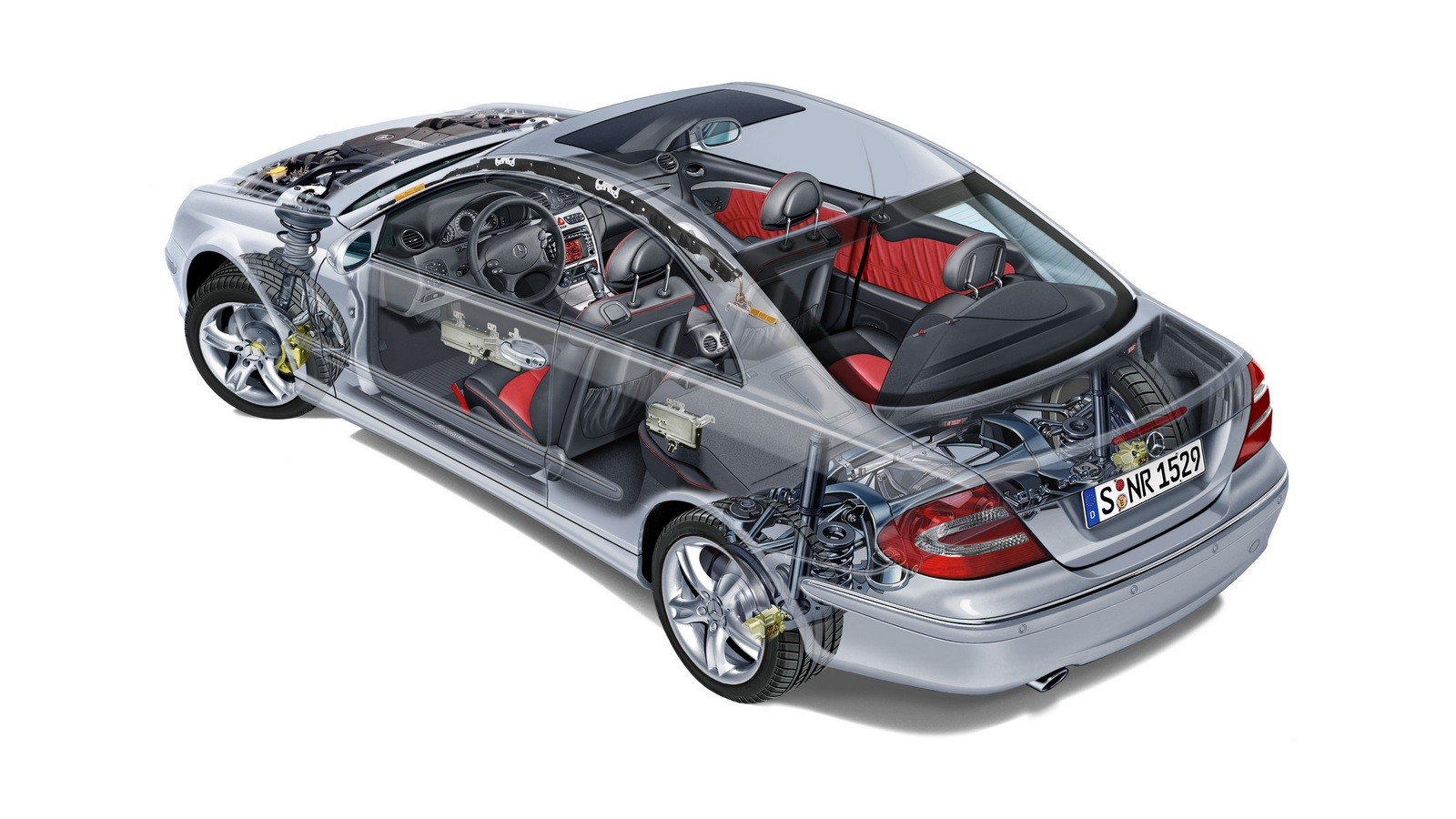
In the rapidly evolving automotive industry, one of the most significant advancements has been the integration of smart and connected features in modern vehicles. This transformation has been made possible by automotive embedded systems, which play a pivotal role in empowering smart vehicles. Automotive embedded systems refer to the integration of electronic components and software into a car's architecture to enhance its functionality, safety, and overall performance.
One of the key aspects of automotive embedded systems is their ability to enable vehicle-to-vehicle (V2V) and vehicle-to-infrastructure (V2I) communication. This communication allows cars to exchange critical information in real-time, such as traffic conditions, road hazards, and upcoming traffic signals. By doing so, smart vehicles can make informed decisions to optimize routes, reduce congestion, and enhance overall safety on the roads.
Automotive embedded systems have paved the way for advanced driver-assistance systems (ADAS), which have become increasingly prevalent in modern vehicles. ADAS technologies, like adaptive cruise control, lane-keeping assistance, and automated emergency braking, leverage embedded sensors, cameras, and processors to enhance driver safety and reduce the likelihood of accidents.
The demand for Automotive Embedded Systems Market in Asia-Pacific is also being fueled by an increase in the implementation of advanced automotive technologies like wireless connectivity The Automotive Embedded Systems Market is poised for continuous growth as the industry adapts to evolving consumer preferences, regulatory changes, and emerging technologies, presenting exciting opportunities for stakeholders across the value chain.
These systems have transformed the driving experience by enabling in-car infotainment systems and connectivity options. Smart vehicles can now access real-time data, offer voice-activated controls, provide seamless smartphone integration, and deliver entertainment options that cater to passengers' preferences. Such features have not only made driving more enjoyable but also increased productivity and connectivity on the go.
Security is another crucial aspect of automotive embedded systems. As smart vehicles become more connected, the potential for cyber threats increases. Thus, embedded systems also focus on implementing robust security measures to safeguard against unauthorized access and protect sensitive data.
Automotive Embedded Systems have revolutionized the automotive industry by enabling smart and connected features in modern vehicles. Through V2V and V2I communication, ADAS technologies, improved infotainment options, and heightened security measures, these systems have not only enhanced driving experiences but also significantly improved road safety. As technology continues to advance, we can expect automotive embedded systems to play an even more significant role in shaping the future of smart vehicles.