Coronary Stents A Journey from Bare-Metal to Drug-Eluting Stents

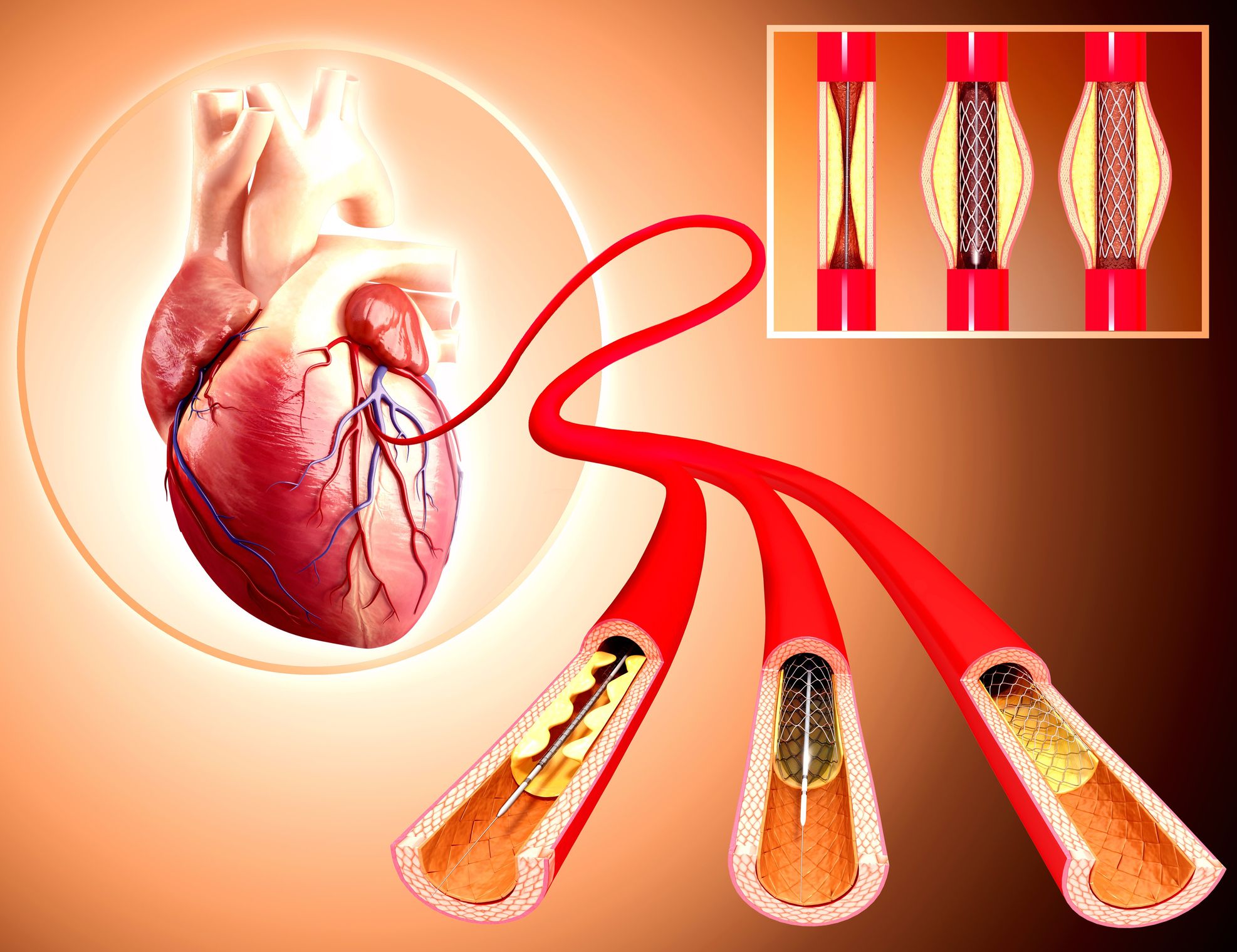
History and Evolution of Coronary Stents
The history of coronary stents dates back to the late 1980s when the first stent was implanted experimentally in humans. However, it was in the 1990s that stents became widely used in routine angioplasty procedures. Over the years, stent technology has undergone significant advancements with the development of drug-eluting stents. Nowadays, state-of-the-art stents deliver medications that prevent scar tissue formation and renarrowing of the artery. This reduced the need for repeated procedures and improved patient outcomes. Implantation of advanced coronary stents has made angioplasty a very effective treatment option for heart disease in India.
Types of Coronary Stents
There are basically two main types of coronary stents - bare-metal stents and drug-eluting stents. While bare-metal stents are simple metal meshes that only mechanically prop open the artery, drug-eluting stents slowly release medications to inhibit cell growth. Some examples of drug-eluting stents include sirolimus-eluting, paclitaxel-eluting, zotarolimus-eluting, everolimus-eluting, biolimus-eluting etc. The choice of stent depends on factors like nature and location of blockage, diabetes status, and suitability of the patient's vessels. Drug-eluting stents have largely replaced bare-metal stents due to superior clinical outcomes.
Rising Incidence of Heart Diseases in India
According to the World Health Organization, heart diseases have emerged as the leading cause of death in India in recent times. It is estimated that over 50% of heart attacks in South Asia occur among those below 70 years of age. Some key factors contributing to this rising burden of heart diseases include - changes in dietary patterns, sedentary lifestyles, high stress levels, tobacco use, increased prevalence of diabetes and hypertension. Alarmingly, even younger Indians in their 30s and 40s are now more prone to heart attacks. This growing epidemic has made access to timely cardiac care and procedures like angioplasty using coronary stents a national health priority.
Benefits of Coronary Stents
Implanting a Indian Coronary Stents during angioplasty has several advantages over traditional balloon angioplasty alone:
- Stents provide a scaffold to prop open narrowed arteries and prevent reblockage. This translates to a much lower need for repeat procedures.
- They improve exchange of oxygen and nutrients in the heart muscle by reestablishing adequate blood flow through the previously blocked vessel.
- Symptoms like chest pain and discomfort are relieved rapidly in most patients. This helps in a faster recovery.
- Quality of life is greatly enhanced as patients can return to normal activities sooner with less medication.
- Long term prognosis in terms of survival rates is better with stents compared to balloon angioplasty alone.
- Advanced drug-eluting stents have shown outstanding outcomes, nearly eliminating blockages even after many years of implantation.
Challenges and Affordability of Stents in India
While coronary stents have transformed heart care, certain challenges remain in India:
- Implantation of drug-eluting stents requires long term dual antiplatelet therapy which is still not affordable for many Indians.
- Cost of high-end coronary stents is also a concern especially when multiple stents are required in complex blockages.
- Not all district hospitals have facilities for regular angiograms and angioplasty. This limits access in remote areas.
- Lack of nationwide health coverage and high out-of-pocket expenses force many to forego or delay life-saving PCI procedures.
- India still faces a severe shortage of trained cardiologists, technicians and critical care infrastructure to handle heart attack victims across vast rural regions.
The government has taken certain initiatives like implanting price caps on cardiovascular stents and providing free angioplasty under various state insurance schemes. But a lot more needs to be done to make quality cardiac care programs affordable for vulnerable populations in India.
Explore more information on this topic, Please visit-
https://www.newsstatix.com/india-coronary-stents-share-size-and-growth-share-trends-analysis-demand-forecast/