Comprehensive Overview of Stem Cell Assay Techniques for Advanced Research

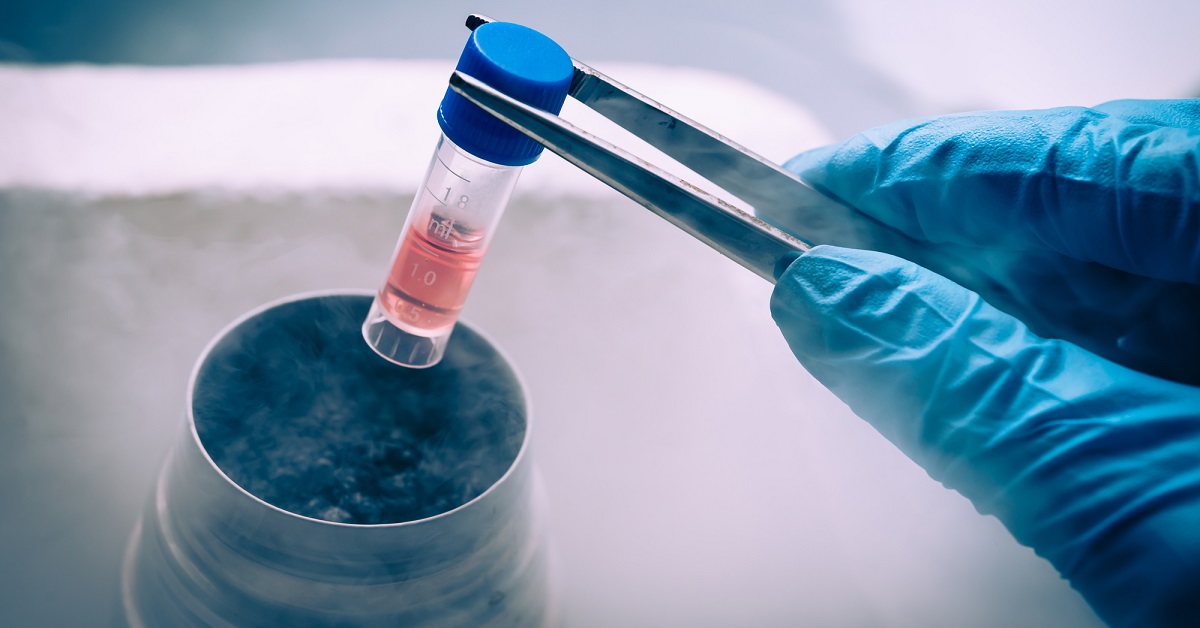
Stem cell assays play a crucial role in modern biomedical research, drug development, and therapeutic applications. These assays enable scientists to evaluate stem cell functions, such as differentiation potential, proliferation, and viability. Understanding the different types of stem cell assays, their applications, and the latest innovations is essential for researchers and industry professionals aiming to harness the full potential of stem cells.
Understanding the Fundamentals of Stem Cell Assays and Their Importance
Stem cell assays are laboratory procedures designed to assess the characteristics and behavior of stem cells under various conditions. These tests provide valuable insights into stem cell quality, potency, and biological activity, which are indispensable for both basic research and clinical applications. Assays typically focus on specific stem cell properties like clonogenicity (the ability of a single cell to grow into a colony), differentiation into multiple lineages, or viability following exposure to drugs or environmental factors.
In research, stem cell assays help determine the regenerative capacity of stem cells and evaluate the impact of pharmaceutical compounds on stem cell populations. This information is pivotal for regenerative medicine, where the efficacy and safety of stem cell therapies must be guaranteed before clinical application. Furthermore, these assays assist in toxicity testing, reducing reliance on animal models, and speeding up drug discovery processes.
Key Types of Stem Cell Assays Used in Laboratory and Clinical Settings
Several types of stem cell assays cater to different analytical objectives. The colony-forming unit (CFU) assay is among the most commonly utilized, enabling quantification of a stem cell’s self-renewal and proliferation capacity by counting colonies formed in semi-solid media. Another vital technique is the differentiation assay, which evaluates the ability of stem cells to mature into specialized cell types such as neurons, cardiomyocytes, or osteoblasts. This assay often relies on specific markers detected through immunostaining or gene expression analysis.
The viability assay is instrumental in determining the survival rate of stem cells post-treatment with chemicals or during various culture conditions. Methods such as the MTT assay and flow cytometry have been adapted to measure cell viability accurately. Furthermore, the sphere-forming assay is widely used for neural and cancer stem cells, focusing on their ability to form spherical clusters that signify stemness.
Advanced technologies like high-throughput screening (HTS) and automated imaging have revolutionized stem cell assays, allowing large-scale testing of compound libraries for drug discovery and toxicity assessment. These advancements facilitate the rapid acquisition of reproducible data, essential for commercial and clinical developments.
Latest Trends Driving Innovation in Stem Cell Assay Development
Continuous technological innovation is transforming the landscape of stem cell assays. Integration of three-dimensional (3D) cell culture models mimicking in vivo environments provides more physiologically relevant data than traditional two-dimensional cultures. 3D assays enhance the study of cell-cell and cell-matrix interactions, which are critical for understanding tissue regeneration and cancer progression.
Moreover, the use of organoids derived from stem cells has expanded the functional assay repertoire. Organoids simulate mini-organs and serve as powerful platforms for investigating disease mechanisms and personalized medicine. Coupling these models with single-cell RNA sequencing offers high-resolution insights into stem cell heterogeneity and differentiation pathways.
Another significant trend is the application of artificial intelligence (AI) and machine learning algorithms to analyze complex datasets generated by stem cell assays. These tools improve predictive modeling, optimize assay conditions, and identify novel biological markers, accelerating research from bench to bedside.
Commercial Impact and Expansion of Stem Cell Assay Technologies
The stem cell assay market has witnessed substantial growth due to rising demand from pharmaceutical companies, biotech firms, and research institutes focused on regenerative therapies and personalized medicine. The increased prevalence of chronic diseases and the booming stem cell therapy pipeline have escalated the need for reliable and efficient testing platforms.
Companies investing in assay kits, advanced cell culture reagents, and automated instruments are positioning themselves strategically to capture market opportunities. Moreover, collaborations between assay developers and contract research organizations (CROs) are expanding market access and providing end-users with robust testing services.
Stakeholders are emphasizing assay standardization and regulatory compliance to facilitate clinical translation and commercialization of stem cell-based products. Adoption of Good Laboratory Practice (GLP) compliant assays is becoming a market differentiator, enhancing customer confidence in product efficacy and safety.
Navigating Comprehensive Research Reports on Stem Cell Biology and Assay
For professionals seeking detailed insights into the global stem cell assay market, various comprehensive research reports provide in-depth analysis of market dynamics, growth drivers, competitive landscaping, and regional trends. These reports also highlight emerging technologies, strategic partnerships, and regulatory pathways influencing the industry.
Such extensive documents serve as valuable resources for companies and investors aiming to understand competitive positioning and forecast future opportunities in stem cell research tools and consumables. They cover an array of assay formats, end-user industry segments, and technological innovations shaping the future of stem cell applications.
Accessing these reports ensures stakeholders remain informed about the latest disruptions and evolving customer needs driving stem cell assay advancements. Understanding market segmentation and adoption trends facilitates strategic planning and enhances decision-making processes for research and development investments.
Get This Report In Japanese language: 幹細胞アッセイ
Get This Report In Korean language: 줄기세포 검사
Read more articles related to this industry:
Role of Biotechnology in Sustainable Solutions and Green Technology
About Author:
Money Singh is a seasoned content writer with over four years of experience in the market research sector. Her expertise spans various industries, including food and beverages, biotechnology, chemical and materials, defense and aerospace, consumer goods, etc.
(https://www.linkedin.com/in/money-singh-590844163)
#StemCellAssay#StemCellResearch#RegenerativeMedicine#CoherentMarketInsights#BiotechMarket#CellTherapy