Comprehensive Guide to Understanding HID Ballasts and Their Dynamics

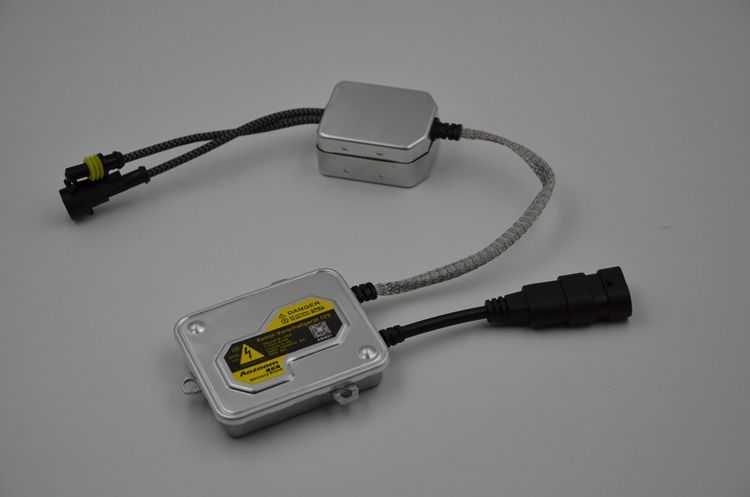
High Intensity Discharge (HID) ballasts are critical components in lighting systems that ensure the proper functioning and longevity of HID lamps. These ballasts regulate the voltage and current supplied to the lamps, enabling efficient illumination with reduced energy consumption. HID ballasts find extensive applications in automotive lighting, street lighting, sports arenas, and industrial facilities, where bright and reliable lighting is essential.
The Functional Role and Technology Behind HID Ballasts
An HID Ballast serves as an electrical device that provides the startup voltage necessary to ignite the lamp and subsequently modulates the electrical current to maintain steady illumination. The technology varies between magnetic and electronic ballasts, each having distinct operational parameters. Magnetic HID ballasts utilize inductive devices to stabilize the current, whereas electronic ballasts use semiconductor components to deliver a more efficient and flicker-free light output.
The complexity of HID ballasts lies in managing high voltage surges at ignition and maintaining a controlled current flow during lamp operation. Efficient ballasts minimize power loss and heat generation, which directly affects the lamp’s lifespan and overall energy costs. Understanding the technical specifications such as ballast factor, operating frequency, and wattage compatibility helps in choosing the right ballast for specific applications.
Emerging Trends and Advanced Features in HID Ballast Manufacturing
Recent advancements in HID ballast manufacturing focus on enhancing energy efficiency and meeting stringent environmental norms. Electronic HID ballasts are gaining traction due to their compact size, lower heat dissipation, and greater reliability compared to traditional magnetic ballasts. Features such as dimmable capabilities, integrated surge protection, and compatibility with smart lighting controls are becoming standard to cater to modern infrastructure demands.
In addition to performance improvements, manufacturers are incorporating sustainable materials and regulatory compliance measures aligned with global standards. This evolution is pushing the HID ballast market towards adopting next-generation technologies, which promise longer operational cycles, reduced maintenance costs, and expanded application scope across commercial and industrial lighting sectors.
Navigating Market Research Insights on HID Ballast Industry
Detailed industry reports provide valuable insights into market segmentation by product type, application, and regional demand dynamics. Analysis of historical data and forecast models identify growth opportunities, competitive landscapes, and emerging challenges within the HID ballast sector. These reports include critical evaluation of supply chain factors, pricing strategies, and regional consumption trends.
For industry stakeholders, accessing comprehensive market intelligence reports reveals key players’ strategies, technological innovations, and regulatory impacts influencing market trajectory. Such documented research serves as a navigational tool for investors, manufacturers, and distributors aiming to optimize product portfolios and expand their global footprint in the HID ballast market space.
Commercial Applications Driving Growth and Adoption of HID Ballasts
The commercial lighting sector remains a major driver for HID ballast deployment due to the demand for high-intensity illumination in large venues, warehouses, and retail environments. HID lamps paired with reliable ballasts offer superior luminance efficiency and durability, which are paramount for continuous operation and safety standards.
Furthermore, the transition to smart city projects and energy-efficient urban infrastructure spurs the demand for advanced lighting solutions integrating HID ballasts. Urban planners and facility managers prioritize lighting systems that not only reduce energy bills but also comply with environmental regulations, thus positively influencing the commercial uptake of HID ballasts in street and outdoor lighting.
Transactional Aspects and Procurement Considerations of HID Ballasts
Buying HID ballasts involves evaluation of product specifications, vendor credibility, warranty terms, and after-sales support services. Bulk purchasing decisions are often influenced by factors such as compatibility with existing lighting fixtures, energy consumption ratings, and cost-effectiveness over the device’s operational life.
Procurement managers focus on securing ballasts that meet predefined voltage requirements, have certifications ensuring safety and quality, and come from suppliers offering timely delivery and technical assistance. Given the specialized nature of HID ballasts, buyers increasingly rely on structured market insights and product comparisons to finalize transactions that align with their operational goals and sustainability criteria.
Future Outlook and Impact of Regulatory Frameworks on HID Ballasts
Regulatory frameworks emphasizing energy conservation and hazardous materials control play a significant role in shaping the future of HID ballast design and manufacturing. Compliance with international standards related to electromagnetic compatibility, material restrictions, and energy performance continues to drive innovation and product evolution.
The integration of renewable energy concepts and demand for eco-friendly lighting solutions are expected to transform traditional ballast usage. Manufacturers are investing in research to develop ballasts compatible with hybrid lighting systems and adaptable to varying voltage conditions, reinforcing the long-term viability and relevance of HID ballasts in the global lighting landscape.
Get this Report in Japanese Language: HIDバラスト
Get this Report in Korean Language: HID 밸러스트
Read More Articles Related to this Industry
Electronic Sensors and Their Applications in Smart Devices
About Author:
Money Singh is a seasoned content writer with over four years of experience in the market research sector. Her expertise spans various industries, including food and beverages, biotechnology, chemical and materials, defense and aerospace, consumer goods, etc. (https://www.linkedin.com/in/money-singh-590844163)