Chemiluminescence Imaging: An Emerging Technique for Various Applications

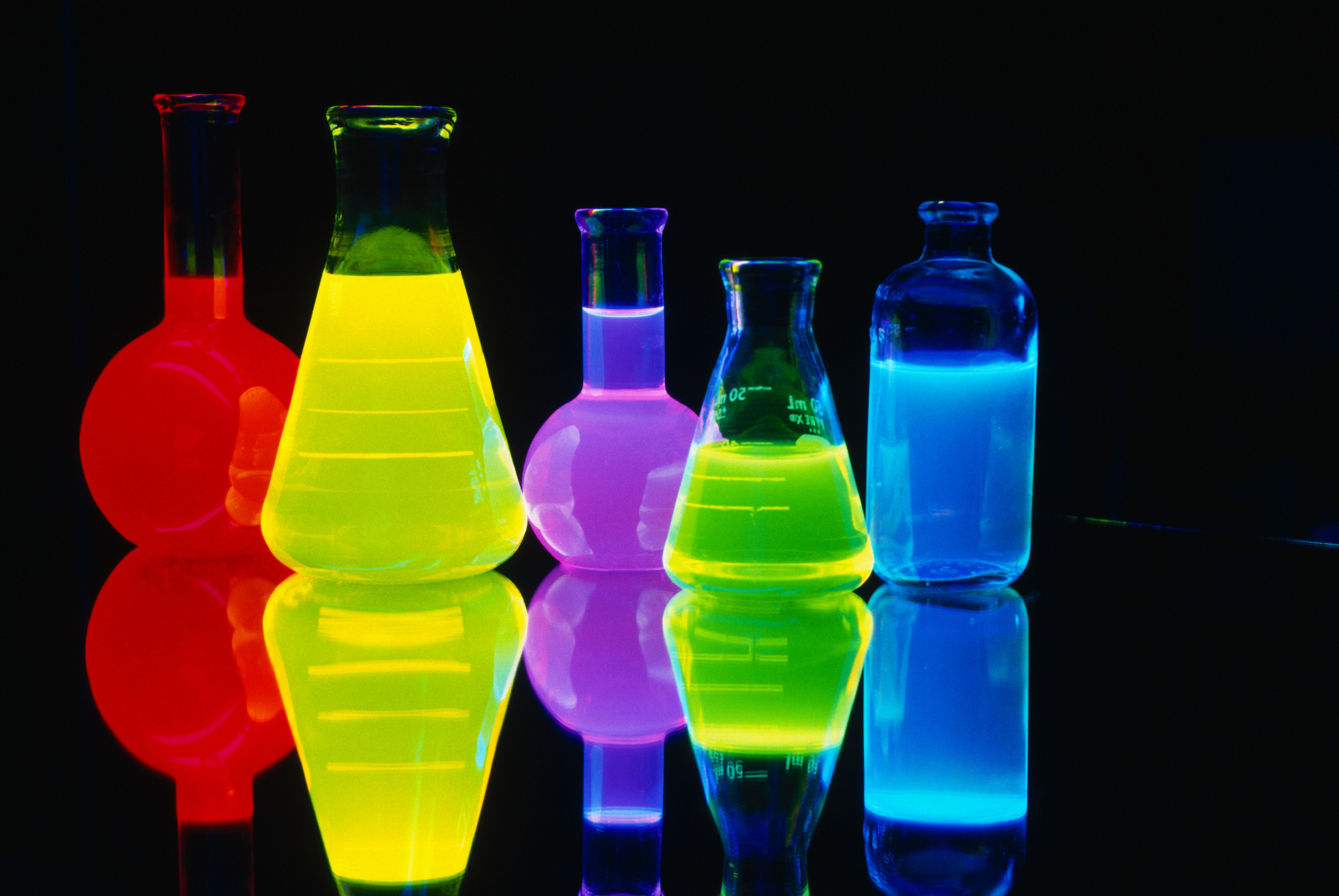
Chemiluminescence imaging is a technique that uses chemiluminescent reactions to produce light, which is then captured using light-sensitive cameras or film. In chemiluminescence, two chemical reactants come together to form an intermediate excited state product that decomposes and emits a specific wavelength of light in the process. This emitted light can then be used for imaging applications.
The main advantage of chemiluminescence imaging over other imaging techniques like fluorescence is that it does not require an external excitation light source. The reactants themselves provide the energy needed to produce light emission. This allows for low background noise and high signal-to-noise ratios. Chemiluminescence reactions can also produce a wide range of wavelengths from visible to near-infrared, making them compatible with a variety of cameras and optical filters.
Mechanism of Chemiluminescence Reactions
Most commonly used chemiluminescence reactions involve the oxidation of an organic molecule in the presence of oxidizing agents like peroxides or oxalates. The organic molecules are called chemiluminescent probes or labels. Two of the most widely used classes of chemiluminescent probes are dioxetanes and acridinium esters.
In a dioxetane-based reaction, thermolysis or hydrolysis of the dioxetane ring leads to the formation of an excited carbonyl product. This product then decomposes and emits a photon as it relaxes back to the ground state. Acridinium ester chemiluminescence involves the oxidative cleavage of an endoperoxide moiety to form an excited acridinium ion. Emission occurs as this ion decays to the ground state.
Applications of Chemiluminescence Imaging
The ability to produce light from chemiluminescent reactions has enabled their use in a variety of imaging applications. Some major uses of chemiluminescence imaging are:
Bioluminescence Imaging
Bioluminescent proteins and genes have been introduced into cells and model organisms to study cell signaling, protein interactions and metabolic pathways in live animals. Firefly luciferase is a commonly used bioluminescent label.
Immunoassays and Blotting
Chemiluminescent probes conjugated to antibodies allow sensitive and quantitative detection of proteins, nucleic acids, hormones etc. in Western blots, ELISAs, lateral flow assays and microarrays. Applications range from disease diagnosis to food/water testing.
Microarray Imaging
DNA microarrays use chemiluminescent labels to detect thousands of genes simultaneously and analyze gene expression patterns. Protein microarrays also employ chemiluminescence for profiling antibody-antigen interactions.
Pathology
In situ hybridization and immunohistochemistry techniques use chemiluminescent probes for localized detection of DNA, RNA and proteins in tissue sections, enabling disease diagnostics and research.
Luminescent compounds have been developed for intraoperative tumor imaging applications as well.
Advantages of Chemiluminescence Imaging
The primary advantages of Chemiluminescence Imaging can be summarized as:
- Does not require an external excitation light source, allowing for low autofluorescence and high signal-to-noise imaging.
- Wide dynamic range exceeding that of radioactive, fluorescence or colorimetric methods. Signals can be detected over several orders of magnitude.
- Compatible with a variety of detection platforms like cameras, film and plates due to the availability of probes emitting different wavelengths.
- Highly sensitive - can detect attomolar levels of analytes. Suitable for applications requiring low detection limits.
- Provides stable signals over long durations, unlike bioluminescence which decays rapidly. Suitable for time-lapsed imaging.
- Safer alternative to radioisotopic methods with no special equipment or licensing needed.
Recent Advances and Future Prospects
Recent advances have focused on expanding the palette of chemiluminescent probes, improving their brightness and photostability. Caged chemiluminescent compounds activated by uncaging have been developed for spatially controlled imaging applications. Multicolor reporters have also been generated through rationally designed probes.
Use of novel delivery systems like nanoparticles, polymers and hydrogels could further enhance chemiluminescence signals and enable new in vivo and ex vivo applications. Expanding the mechanistic diversity of chemiluminescent reactions through biomimetic and abiological approaches may lead to probes with better performance.
Integration with microfluidics, 3D printing and other technologies could miniaturize chemiluminescence assays. Deeper understanding of biochemical luminescence in nature may inspire novel probe design as well. With continued innovation, chemiluminescence imaging seems poised to find wider adoption across life sciences research and clinical diagnostics.
Get more insights on: Chemiluminescence Imaging