Cardiac Assist Devices - A Boon for Heart Failure Patients

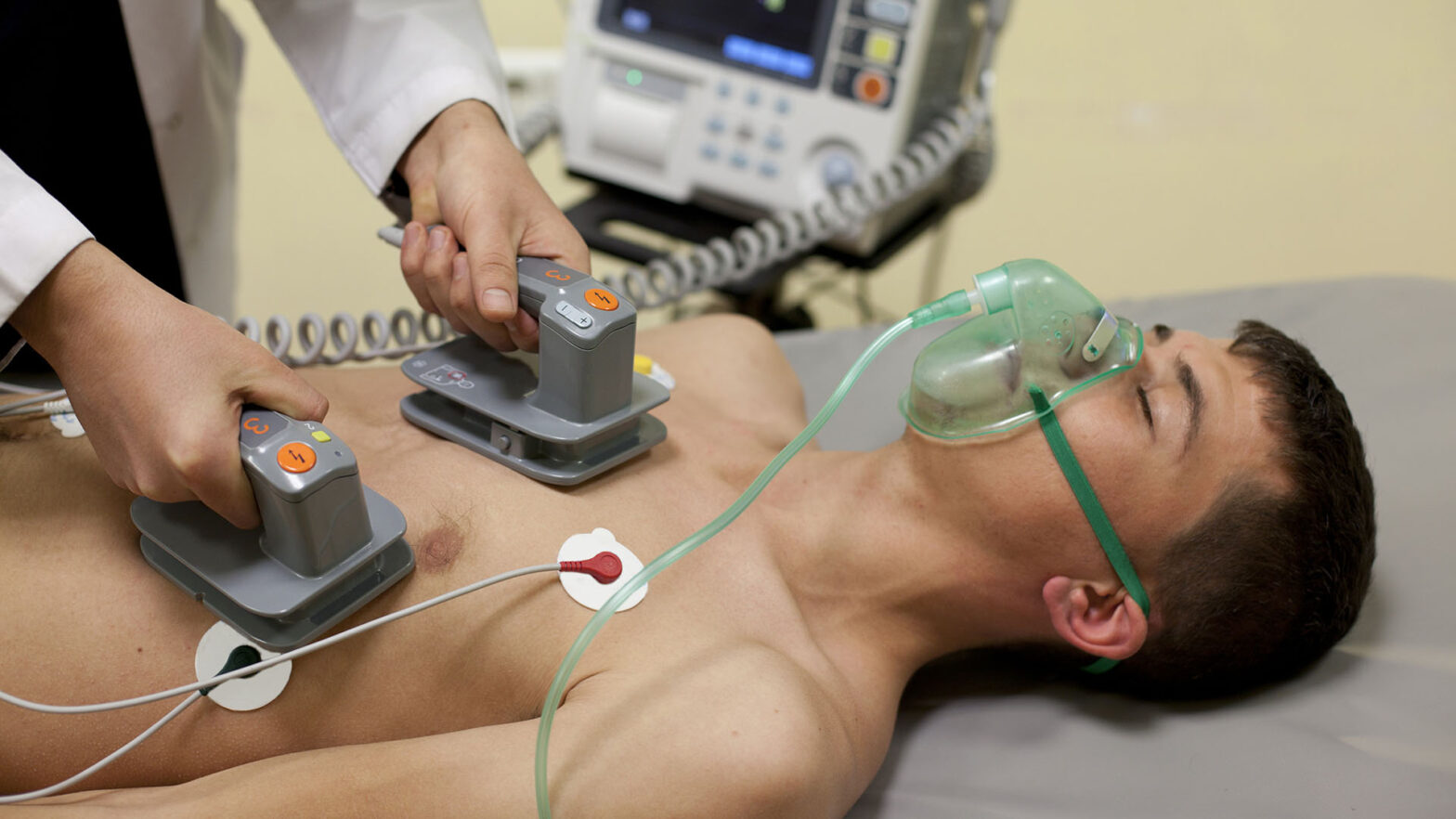
Heart disease has become one of the leading causes of death worldwide. Every year millions of people suffer from heart failure due to various reasons like coronary heart disease, hypertension, cardiomyopathy etc. While heart transplantation is the ultimate treatment for end stage heart failure, the shortage of donor hearts makes it difficult to treat all patients requiring a new heart. This is where cardiac assist devices play a crucial role in improving the lives of heart failure patients.
Introduction to Cardiac Assist Devices
Cardiac assist devices, also known as heart pumps, are mechanical pumps that are used to partially or completely replace the function of a failing heart. They help improve the heart's ability to pump blood throughout the body and supply vital organs with oxygen-rich blood. There are various types of cardiac assist devices available today which can be implanted either temporarily or permanently depending on the condition of the patient.
Types of Cardiac Assist Devices
Intra-Aortic Balloon Pump (IABP): It is a temporary measure used in critically ill patients. The balloon placed in the aorta inflates during cardiac diastole and deflates during systole to improve heart function.
Ventricular Assist Devices (VADs): These devices are implanted surgically to aid one or both ventricles. They can be used either temporarily to allow the heart to rest and recover or permanently in case of advanced heart failure. Some commonly used VADs include:
- Left Ventricular Assist Device (LVAD): It helps the left ventricle in pumping oxygenated blood to the body. LVADs can be implanted for both short-term and long-term use.
- Right Ventricular Assist Device (RVAD): Used for right ventricular failure, it pumps deoxygenated blood from the right ventricle to the lungs.
- Biventricular Assist Device (BiVAD): As the name suggests, this device provides simultaneous support to both left and right ventricles.
Total Artificial Heart (TAH): It completely replaces the functions of both ventricles and heart valves. TAH acts as a bridge to transplant in patients waiting for a donor heart.
Benefits of Cardiac Assist Devices
The primary benefit of cardiac assist devices is prolonging the life of heart failure patients and improving their quality of life. Some key advantages include:
- Provides circulatory support: Devices like LVAD and BiVAD augment the heart's ability to pump blood efficiently thereby preventing organ damage.
- Allows recovery time: Temporary devices like IABP and short-term VADs allow the weakened heart muscle to rest and recover its contractility.
- Bridges to transplant: VADs and TAH can be used as a long-term or permanent solution in advanced heart failure patients until a donor heart becomes available.
- Mobility and autonomy: The newer compact LVAD models have made patients much more mobile and less dependent on Continuous-flow LVAD Technology intravenous medications.
- Increased survival: Studies show cardiac assist devices significantly increase both short-term and long-term survival rates in heart failure patients.
Patient Selection and Outcomes
Not all heart failure patients are eligible for cardiac assist devices. Careful patient selection based on age, cardiac function, comorbidities etc. is important. The devices are most commonly used in:
- Younger (<65 years) acute heart attack survivors with severely reduced heart function.
- Those with acute fulminant myocarditis and arrhythmogenic right ventricular dysplasia- both causes can lead to sudden severe heart failure.
- Older patients (>65 years) with chronic reduced heart function who are candidates for heart transplant.
The success rates of cardiac assist devices have improved tremendously over the years. Most LVAD implant recipients have a 1-year survival rate of 80% or higher. Post-transplant survival rates with VAD support prior to transplant have also increased significantly. While device-related complications like bleeding, infection continue to be a concern, cardiac assist devices have undoubtedly become a lifesaving option for thousands of heart failure patients worldwide each year.
Limitations and Complications
While cardiac assist devices provide a new lease of life, they are not without risks. Some potential limitations and complications include:
- Bleeding: Due to use of blood thinners which increase risk of hemorrhage. Gastrointestinal bleeding is a common complication.
- Infection: Driveline and pump pocket infections can occur despite use of antibiotics and sterile techniques.
- Thromboembolism: Formation of blood clots in the device which can dislodge and block arteries is a concern.
- Device malfunction: Mechanical failures, component wear are issues, especially with older devices requiring reoperation.
- Neurologic problems: Stroke risk exists due to debris entering circulation from the device or aorta.
- right heart failure: Pulmonary hypertension and RV failure can still occur long-term despite LVAD support.
- Operator dependency: Reliance on trained staff for device monitoring and management post-discharge.
Future of Cardiac Assist Devices
With ongoing technological advances, newer generations of smaller, more durable and easier to use Cardiac Assist Devices are being developed and tested. Some areas showing promise include:
- Wireless and implantable pumps to avoid driveline infections.
- Use of non-blood contacting designs and biomaterials to reduce thrombosis.
- Pediatric VAD options tuned for growth and physiology of children.
- All-in-one devices eliminating need for external components are under trial.
- Hybrid assist devices that assist both ventricles through a single cannula.
- Eventually, development of a fully implantable Total Artificial Heart that can last decades.
Explore more information on this topic, Please visit -
https://www.newswirestats.com/cardiac-assist-devices-market-share-and-demand-analysis/