Biosurgery: The Future of Medical Surgeries

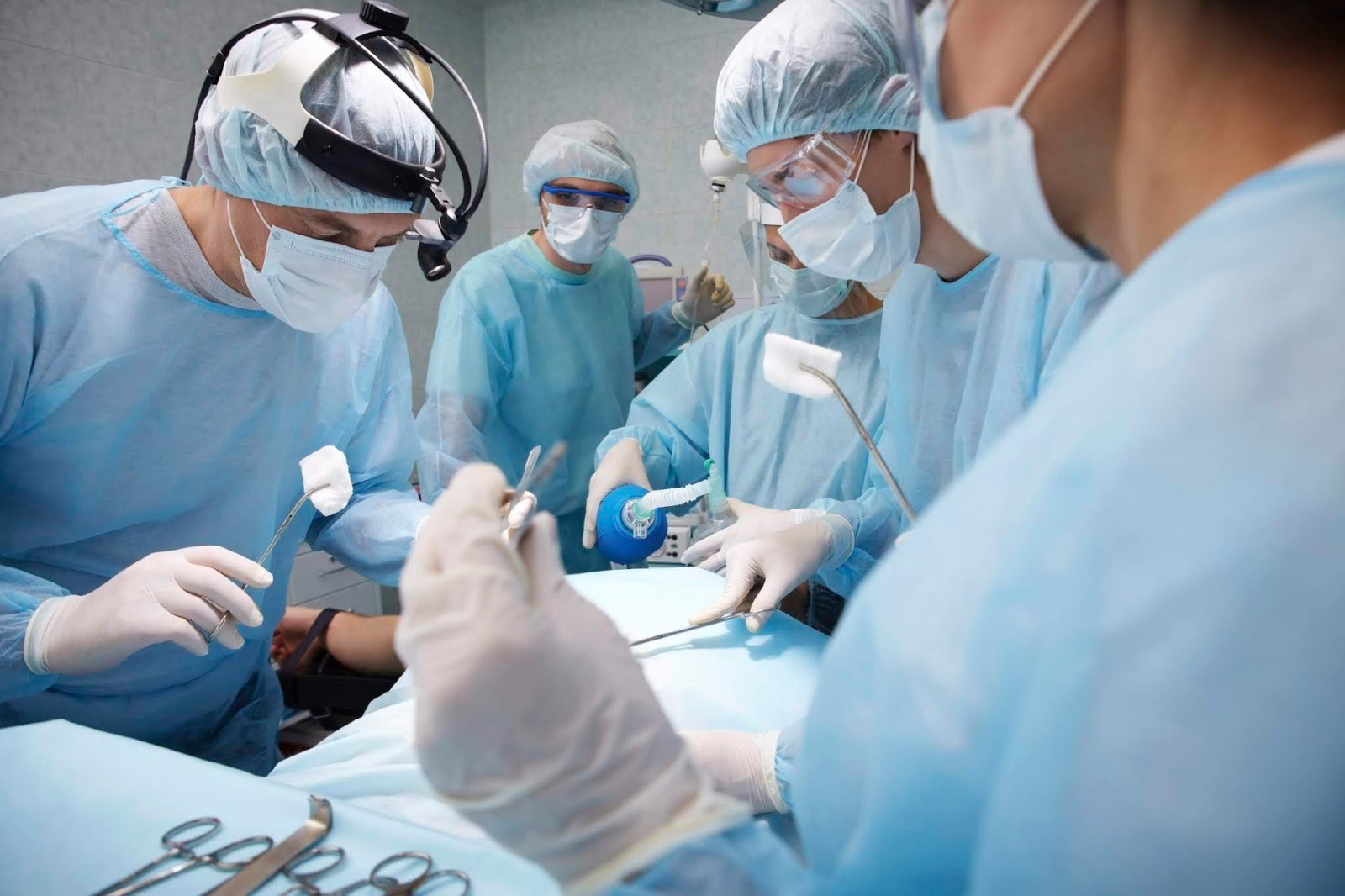
Over the last few decades, medical science has advanced rapidly with the help of innovative technologies and research. One such promising field is biosurgery which uses biomedical approaches in surgical practices. This emerging field of surgery utilizes living cells and tissues to repair and regenerate damaged organs and tissues in the human body.
What is Biosurgery?
Biosurgery utilizes the inherent ability of the human body to heal itself through living cells and tissues. The basic principle behind biosurgery is to augment the body's natural repair processes by harnessing the self-healing potential of tissue engineering and regenerative medicine approaches. Biosurgery aims to restore normal form and function of injured or diseased tissues with the help of various biomaterials, scaffolds, growth factors, stem cells and other biomedical tools.
Some key characteristics that define biosurgery include:
- Use of living cells, tissues or biologic molecules to aid tissue regeneration and healing.
- Focus on facilitating the body's own regenerative responses through bioactive molecules and scaffolds.
- Developing compatible, absorbable implants made from natural or synthetic biomaterials that integrate well with host tissues.
- Minimally invasive techniques that cause least damage to healthy tissues.
- Customized, patient-specific approaches tailored as per the type and severity of injury or disease.
Applications of Biosurgery
Over the past few decades, biosurgery has found applications in various areas of medicine with promising outcomes. Some major applications where biosurgery is being utilized include:
Orthopedic Surgeries
Biosurgery approaches are increasingly being employed in orthopedic practices like bone and cartilage repair. Biomaterials like osteoconductive scaffolds seeded with stem cells or growth factors are helping regrow damaged bones and joints. Biosurgery methods are also aiding spinal fusion surgeries.
Cardiovascular Surgeries
Novel biomaterials and tissue engineering strategies are revolutionizing cardiovascular biosurgery. Biodegradable scaffolds, stem cell therapies and hydrogels are facilitating regeneration of diseased heart muscles and blood vessels. Biosurgical grafts are providing alternatives to conventional grafts with less risk of failures or rejections.
Soft Tissue Repair and Replacement
For reconstructive and plastic surgeries requiring soft tissue repairs, biosurgery offers viable options through skin and tissue substitutes, bioengineered matrices and stem cell based therapies. Dermal templates, hydrogels and other scaffolds seeded with cells are enabling regeneration of damaged or lost connective tissues.
Nerve and Tendon Injuries
For injuries to tissues like nerves, tendons and ligaments, biosurgery utilizes techniques like nerve conduits, stem cell transfers and growth-factor delivery to aid regeneration. Biomaterials like extracellular matrices and nanofibers provide structural guidance and bioactive support for regrowth of severed or injured nerves and tendons.
Wound Healing and Skin Grafts
Chronic and non-healing wounds are being successfully treated with biosurgical methods involving tissue-engineered skin and dermal substitutes, growth factors, stem cells, biomimetic scaffolds and hydrogel dressings. These help restore the skin barrier function faster with least scarring.
Future Prospects and Challenges
With continuous advances, Biosurgery is projected to revolutionize various areas of medicine in the coming years. Some potential upcoming applications and future prospects of this field include:
- Organ regeneration therapies utilizing 3D bioprinting, decellularized organ scaffolds and resident stem cells.
- Minimally invasive biosurgical techniques for accelerated recovery.
- Bioresorbable implants made of biomaterials that degrade as tissues regenerate.
- Patient-tailored organ repair and replacement using stem cell banks and tissues matched to individual genetics.
- Combination therapies involving gene therapies, biomaterials, growth factors, and cell therapies for complex conditions.
However, for biosurgery to reach its true potential, further research is still needed to address certain challenges like large scale production of biologics, overcoming foreign body responses, long-term outcomes, transplant rejections and standardization. With continued scientific efforts, biosurgery promises to transform medical practices to deliver effective regenerative solutions.
Explore more information on this topic, Please visit -
https://www.newswirestats.com/biosurgery-market-growth-and-outlook-analysis/
Explore more trending article related this topic -
https://www.newswirestats.com/biosurgery-market-growth-and-outlook-analysis/