Biopesticides: A Sustainable Alternative to Chemical Pesticides

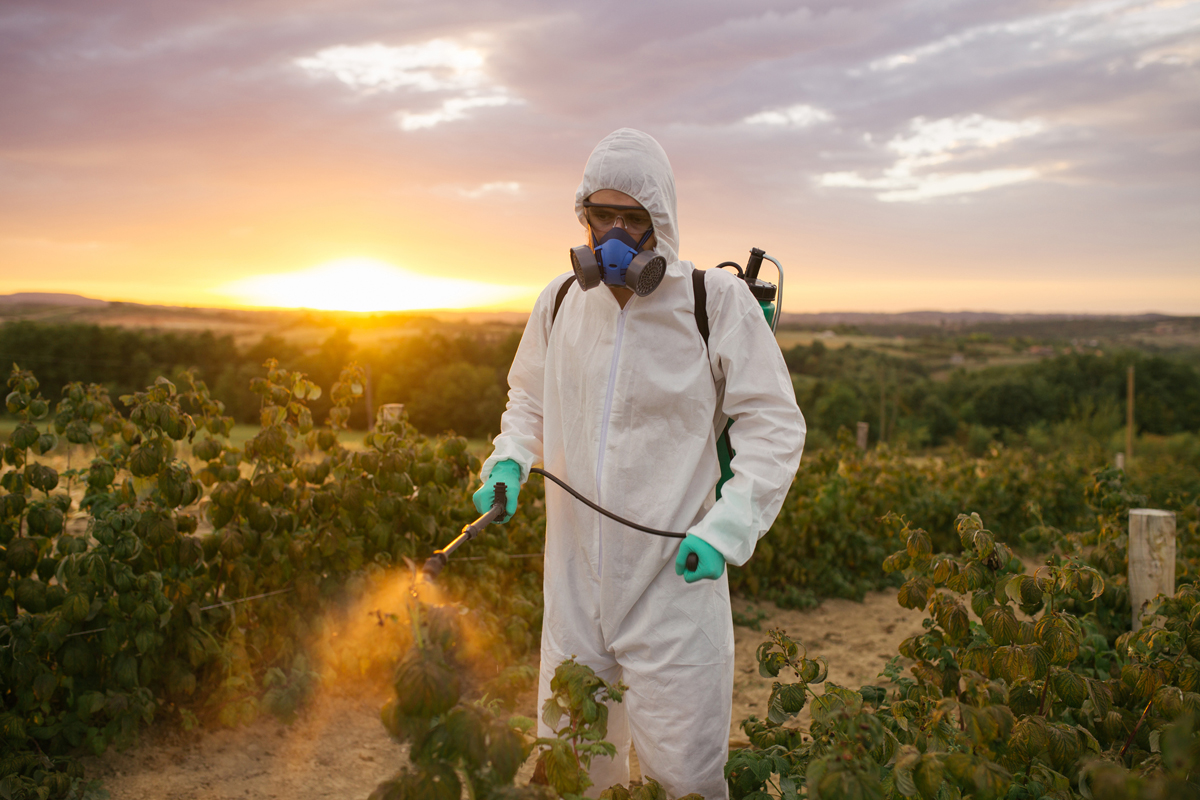
As concerns grow over the environmental and health risks posed by chemical pesticides, biopesticides are emerging as a more sustainable pest control option. Biopesticides are certain types of pesticides derived from such natural materials as animals, plants, bacteria, and certain minerals. With their novel modes of action against targeted pests and organisms, biopesticides offer reduced risks when properly used.
What are Biopesticides?
Biopesticides, sometimes called biological pesticides, fall into three major classes:
Microbial Pesticides
- Microbial pesticides contain a microorganism (such as a bacterium, fungus, virus or protozoan) as the active ingredient. Bacteria like Bacillus thuringiensis (Bt) produce proteins that are toxic only to certain insect pests and not to humans or other animals. Viral pesticides can also be used against insect, weed, and mollusk pests.
Plant-Incorporated Protectants (PIPs)
- PIPs are plants that have been bred to carry their own built-in protection against insects and disease. They incorporate genetic material from Bacillus thuringiensis (Bt), which produces a protein that kills caterpillars and other pests without harming beneficial or non-target organisms. Corn and cotton are examples of crop plants that have been developed with one or more genes from Bt.
Biochemical Pesticides
- Biochemical pesticides are naturally occurring substances that control pests by non-toxic mechanisms. For example, pheromones interfere with mating of insects. Certain extracts from plants, like garlic and hot peppers, also show potential.
Advantages of Biopesticides
Biopesticides offer several advantages over conventional chemical pesticides:
- More Target-Specific: They typically pose less risk to the environment because they often only affect the target pest and closely related organisms. Bt proteins, for example, are deadly only to larvae of insects closely related to the species from which they were isolated.
- Less Toxic to Non-Target Organisms: They usually break down quickly and leave little or no residue, resulting in less potential for environmental contamination. Biochemical pesticides like pheromones are the least toxic.
- Lower Mammalian Toxicity: Most biopesticides are exempt from tolerances or have an established tolerance of "zero," meaning residue of the active ingredient should not remain in or on food or animal feed by the time of harvest. Microbial biopesticides tend to pose the lowest risks to mammals and other non-target organisms.
- Reduced Impact on Beneficial Insects: Unlike many synthetic chemicals that are broad-spectrum, biopesticides are less likely to devastate entire populations of beneficial species like predators and parasites. This preservation of natural enemies helps limit resurgence of target pests and outbreaks of secondary pests.
- Biodegradable: They typically break down quickly in the environment into simple, non-toxic components. Residues do not accumulate in the environment or in tissues of plants and animals. This provides benefits to growers, consumers, and the environment.
Potential Applications of Biopesticides
Biopesticides currently have applications across many crop and non-crop areas:
Crop Protection
- Bt strains are widely used against lepidopteran and coleopteran pests in fields and greenhouses. Other microbial agents target nematodes, mites, and aphids.
- Fungal biopesticides can control many weeds. Mycoherbicides containing plant pathogens offer alternatives to chemical herbicides.
- Biochemicals like pheromones are deployed for mating disruption in various insect pests.
Disease Control
- Microbial inoculants support plant health and diminish severity of fungal, bacterial, and viral diseases. Beneficial strains of Trichoderma, Bacillus, Pseudomonas, and Streptomyces suppress plant pathogens in soil, on foliage, and in seeds.
Livestock and Pets
- Bacteria, fungi, and nematodes aid in control of farm/stable pests like flies and grubs. Entomopathogenic fungi are marketed for fire ants and cockroaches. Probiotic formulations enhance animal/pet immunity.
Structural/Urban Pest Management
- Certain microbials and biochemicals are registered for interior/exterior IPM against ants, cockroaches, silverfish, spiders, mosquitoes, flies, and more. Targeted solutions aid in insect resistance management.
Future Potential
As research continues, more uses for various biopesticides will likely emerge. RNAi crop protection technology shows promise against insect and nematode pests. Microbial communities may yield new options for controlling weeds, fungal diseases, and other agricultural challenges. Biotechnology and product formulations will further enhance efficacy and ease of use. When combined prudently with other practices, biopesticides represent a growing part of sustainable, 21st century pest control solutions.
Explore more information on this topic, Please visit -
https://www.newswirestats.com/biopesticides-market-share-and-demand-analysis/
Explore more trending article related this topic -
https://www.pressreleasebulletin.com/refurbished-electronics-market-trends-size-and-share-analysis/