Artificial Intelligence in Automotive: Autonomous Trucking and the Future of Logistics

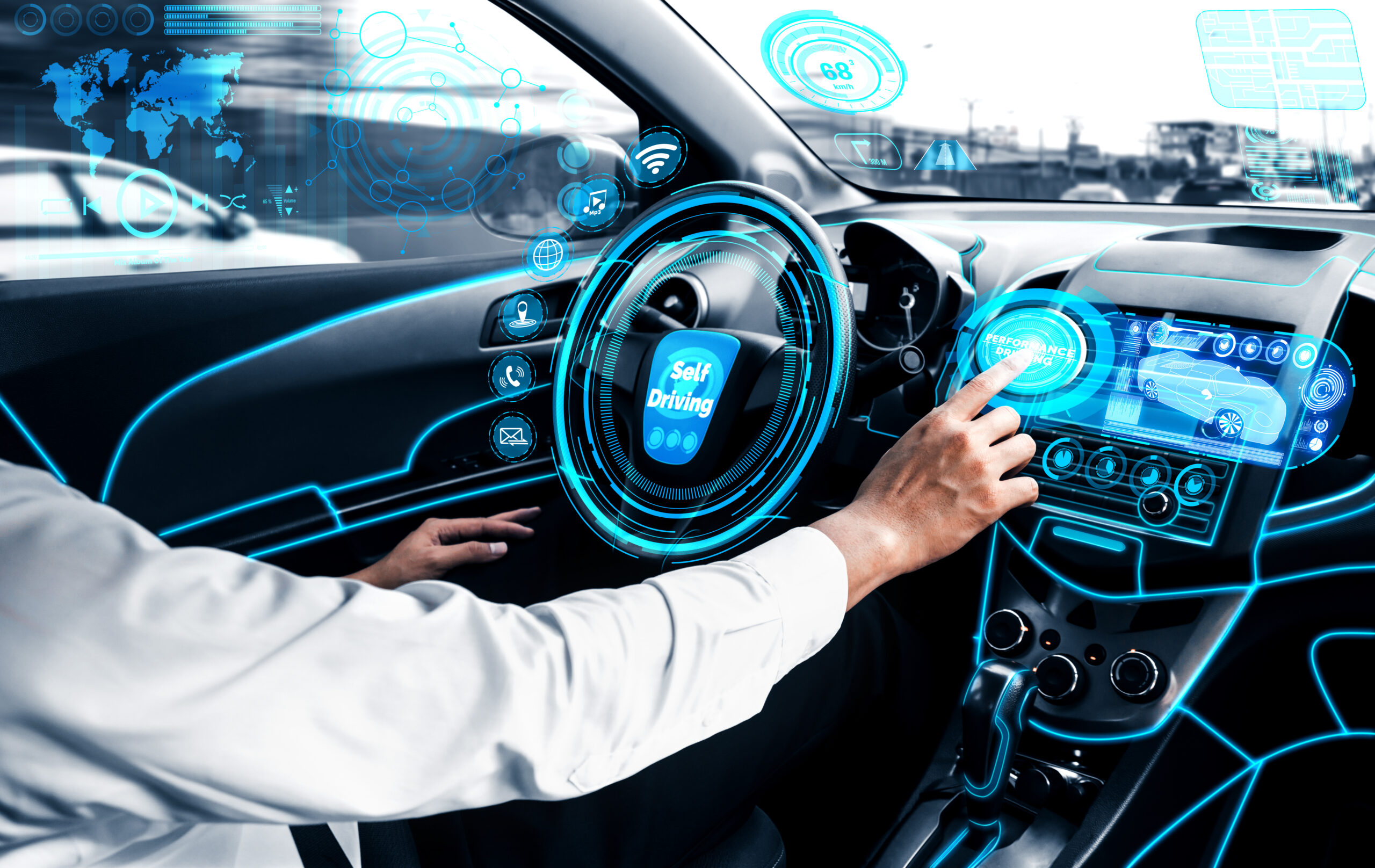
Artificial Intelligence (AI) is spearheading a revolutionary transformation in the automotive industry, particularly in the realm of autonomous trucking and logistics. Self-driving trucks equipped with AI technologies have the potential to disrupt traditional freight transportation, offering a more efficient and cost-effective solution for the movement of goods.
Autonomous trucks leverage AI algorithms, computer vision, lidar, and advanced sensors to navigate roads, detect obstacles, and make real-time decisions. By eliminating the need for human drivers, autonomous trucking promises increased safety, reduced accidents, and optimized fuel efficiency. Moreover, AI-powered fleet management systems enable seamless coordination, routing, and load optimization, resulting in improved supply chain logistics and reduced delivery times.
The Artificial Intelligence in Automotive Market is highly competitive, with established automakers and technology companies vying for market share. As AI continues to evolve, collaborations and partnerships between automotive manufacturers and AI technology providers are becoming more common to leverage expertise and resources effectively.
The adoption of autonomous trucking is not without challenges. Regulatory frameworks, safety concerns, and public acceptance are critical factors that need to be addressed before widespread implementation. However, significant strides are being made through rigorous testing and collaborations between technology companies and the trucking industry.
In the near future, we can expect to witness the integration of Artificial Intelligence in Automotive trucking with existing logistics systems, transforming the way goods are transported across regions and countries. The potential benefits of reduced labor costs, enhanced road safety, and increased efficiency are driving stakeholders to invest heavily in the development and deployment of AI-driven autonomous trucking solutions, paving the way for the future of logistics.