Antimicrobial Susceptibility Testing Market and the Role of Artificial Intelligence

Artificial Intelligence (AI) is playing an increasingly crucial role in transforming the antimicrobial susceptibility testing (AST) market. The integration of AI technologies has opened new avenues for enhancing the accuracy, efficiency, and speed of antimicrobial resistance detection and interpretation.
In the context of AST, AI is employed in various stages of the testing process. Machine learning algorithms analyze vast amounts of data from antimicrobial susceptibility assays, clinical records, and genomic sequences to identify patterns and predict resistance profiles. By learning from historical data, AI algorithms continuously improve their performance and ability to anticipate emerging resistance patterns.
One of the significant contributions of AI in the antimicrobial susceptibility testing market is the development of predictive models for antibiotic resistance. These models help clinicians make informed treatment decisions by forecasting the most likely resistance profile of a pathogen based on its genetic makeup and other relevant factors. Consequently, this aids in selecting the most appropriate antibiotics, reducing the risk of treatment failure and the spread of resistance.
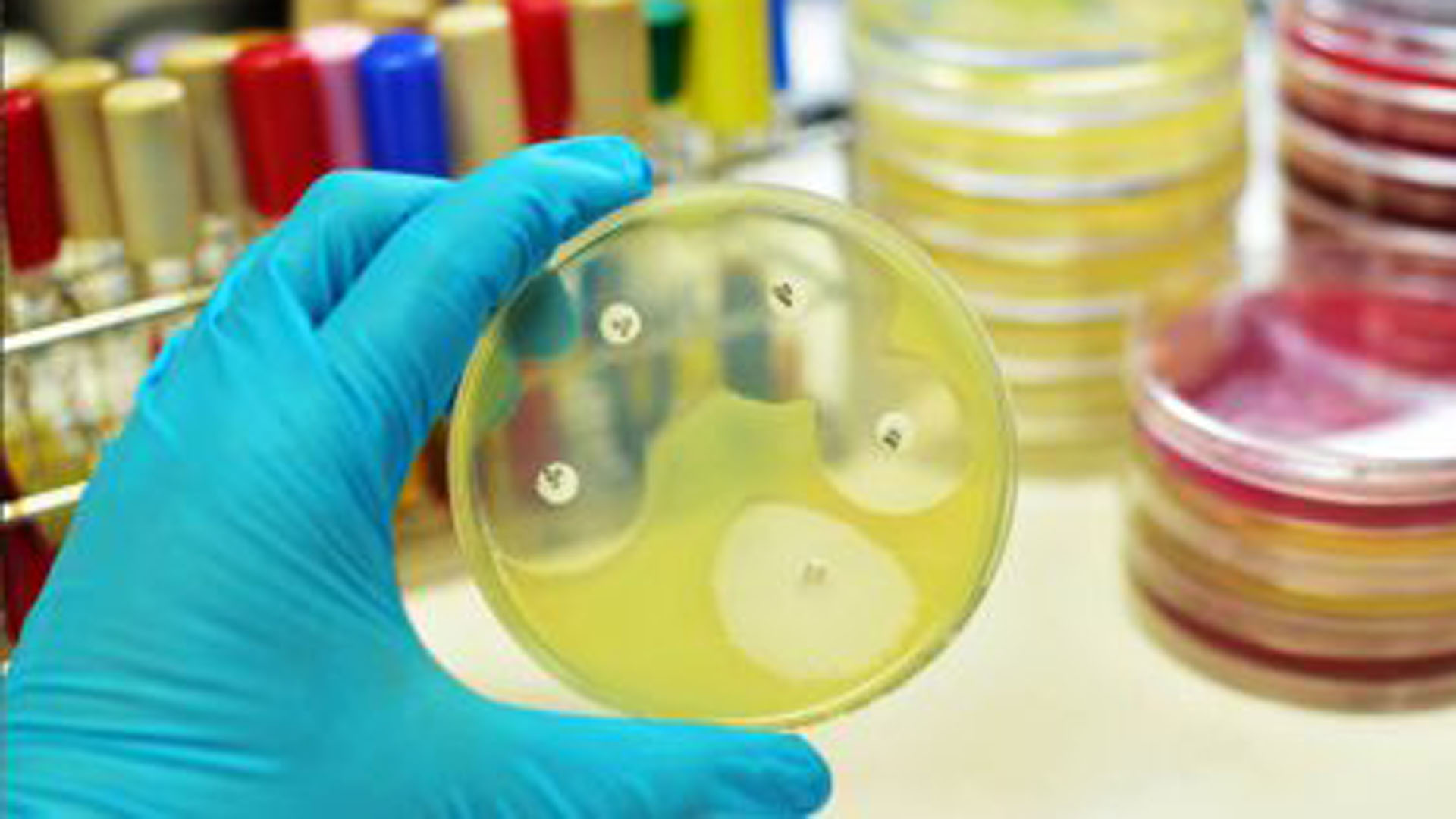
Moreover, AI-driven image recognition and analysis have been introduced to automate the interpretation of AST results. By accurately identifying bacterial growth patterns on culture plates, AI systems can significantly speed up the reporting process, enabling rapid diagnostics and prompt initiation of targeted therapies.
AI also plays a pivotal role in antimicrobial stewardship programs. By analyzing antibiotic prescription patterns and patient outcomes, AI systems can identify opportunities for optimizing antibiotic use, reducing unnecessary antibiotic prescriptions, and promoting the responsible use of antimicrobial agents.
While AI offers significant potential in the antimicrobial susceptibility testing market, challenges remain. Ensuring data privacy and security, addressing biases in training data, and integrating AI technologies into existing laboratory workflows are among the key considerations.
In conclusion, the integration of artificial intelligence in the antimicrobial susceptibility testing market is revolutionizing diagnostics and antimicrobial stewardship efforts. By harnessing the power of AI, healthcare providers can make more informed decisions, combat antimicrobial resistance more effectively, and improve patient outcomes.