Alfalfa Hay: The Nutrient-Packed Forage for Livestock Nutrition

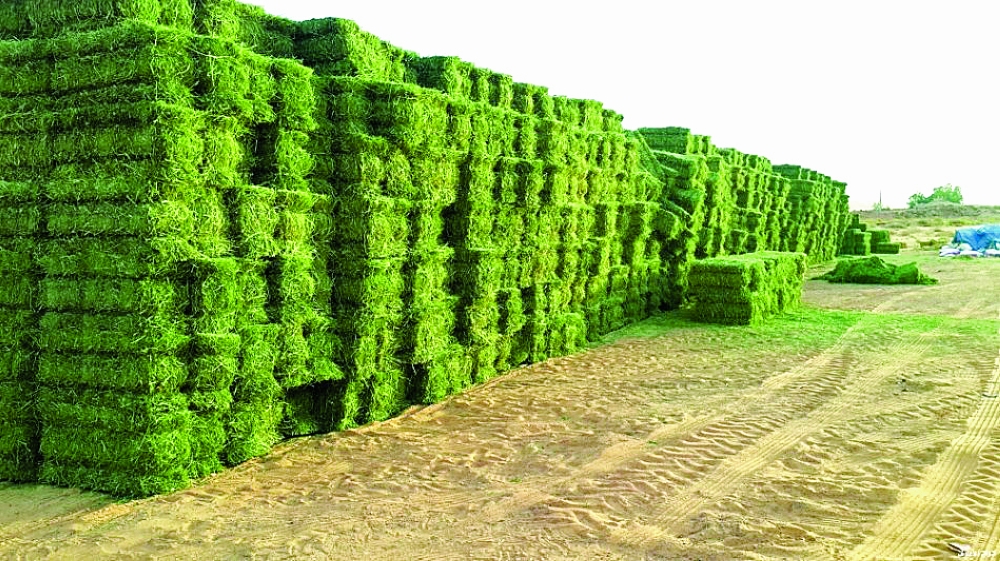
Alfalfa hay, often hailed as the "queen of forages," is a staple in livestock nutrition, offering a powerhouse of nutrients for animals ranging from cattle and horses to rabbits and guinea pigs. Its exceptional nutritional profile and versatility have made it a popular choice among farmers and ranchers worldwide. In this blog, we will explore the nutritional benefits of alfalfa hay, its role in livestock diets, and the sustainable farming practices that ensure its quality and abundance.
Rich in Essential Nutrients: Alfalfa hay is a nutrient-dense forage, packing a range of essential vitamins and minerals. It is a valuable source of protein, boasting higher levels compared to other forages such as grass hay. Protein is crucial for muscle development, milk production in lactating animals, and overall growth and maintenance. Additionally, alfalfa hay is rich in calcium, phosphorus, and vitamin A, promoting healthy bone development and supporting reproductive health in animals. The abundance of vitamins B, C, D, and E further contributes to the overall well-being and immune function of livestock.
According to Coherent Market Insights, The global Alfalfa Hay Market size was valued at USD 73 million in 2021 and is anticipated to witness a compound annual growth rate (CAGR) of 6.6 % from 2022 to 2030.
Balancing Rations for Livestock: In livestock nutrition, achieving balanced rations is essential to ensure optimal health and productivity. Alfalfa hay plays a pivotal role in balancing the diets of animals, especially those with higher nutritional requirements. For example, dairy cows require a diet rich in protein and calcium to support milk production. Alfalfa hay, with its high protein and calcium content, serves as an ideal component of their diet. Similarly, young and growing animals benefit from the energy, protein, and vitamins provided by alfalfa hay to support their rapid growth and development.
Promoting Digestive Health: The high fiber content of Alfalfa Hay is crucial for promoting healthy digestion in livestock. Fiber aids in maintaining proper rumen function in ruminant animals, such as cattle and sheep, facilitating efficient fermentation and nutrient absorption. For non-ruminant animals like rabbits and guinea pigs, the fiber in alfalfa hay supports proper gut motility and prevents gastrointestinal issues. The fibrous nature of alfalfa hay also encourages natural chewing behavior in animals, promoting dental health and reducing the risk of dental problems.
Sustainable Farming Practices for Alfalfa Production: Sustainability is a key consideration in modern agriculture, and alfalfa production is no exception. Sustainable farming practices in alfalfa cultivation involve efficient water management, crop rotation, and integrated pest management strategies. Implementing water-efficient irrigation techniques ensures minimal water wastage and protects local water resources. Crop rotation helps prevent soil depletion and the buildup of pests and diseases. Integrated pest management focuses on reducing the use of chemical pesticides, relying on natural predators, and alternative control methods to manage pests effectively.
Alfalfa hay remains a nutritional powerhouse in livestock nutrition, contributing to the well-being and productivity of a wide range of animals. Its high protein, calcium, and vitamin content make it an invaluable component of balanced rations for dairy cows, horses, rabbits, and other livestock. As farmers and ranchers continue to embrace sustainable farming practices, the production of alfalfa hay remains environmentally responsible, ensuring its availability for future generations. From its role in supporting healthy digestion to its contribution to sustainable agriculture, alfalfa hay continues to prove its worth as a vital forage in livestock nutrition.