AI's Global Impact on Omics Studies: Revolutionizing Science and Healthcare

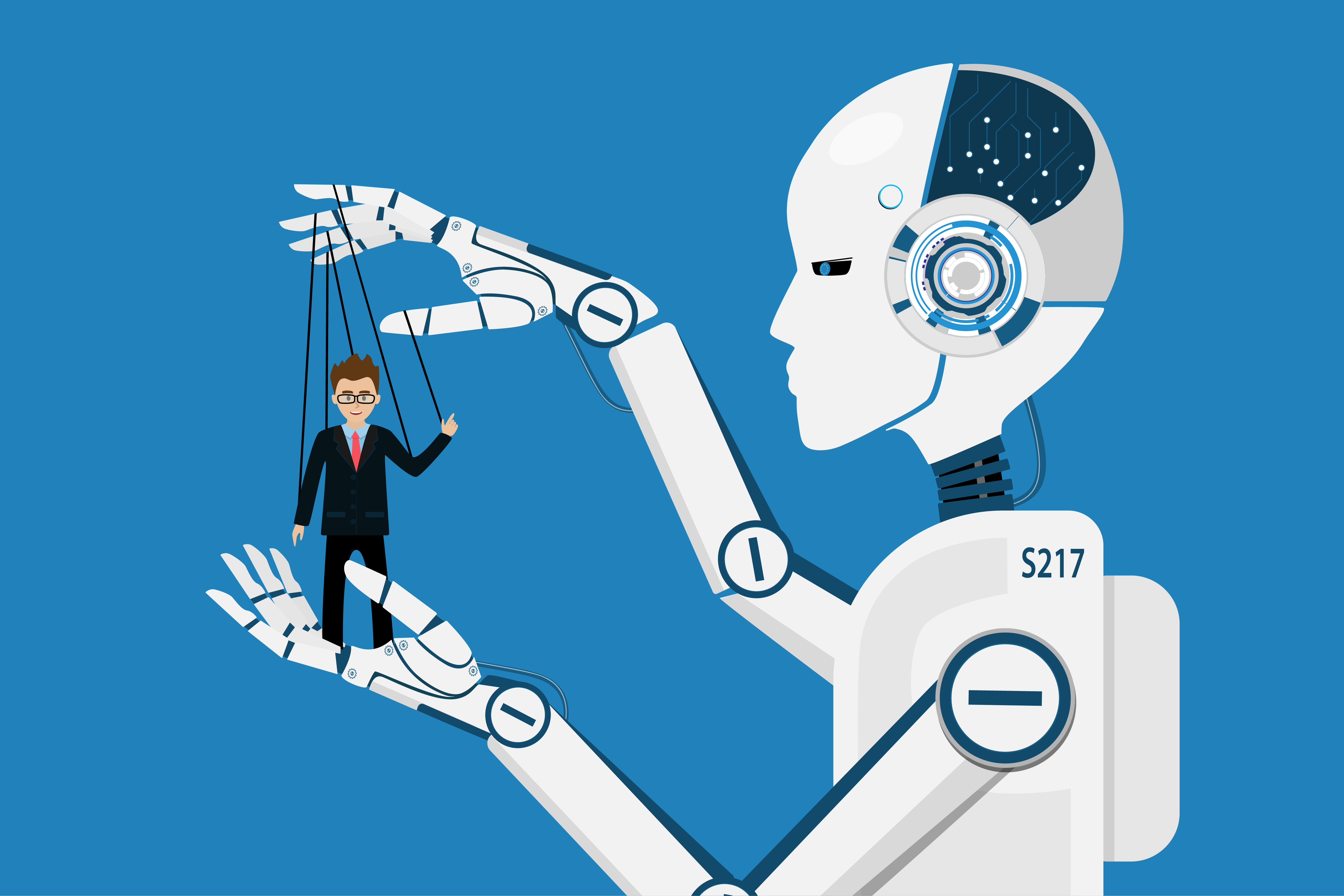
Artificial intelligence (AI) is disruptively transforming science and healthcare across the globe. One area that AI is making major strides is omics studies which include genomics, proteomics, transcriptomics and metabolomics. Through machine learning algorithms trained on massive omics datasets, AI is enabling new insights into human health and disease at an unprecedented scale and speed.
AI Unlocks Insights from Omics Data
With the ability to analyze huge volumes of complex omics data, AI is opening new doors for scientific discovery. Researchers around the world have amassed petabytes of genomic, proteomic and other omics data in public repositories. However, manually analyzing this data has proven difficult and slow. AI in Omics Studies provides a powerful solution by leveraging machine learning algorithms to identify meaningful patterns and relationships within omics datasets. For example, deep learning models have been trained on datasets containing whole genome sequences and associated traits or diseases to discover genes influencing conditions like cancer, diabetes and more. Such AI-driven insights are fueling precision medicine approaches tailored to individual genetics and biomarkers.
Global Collaboration Drives Omics AI Advancement
As omics datasets and computing power expand globally, international collaboration has become key to advancing AI for healthcare. Major initiatives like the Global Alliance for Genomics and Health are developing shared standards and platforms to integrate genomic and clinical data internationally. This fuels omics AI by providing larger, more diverse training datasets. For instance, a project between US and UK researchers applied AI to genomic data from over 700,000 individuals to discover 157 new genetic links to diseases. Global partnerships are also tackling challenges like making omics AI more generalizable across populations with different genetic ancestries. Overall, international teamwork is vital to realizing omics AI's full potential to benefit populations worldwide.
Asia Emerging as an Omics AI Leader
While North America and Europe have led many early omics AI innovations, Asia is emerging as a new frontier. Countries like China, South Korea and Japan are investing heavily in large-scale genomic and healthcare databases, alongside high-performance computing infrastructure well-suited for advanced AI approaches. For example, China has collected genomic data and family histories from over 10 million people to fuel AI applications in precision medicine. South Korea has established biobanks linking multi-omics data with population-level electronic health records. Such resources provide rich training grounds for AI and are enabling Asian researchers to contribute uniquely to the omics sciences. With continued rapid development, Asia promises to play an increasingly prominent global role in advancing AI to transform healthcare through omics insights.
AI Regulatory Challenges Vary Globally
While AI holds incredible promise for omics research, its responsible use also presents regulatory challenges that differ worldwide. For instance, European data protection laws are among the strictest globally to safeguard individuals' privacy and autonomy over personal genomic data used in AI systems. In contrast, China and the US have taken comparatively flexible approaches to allow faster AI progress but with risks of insufficient oversight. Additionally, certain cultural and ethical norms vary substantially in different regions worldwide. Ensuring omics AI is developed and applied responsibly across diverse global populations requires international cooperation and balanced regulatory frameworks that respect both open innovation and human subjects’ wellbeing. As this nascent field progresses, harmonizing regulations will be paramount.
AI is revolutionizing omics sciences on a global scale by helping researchers derive unprecedented insights from massive genomic, proteomic and other biological datasets. While still in early stages, examples demonstrate AI is already accelerating discoveries with applications for precision medicine worldwide. International collaboration will be pivotal going forward, as will responsible regulatory policies that protect privacy and ethics as AI increasingly transforms omics research and healthcare delivery internationally. With continued advances, AI has immense potential to drive scientific progress and improvements in human health on a global scale through multi-omics analyses.
Get more insights on AI in Omics Studies