Air Conditioning Systems Choosing the Right One for Your Needs

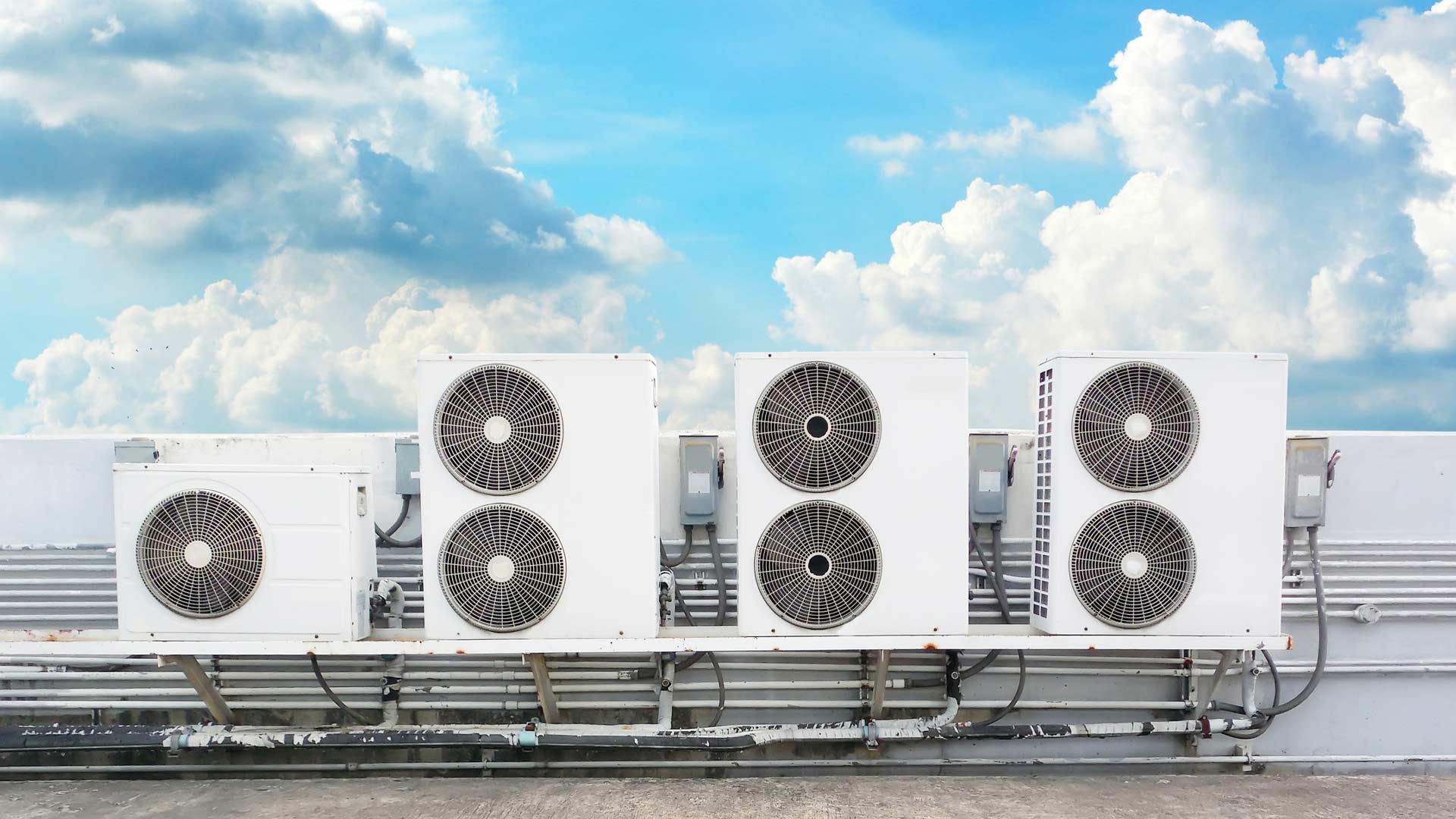
Types of Air Conditioning Systems
There are mainly four types of air conditioning systems used worldwide based on their operating mechanism and applications:
Window Units
Window air conditioning units are the most basic and affordable option for homes. They are self-contained units that are installed directly in a window frame. Window units are best suited for small spaces like bedrooms as their cooling capacities typically range between 5,000-15,000 BTU. Advantages include easy DIY installation and portability. However, window units are also noisy, not very energy efficient and can leak air.
Split Systems
Split air conditioners comprise of an outdoor compressor unit and an indoor air handling unit connected by refrigerant piping. They offer higher cooling capacities of 15,000-60,000 BTU, suitable for medium to large homes. Split systems are more energy efficient than window units due to modern inverter compressor technology. They also take up less indoor space. However, professional installation is required which increases the upfront cost.
Ducted Central Systems
Central air conditioning systems involve ducting cool air throughout the entire home via an interconnected network of vents, grilles and registers. Tonnage capacities range from 1-5 tons. Central AC provides even cooling and the ability to zone different areas. Maintenance is also easier compared to window/split units. However, ductwork requirements make these systems expensive to install, especially in existing homes.
Mini-Split or Multi-Split Systems
Mini-split Air Conditioning Systems units comprise of an outdoor compressor and multiple indoor cassettes/wall-mounts connected through a single piping network. They offer zoning control, high energy efficiency and flexible installation options. Mini-splits are a popular choice for renovations, additions and non-ductable spaces. However, system costs are higher than conventional split units due to multiple indoor components.
Factors to Consider When Choosing an Air Conditioning System
After understanding the different types, the key factors to evaluate include:
Indoor Space Size - Small rooms suit window/portable units while larger areas require central or multi-split systems.
Cooling Capacity - The BTU rating should match the space size, insulation, local climate and number of occupants/equipment.
Efficiency - SEER rating indicates annual energy cost savings. Higher is better for reducing bills and environmental impact.
Installation Costs - Consider initial investment, accessories needed and labor charges for ductwork/pipework.
Maintenance Needs - Easily accessible filter and component locations ease upkeep chores.
Air Distribution - Central AC provides even cooling via ducts but not all homes support ductwork.
Controls/Smart Features - WiFi connectivity, scheduling, auto-diagnostics add value and convenience.
Budget - overall within budget after weighing performance vs cost tradeoffs of different options.
Heating Needs - Systems that provide heating and cooling year-round offer enhanced functionality.
Choosing an AC System Based On Application
Let's now look at suitable air conditioning choices considering different scenarios:
For a Small Studio Apartment - A portable AC or window unit suffices given the compact footprint.
In a 2-3 Bedroom Home - Compressor A split AC system utilizing modern inverter compressor technology performs well balancing cost and capacities.
Large 4+ Bedroom House - Central ducted AC provides even zones of comfortable cooling throughout.
For a Basement/Attic Conversion - Flexible mini-split heat pumps neatly resolve ductwork limitations.
Renovating an Old Home - Multi-head ductless systems allow installing indoor cassettes without wall demolition.
Commercial Office Space - Large VRF (Variable Refrigerant Flow) systems maintain precise thermal comfort centrally.
Having an irrigation farm - Central AC with remote evaporative cooling towers handle extreme outdoor heat loads.
Proper Maintenance Extends Air Conditioner Lifespan
Regardless of the type chosen, maintenance greatly impacts how long an AC operates efficiently and reliably. Ensure filters are cleaned/replaced monthly, condenser coils are kept debris-free, and professional servicing is conducted annually before peak seasons. Following manufacturer guidelines, utilizing Eco/Quiet modes, and switching off when not needed helps air conditioners deliver optimum performance and savings for many years.
Get more insights on Air Conditioning Systems