Acetic Acid: An Essential Chemical in Everyday Life

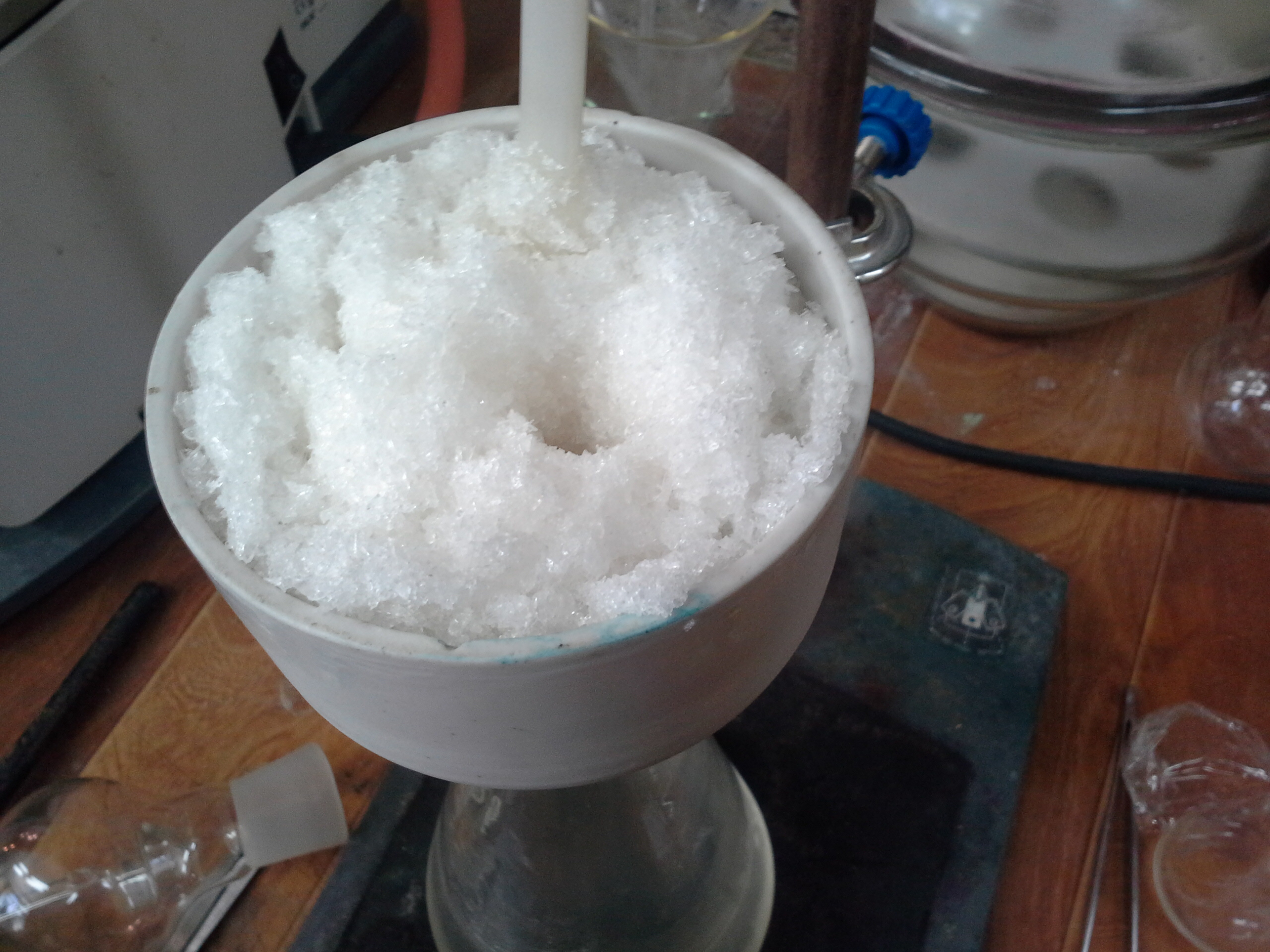
Acetic acid, also known as ethanoic acid or vinegar acid, is a colorless liquid organic compound with the chemical formula CH3COOH. It is one of the most abundantly produced chemicals globally, with annual production exceeding 5 million tonnes. Acetic acid has a distinctive sour taste and pungent smell characteristic of vinegar. While it may seem like an uncommon chemical, acetic acid is involved in many products and processes that we encounter every day. This article explores the various uses of acetic acid across different industries and how it impacts our daily lives.
Uses in Food and Flavoring
The most familiar use of acetic acid is in vinegar, where it gives the sour taste. Vinegar is produced through the fermentation of ethanol by acetic acid bacteria. Besides being a popular salad dressing and cooking ingredient, vinegar is also used as a natural preservative and flavoring in many processed foods. Acetic acid helps prevent bacterial growth and allows longer shelf life without refrigeration. Pickles, sauces, and preserves all use vinegar as the main preservative. Acetic acid is also preferred by food companies due to its lower cost compared to synthetic preservatives. Apart from vinegar, small amounts of acetic acid are added to canned foods, potato chips, candies, and carbonated beverages to impart a tangy flavor. The regulated addition of acetic acid in processed foods prevents over-acidity and contributes significantly to their taste.
Textiles and Chemical Industries
Acetic Acid finds wide application in textile processing and chemical manufacturing. It is commonly used for dyeing, printing, and finishing of natural fibers like cotton, wool, and silk. In the production process, acetic acid assists in enhancing color fastness and creating specialty finishes on fabric. Several chemical intermediates are also synthesized from the esterification reaction between acetic acid and alcohols. These acetic acid esters are then used to manufacture paints, coatings, plasticizers, and pharmaceuticals. Cellulose acetate, one of the most important commodity polymers, is prepared by treating cellulose with acetic anhydride derived from acetic acid. The vinyl acetate monomer acts as a precursor for synthesizing polyvinyl acetate and other polymers. Hence, acetic acid occupies an important place in the chemical supply chain due to its non-toxic, inexpensive, and versatile nature.
Environmental and Agricultural Role
In the agricultural sector, acetic acid serves as a nutrient for beneficial microorganisms in the soil and helps maintain optimal pH balance. Vinegar sprays containing 3-10% acetic acid are utilized for pest control on plants due to its ability to kill insects, mites, and eggs upon contact. This environment-friendly method eliminates the need for harsh chemical pesticides. Acetic acid is also used for pickling of fruits, which induces fermentation and assists in their long-term storage. Its antibacterial property prevents rotting. On an industrial scale, anaerobic fermentation of municipal waste and biomass by acetic acid bacteria results in the production of biogas containing 60% methane that can be used as renewable fuel. This is an eco-friendly technique for energy generation while managing waste organics.
Personal Care Products
Low concentrations of acetic acid are present in several personal care items for their antimicrobial effects. Traces added to shampoos, soaps, and body washes help control bacteria, fungus, and odor. Face masks and toners containing acetic acid in the range of 2-5% work to exfoliate dead cells, tighten pores, and reduce acne-causing bacteria on the skin. In nail care, vinegar or acetic acid solution is applied under nails as a natural disinfectant and removes stains. The astringency causes proteins in nails to contract, making them look smoother and cleaner. Acetic acid is thus incorporated judiciously in personal hygiene products for its deodorizing and skin conditioning properties.
From preserving foods to maintaining freshness in cosmetics, acetic acid touches almost every aspect of our lives, often without our notice. Its versatile functions stem from the weak acidity combined with antimicrobial traits. While acetic acid is produced commercially through acetaldehyde oxidation or methanol carbonylation, fermentation from bio-sources is gaining favor due to sustainability. With growing attention on natural ingredients, the demand for vinegar and acetic acid infusions in food, agriculture and household items is poised to rise further. Continued innovation around this simple molecule will surely result in more novel applications to improve our health, environment and overall quality of life.
Get more insights on Acetic Acid
Also read related article on Hereditary Angioedema Market