Geotextile Innovations: Paving the Way for Sustainable Infrastructure

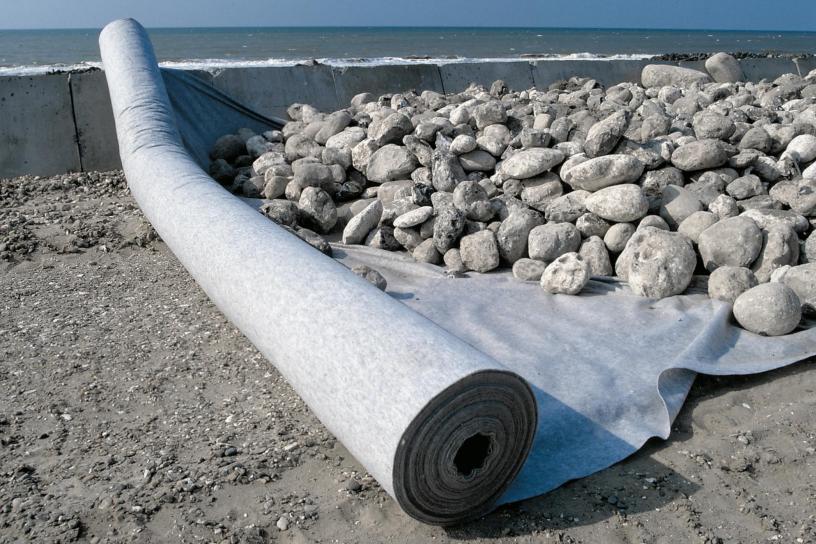
Geotextile, an indispensable geosynthetic material, is at the forefront of sustainable infrastructure development. In recent years, innovative geotextile solutions have emerged, transforming traditional construction practices and ushering in a new era of eco-conscious engineering. In this blog, we will explore some of the groundbreaking geotextile innovations that are paving the way for more sustainable and resilient infrastructure projects worldwide.
Geotextile Reinforcement for Green Walls: Green walls, also known as living walls or vertical gardens, have gained popularity as a sustainable and aesthetically pleasing solution to urban environmental challenges. Geotextile plays a vital role in green walls, serving as a supportive medium for vegetation to thrive. In this application, geotextile acts as a geocomposite, providing essential drainage, filtration, and root support for the growing plants. The innovative combination of geotextile with vegetation creates a self-sustaining ecosystem that improves air quality, reduces the urban heat island effect, and enhances the overall aesthetics of buildings and public spaces.
According to Coherent Market Insights, Asia Pacific is one of the major contributors in the global Geotextiles Market globally. Rapidly flourishing urbanization has led to the increase in the requirement of new roads and modern infrastructure.
Geotextile-Integrated Rainwater Management Systems: Stormwater management is a critical aspect of sustainable infrastructure planning. Geotextile innovations have led to the development of integrated rainwater management systems that leverage the material's permeability and filtration properties. Geotextile is used as a key component in stormwater management structures, such as permeable pavements, rain gardens, and bio-retention basins. These systems allow rainwater to be effectively collected, filtered, and infiltrated back into the ground, reducing runoff and minimizing the burden on traditional stormwater drainage systems. By mitigating the impact of urban runoff, geotextile-integrated rainwater management systems promote sustainable water conservation and support ecosystem health.
Geotextile-Reinforced Earth Structures: Geotextile has revolutionized earth retention systems, leading to the development of geotextile-reinforced earth structures (GRES). In GRES, geotextile is combined with soil to create mechanically stabilized earth walls, slopes, and embankments. The geotextile acts as a reinforcement element, increasing the overall stability and load-bearing capacity of the structure. GRES offers a cost-effective and eco-friendly alternative to traditional concrete retaining walls, providing a greener solution for earth retention and slope stabilization projects. The versatility of GRES makes it suitable for a wide range of applications, including bridge abutments, highway embankments, and coastal erosion control.
Sustainable Geotextile Materials: In response to the growing demand for sustainable construction materials, manufacturers have been developing eco-friendly geotextile options. Recycled materials, such as post-consumer plastics and industrial waste, are now being used to create geotextiles with similar performance characteristics to traditional ones. These sustainable geotextiles contribute to waste reduction, promote circular economy principles, and align with green building certifications. The adoption of sustainable geotextile materials reflects the industry's commitment to environmental stewardship and responsible resource management.
Innovative geotextile solutions are driving sustainable infrastructure development, redefining traditional engineering practices, and fostering a greener future. From supporting green walls and enabling rainwater management to reinforcing earth structures and promoting sustainable material choices, geotextile innovations are pushing the boundaries of what's possible in modern construction. As environmental concerns continue to shape the infrastructure landscape, geotextile will remain a critical enabler of sustainable and resilient projects, contributing to a more ecologically balanced and resilient built environment.