Innovations in Seismic Survey Technology for Resource Exploration

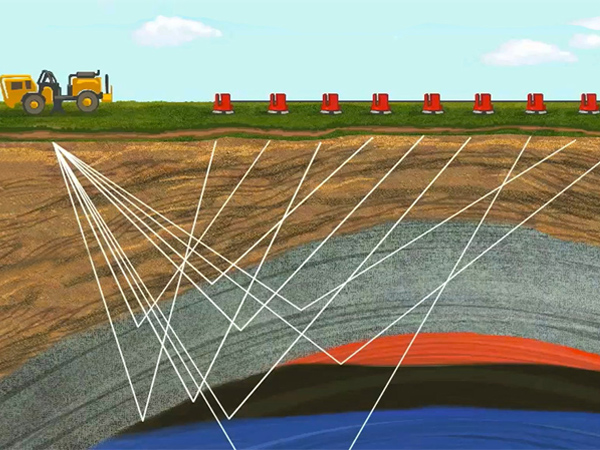
Seismic surveys are integral to various sectors, especially energy exploration, environmental studies, and infrastructure development. These surveys involve the propagation and measurement of seismic waves through the Earth’s subsurface to map geological formations and detect resources like oil, gas, and minerals. Understanding how seismic surveys operate, the technology behind them, and their role in modern industry advances is crucial for professionals navigating the geophysical and exploration s.
Innovative Seismic Survey Methods Enhancing Subsurface Mapping Accuracy
Seismic Survey methods primarily include reflection and refraction techniques, each offering unique benefits depending on the geological context. Reflection seismic surveys generate seismic waves that bounce off subsurface layers and return to the surface, where receivers record the signal. This method is highly effective for detailed imaging of sedimentary layers, making it the preferred choice for hydrocarbon exploration. Conversely, refraction surveys analyze seismic waves bending as they pass through different materials, useful for assessing bedrock and fault lines in engineering projects. Recent innovations involve three-dimensional (3D) and four-dimensional (4D) seismic surveys, which provide real-time dynamic analysis by monitoring temporal changes in reservoirs. These advanced techniques enable companies to optimize drilling decisions, reduce exploration risks, and increase reservoir recovery rates.
Impact of Seismic Survey Technology on Global Oil and Gas Exploration
The integration of seismic surveys in oil and gas exploration has revolutionized exploration strategies and improved hydrocarbon yield predictions. Accurate seismic data helps identify potential drilling locations while minimizing dry well occurrences, which can be costly and environmentally harmful. In offshore and onshore fields, advanced seismic imaging allows geoscientists to create detailed subsurface models, reducing uncertainty and enhancing reservoir characterization. Additionally, seismic surveys contribute to risk management by detecting faults, fractures, and other geohazards that could affect drilling safety and production efficiency. The widespread adoption of seismic survey technology underscores its pivotal role in meeting global energy demand while ensuring sustainable resource extraction practices.
Role of Seismic Survey Data in Environmental and Infrastructure Projects
Beyond energy, seismic surveys provide critical data for environmental assessments and infrastructure development. Geotechnical engineers utilize seismic data to evaluate ground stability before constructing buildings, bridges, or tunnels, preventing costly structural failures. Environmental scientists also leverage seismic surveys to monitor earthquake zones, landslides, and other geological hazards, aiding in disaster preparedness and mitigation efforts. Moreover, seismic monitoring helps in assessing groundwater reservoirs and detecting contaminated sites. The comprehensive insights afforded by seismic data facilitate informed decision-making across diverse fields, ensuring the safety and sustainability of construction and environmental management projects.
Commercial Applications and Investment Landscape in Seismic Survey Industry
The seismic survey industry presents numerous commercial opportunities across upstream and downstream sectors. Exploration companies invest heavily in seismic technology to enhance resource discovery and production optimization. Service providers specializing in seismic data acquisition, processing, and interpretation witness escalating demand as oil, gas, and mining firms prioritize precision in exploration activities. Moreover, government agencies and environmental consultancies rely on seismic surveys for regulatory compliance and public safety programs, expanding the commercial footprint of the industry. Investment trends highlight an increasing allocation of capital toward cutting-edge seismic equipment, software solutions, and skilled geoscientist talents to maintain competitive edges. The robust for seismic surveys reflects its crucial role in facilitating resource development and environmental stewardship worldwide.
Transactional Insights into Procurement of Seismic Survey Equipment and Services
The procurement process for seismic survey equipment and services involves intricate transactional dynamics influenced by technological innovation, cost efficiency, and project scale. Companies source advanced seismic sensors, data acquisition units, and processing software from specialized vendors, often negotiating long-term contracts to secure scalability and technical support. Offshore seismic surveys, given their complexity, require customized vessels and marine equipment, representing significant capital expenditure. Service contracts may encompass full project lifecycle management, including survey design, data interpretation, and reporting. Understanding transactional nuances such as vendor credibility, compliance with environmental regulations, and integration with existing exploration infrastructure is essential for stakeholders aiming to maximize return on investment and operational precision in seismic survey deployments.
Seismic surveys continue to evolve as a cornerstone technology underpinning resource exploration, environmental safety, and infrastructure integrity. Through innovative methods, impactful data applications, strategic navigation, and dynamic commercial activities, seismic surveying remains essential for industry leaders seeking to unlock the Earth’s subsurface potential while balancing economic and ecological considerations.
Get This Report in Japanese Language -地震調査
Get This Report in Korean Language -지진 탐사
Read More Articles Related to this Industry –
Solar Energy: The Future of Clean Energy
Hydrogen Economy: An Eventual Solution For Our Energy And Environment Conservation
About Author:
Priya Pandey is a dynamic and passionate editor with over three years of expertise in content editing and proofreading. Holding a bachelor's degree in biotechnology, Priya has a knack for making the content engaging. Her diverse portfolio includes editing documents across different industries, including food and beverages, information and technology, healthcare, chemical and materials, etc. Priya's meticulous attention to detail and commitment to excellence make her an invaluable asset in the world of content creation and refinement.
(LinkedIn- https://www.linkedin.com/in/priya-pandey-8417a8173/)