Exploring the Growing Trends in Sustainable Aquaponics Farming Techniques Today

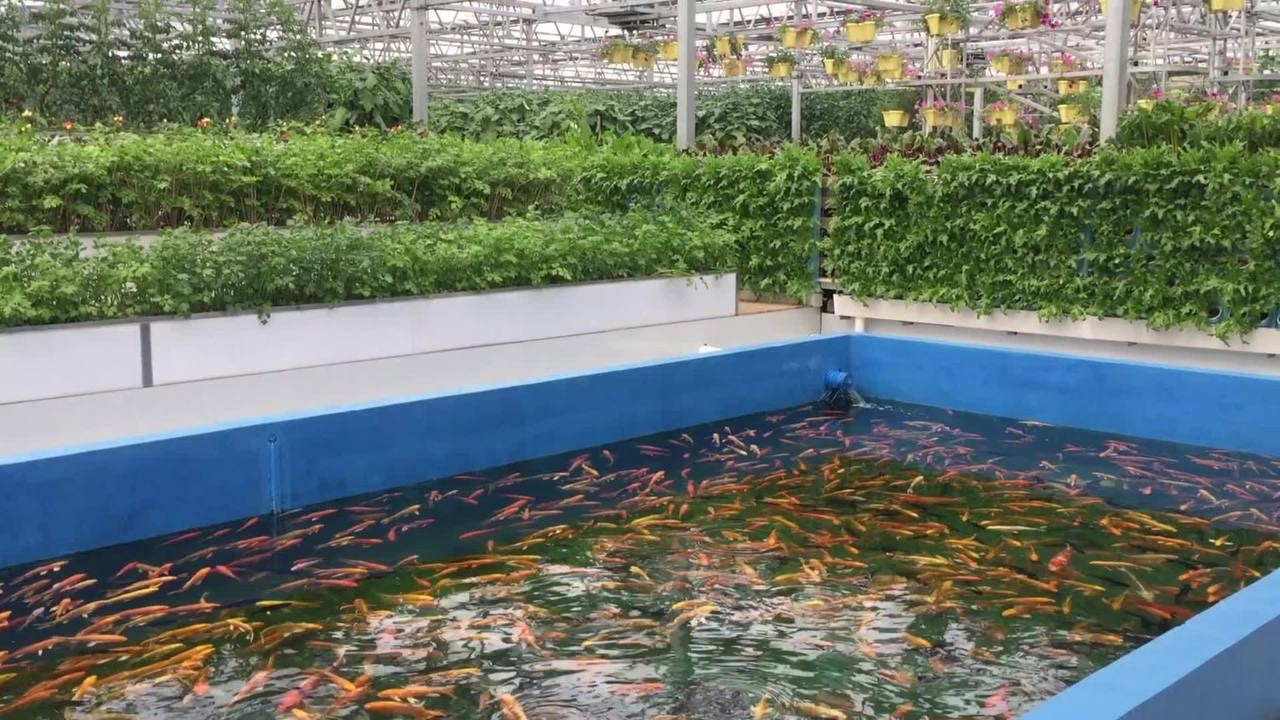
Aquaponics has emerged as a revolutionary approach to sustainable agriculture, combining aquaculture and hydroponics into a symbiotic environment. This integrated system cultivates both aquatic animals and plants in a mutually beneficial cycle, enabling efficient resource use and reduced environmental impact. As the world increasingly focuses on sustainable food production, aquaponics farming offers promising solutions to food security, urban farming, and water conservation challenges. This article delves into the essential aspects of aquaponics, highlighting latest trends, farming techniques, and dynamics shaping this innovative agricultural method.
Understanding the Aquaponics Farming System and Its Environmental Impact
Aquaponics systems leverage natural biological cycles where fish produce nutrient-rich waste, which is processed by beneficial bacteria into nutrients for plants. The plants, in return, filter and purify the water, which is recirculated back to the fish tanks. This closed-loop system drastically reduces water usage compared to traditional farming, often saving up to 90% of water. Aquaponics also eliminates the need for chemical fertilizers, minimizing soil degradation and promoting organic crop growth. Due to its low environmental footprint, aquaponics has gained traction in arid regions and urban settings where water and arable land are limited. Environmental conservation stakeholders and commercial growers alike are recognizing the system’s ability to produce high yields of vegetables and fish with significantly reduced natural resource inputs.
Key Factors Driving Growth in the Commercial Aquaponics Globally
The commercial aquaponics is witnessing rapid expansion fueled by increasing consumer demand for fresh, organic, and locally sourced food. Urbanization and diminishing farmland have propelled interest in controlled environment agriculture techniques such as aquaponics, especially in metropolitan areas. Moreover, technological advancements including automation, IoT integration, and innovative system designs are enhancing operational efficiency and scalability. Governments and private entities are promoting sustainable farming incentives, boosting investments in aquaponics ventures worldwide. These factors combined with heightened awareness of food safety and sustainability contribute to robust growth. Additionally, the integration of aquaponics with renewable energy sources is opening new opportunities for cost-effective and eco-friendly agriculture, strengthening its commercial appeal across diverse regions.
Latest Innovations and Technological Advancements in Aquaponics Systems
Technological innovation has transformed traditional aquaponics into highly efficient and commercially viable systems. Modern aquaponics employs sensors to monitor pH, nutrient concentration, and dissolved oxygen, allowing precise control over the aquatic environment and plant growth parameters. Automated feeding systems and water circulation units optimize fish health and plant nutrient availability. Advances in LED grow lighting enable year-round cultivation regardless of natural light availability, making indoor and vertical farming models feasible. The use of data analytics and AI in aquaponics is also gaining momentum, enabling predictive management for disease control and yield forecasting. These technological strides are reducing labor costs and increasing productivity, encouraging wider adoption of aquaponics by commercial farmers, research institutions, and urban agriculture projects.
Commercial Opportunities in Aquaponics Systems for Sustainable Agriculture Entrepreneurs
Aquaponics presents numerous commercial opportunities for entrepreneurs and agribusinesses by marrying sustainability with profitability. Small-scale aquaponic farms can cater to niche s such as organic produce, specialty fish species, and farm-to-table restaurants. Larger commercial operations benefit from year-round production capabilities and reduced dependency on volatile commodity prices. Diversification of product portfolios—including tilapia, catfish, herbs, leafy greens, and berries—enhances revenue streams and reach. Furthermore, turnkey aquaponics systems and consulting services are increasingly in demand, as new entrants seek expert guidance and infrastructure support. The food industry’s focus on traceability and eco-friendly sourcing also positions aquaponics-grown produce as a premium offering. By incorporating innovative business models and leveraging sustainability branding, entrepreneurs can capitalize on growing consumer preference for environmentally responsible agriculture.
Advancing Food Security through Aquaponics Innovations
Aquaponics is revolutionizing contemporary agriculture by offering a sustainable, efficient, and technologically advanced alternative to conventional farming methods. Its ability to conserve water, reduce chemical inputs, and produce high-quality fish and crops makes it a critical tool in global food security strategies. As innovations continue to enhance system performance and commercial viability, and as intelligence sheds light on emerging trends and investment opportunities, stakeholders are well-positioned to drive growth in this transformative sector. The integration of sustainability principles with business acumen in aquaponics farming is set to reshape the future of agriculture on a global scale.
Get This Report in Japanese Language - アクアポニックス
Get This Report in Korean Language -수경재배
Read More Articles Related to this Industry –
Sustainable Agrochemicals: Innovations for Eco-friendly Farming
Types of Agrochemicals and Their Role in Modern Farming
About Author:
Priya Pandey is a dynamic and passionate editor with over three years of expertise in content editing and proofreading. Holding a bachelor's degree in biotechnology, Priya has a knack for making the content engaging. Her diverse portfolio includes editing documents across different industries, including food and beverages, information and technology, healthcare, chemical and materials, etc. Priya's meticulous attention to detail and commitment to excellence make her an invaluable asset in the world of content creation and refinement.
(LinkedIn- https://www.linkedin.com/in/priya-pandey-8417a8173/)